
Implement Proven Strategies to Manage Cholesterol Effectively Across the UK
What is LDL Cholesterol and How Does it Affect Your Health?
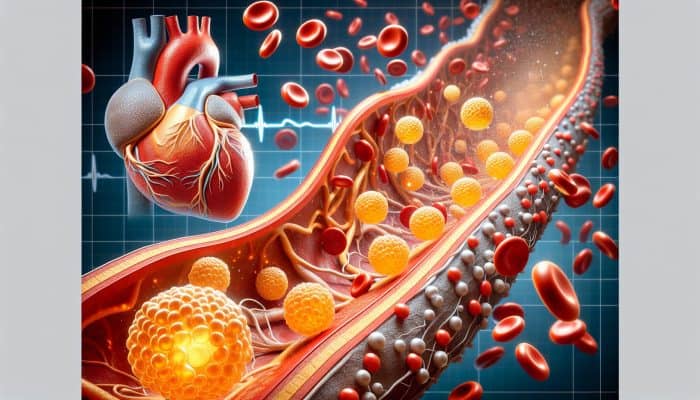
LDL cholesterol, often termed ‘bad cholesterol’, is a critical factor in assessing cardiovascular health. In the UK, medical professionals, including those from the NHS, warn that high levels of LDL can result in plaque formation in arteries, significantly heightening the risk of serious heart disease and related conditions. For adults, it is generally recommended to maintain LDL levels below three mmol/L. Understanding this vital threshold is crucial, as it enables individuals to evaluate their personal health risks and adopt effective preventive measures to protect their cardiovascular health.
To maintain healthy LDL cholesterol levels, individuals should embrace a comprehensive approach that incorporates both dietary changes and lifestyle adjustments. Here are several actionable strategies that can effectively aid in the management of LDL levels within the UK:
- Integrate more oily fish into your weekly diet, aiming for at least two servings to benefit from omega-3 fatty acids, which are advantageous for heart health.
- Opt for whole grains instead of refined carbohydrates to foster improved cardiovascular health and enhance overall cholesterol levels.
- Limit the consumption of saturated fats, commonly found in red meat and dairy products, as they can contribute to elevated LDL levels.
- Boost your intake of fruits and vegetables, aiming for a minimum of five portions daily to provide essential nutrients and dietary fibre.
- Choose low-fat or non-fat dairy products to lower saturated fat intake while still benefiting from the nutrients that dairy offers.
- Engage in regular physical activities, such as brisk walking or cycling, for a minimum of 150 minutes each week to enhance cardiovascular fitness and reduce LDL levels.
By consistently following these dietary recommendations and lifestyle modifications, individuals can significantly lower their LDL cholesterol levels, thereby reducing their risk of heart disease and improving overall cardiovascular health.
How Does HDL Cholesterol Contribute to Maintaining Heart Health?
HDL cholesterol, commonly referred to as ‘good cholesterol’, is essential for preserving cardiovascular health. Its primary role involves transporting excess cholesterol from the arteries back to the liver, where it is processed and eliminated from the body. This vital function not only diminishes the risk of atherosclerosis but also supports overall heart health. In the UK, health authorities recommend sustaining HDL levels above 1 mmol/L to lower the chances of heart disease and stroke.
Several lifestyle decisions can positively influence HDL levels, including dietary habits and physical activity. To enhance HDL, individuals should concentrate on incorporating particular foods and exercises into their daily routines. Foods rich in healthy fats, such as avocados, nuts, and olive oil, have demonstrated efficacy in raising HDL levels. Furthermore, engaging in regular cardiovascular exercises, such as running or swimming, can significantly boost HDL numbers.
Moderate alcohol consumption, particularly red wine, has been linked to elevated HDL levels. However, moderation is crucial, as excessive alcohol intake can lead to severe health complications. Avoiding harmful habits like smoking is equally necessary, as smoking can negatively impact HDL levels and overall cardiovascular wellness. By understanding HDL's roles and employing strategies to enhance it, individuals can implement proactive measures towards achieving a healthier heart.
What Are Triglycerides, and Where Do They Come From?
Triglycerides are a type of fat found in the bloodstream, playing a vital role in providing energy to the body. They are formed from dietary fats and are stored in fat cells for future energy use. However, when triglyceride levels exceed 1.7 mmol/L, they can lead to various health issues, including obesity and type 2 diabetes. Public health campaigns throughout the UK highlight the importance of maintaining appropriate triglyceride levels through healthy eating and lifestyle practices.
Common sources of triglycerides include carbohydrates, especially refined sugars and processed foods, which can elevate levels when consumed in excess. Foods like sugary snacks, white bread, and sweetened beverages significantly contribute to higher triglyceride levels. Conversely, including healthy alternatives such as fruits, vegetables, and whole grains can be effective in managing triglyceride levels. Increasing fibre intake can slow the absorption of sugar and fat into the bloodstream, thus aiding in the regulation of triglyceride levels.
Moreover, lifestyle factors, particularly physical activity, play a critical role in managing triglyceride levels. Regular exercise can reduce triglycerides by enhancing insulin sensitivity and boosting metabolism. Public health initiatives in the UK encourage the population to adopt a balanced diet rich in fruits and vegetables, alongside regular physical activity, to improve overall health and well-being while effectively managing triglyceride levels.
How Does LDL Cholesterol Affect Health Outcomes in the UK?

Exploring the Link Between LDL Cholesterol and Cardiovascular Diseases
The connection between LDL cholesterol and cardiovascular diseases is especially significant in the UK, where cardiovascular disease remains the leading cause of death. High LDL levels are known to facilitate the development of arterial plaques, resulting in a condition called atherosclerosis, which can lead to severe health issues such as heart attacks and strokes. Lifestyle factors prevalent in the UK, including smoking and high saturated fat intake, exacerbate this risk.
Recent studies indicate that lifestyle changes can effectively reduce LDL levels and, consequently, the risk of heart disease. Public health campaigns in the UK increasingly focus on informing the public about the dangers of elevated LDL levels and promoting routine cholesterol testing through GP services. Early detection and management of high LDL are crucial, as they allow for timely interventions, including lifestyle modifications and pharmacological treatments, essential for preventing heart disease progression.
Moreover, the NHS provides guidelines and resources for individuals seeking to lower their LDL levels through dietary changes, physical activity, and, if necessary, medication. By adopting healthier lifestyle choices, individuals not only decrease their LDL levels but also enhance their overall heart health, highlighting the importance of proactive measures for cardiovascular well-being.
What Factors Affect HDL Levels in the Body?
Various factors influence HDL cholesterol levels, which are crucial for cardiovascular health. In the UK, Public Health England emphasises the importance of lifestyle choices, particularly dietary habits and physical activity, in elevating HDL levels. Regular engagement in aerobic exercise is especially beneficial, as it raises HDL levels while concurrently lowering LDL levels, resulting in a more favourable lipid profile.
The diet also plays a vital role in regulating HDL levels. Consuming healthy fats from sources such as olive oil, fish, and nuts can help raise HDL cholesterol. In contrast, a diet rich in refined carbohydrates and unhealthy fats may lead to decreased HDL levels. This highlights the necessity for dietary education and the promotion of healthier eating habits, especially in areas with high heart disease rates.
Additionally, genetic factors can influence an individual’s HDL levels. Some individuals may naturally possess higher or lower HDL levels due to genetic predispositions. Understanding this aspect can assist individuals in tailoring their lifestyle choices effectively. Overall, recognising the factors that influence HDL levels empowers individuals to make informed decisions that can significantly enhance their cardiovascular health.
Dispelling Common Misunderstandings About Triglycerides

Many individuals in the UK mistakenly confuse triglycerides with cholesterol, which leads to misunderstandings about their significance and management. While both are lipids present in the bloodstream, they serve different functions and have distinct health implications. Elevated triglyceride levels are often associated with obesity and metabolic syndrome, a combination of conditions that increase the risk of heart disease, stroke, and diabetes. Understanding triglycerides is crucial for effective management and prevention of related health complications.
A common misconception is that triglycerides originate solely from dietary fat. While dietary fats do contribute to triglyceride levels, sugars, particularly refined sugars from processed foods, can also significantly elevate them. This highlights the need for comprehensive dietary awareness, as many individuals may not recognise that overconsumption of carbohydrates can lead to increased triglyceride levels.
Moreover, there is a perception that triglycerides are less concerning than LDL cholesterol. However, elevated triglyceride levels can independently increase heart disease risk, especially when coupled with low HDL levels. Consequently, public health resources provided by the NHS emphasise the importance of regularly monitoring triglyceride levels and understanding their implications for overall health.
Expert Insights on the Significance of LDL, HDL, and Triglycerides
Why is Regular Monitoring of LDL Levels Essential in the UK?
Maintaining a vigilant watch on LDL cholesterol levels is crucial for preventing heart attacks and other cardiovascular events, particularly within the framework of UK healthcare. Regular testing through GP services enables the early detection of elevated LDL levels, thereby improving the effectiveness of interventions aimed at reducing cardiovascular risk. Research conducted in the UK has consistently shown that early intervention, including lifestyle changes and medications, can significantly reduce the incidence of heart attacks and strokes.
For instance, a study published in a British medical journal revealed that patients who actively managed their LDL levels through routine monitoring and lifestyle adjustments experienced a significant decline in hospital admissions for heart-related issues. This underscores the importance of proactive health management and the role of healthcare providers in guiding patients towards effective LDL-lowering strategies.
Additionally, the NHS offers resources and support to help individuals comprehend their LDL levels, motivating them to take ownership of their health. With the rising prevalence of cardiovascular disease in the UK, the need for continual monitoring and management of LDL cholesterol has never been more pressing, as it empowers individuals to make informed choices and seek timely medical care.
Understanding HDL’s Protective Role Against Heart Disease
HDL cholesterol is often referred to as ‘good cholesterol’ due to its protective effects against cardiovascular disease. Its primary role is to remove excess cholesterol from the bloodstream and transport it back to the liver for processing. This process prevents plaque accumulation in arteries, thereby reducing the risk of heart attacks and strokes. Research in the UK indicates that maintaining higher HDL cholesterol levels can significantly lower cardiovascular risks, particularly among populations consuming large amounts of saturated fats.
For example, individuals following traditional British diets, which may include high saturated fats from fatty cuts of meat and full-fat dairy products, could experience benefits from elevated HDL levels. Studies suggest that dietary adjustments, such as incorporating more healthy fats and engaging in regular exercise, can effectively enhance HDL levels and promote heart health. Public health guidelines recommend routine cholesterol screenings to monitor HDL levels, especially for those at a higher risk of cardiovascular disease.
Furthermore, raising HDL levels through lifestyle modifications can provide long-term health benefits beyond cardiovascular risk. Research has also suggested a potential correlation between higher HDL levels and a reduced risk of cognitive decline and dementia. This highlights the importance of understanding HDL’s protective effects and the ongoing need for education and awareness regarding its role in overall health and wellness.
Strategies for Effectively Managing Triglyceride Levels
Effectively managing triglycerides requires a combination of dietary choices and lifestyle practices that can greatly influence overall health. In the UK, health surveys indicate that reducing the intake of processed foods, which are often high in sugars and unhealthy fats, can lead to significant improvements in triglyceride levels. Individuals aiming to manage their triglycerides can benefit from dietary guidelines that emphasise whole foods, including fruits, vegetables, whole grains, and lean proteins.
Moreover, incorporating regular physical activity into daily routines is crucial for managing triglycerides. Engaging in exercises such as cycling, swimming, or brisk walking can help lower triglyceride levels by enhancing insulin sensitivity and promoting overall energy expenditure. Public health initiatives in the UK advocate for active lifestyles and balanced dietary choices, emphasising their significance in maintaining healthy triglyceride levels.
Additionally, understanding the impact of portion control and moderation can further aid in managing triglycerides. Being mindful of portion sizes and avoiding excessive consumption of high-calorie foods can help prevent spikes in triglyceride levels. By implementing these strategies, individuals can enhance their overall well-being, lower triglyceride levels, and reduce the risk of related health issues.
Understanding the Interrelationship Between LDL, HDL, and Triglycerides
The interconnection of LDL, HDL, and triglycerides is crucial for understanding cardiovascular health in the UK. These three types of lipids interact in complex ways that can have profound effects on an individual’s overall well-being. For example, elevated LDL levels often correlate with high triglyceride levels, while being associated with low HDL levels, creating a concerning lipid profile that increases the risk for cardiovascular diseases.
Research conducted in the UK has shown that monitoring these lipids together provides a more comprehensive understanding of cardiovascular risk. High LDL levels can promote plaque formation, while low HDL levels can hinder the body’s ability to eliminate excess cholesterol from the bloodstream. Furthermore, elevated triglycerides may indicate poor dietary habits, such as excessive sugar intake, further compounding these risks.
Consequently, public health initiatives advocate for the integrated monitoring of these lipids, encouraging individuals to undergo comprehensive lipid panels during routine health checks. This proactive approach allows healthcare providers to develop tailored intervention strategies that address all aspects of lipid management, ultimately improving cardiovascular outcomes for the population.
Age-Related Changes in Lipid Levels and Their Implications for Health
As individuals age, LDL, HDL, and triglyceride levels can fluctuate, necessitating a personalised approach to lipid management. Data from national health surveys in the UK indicate that lipid profiles generally deteriorate with age, with LDL levels typically increasing and HDL levels declining. This trend raises the risk of cardiovascular disease among older populations, making it essential to understand these changes for effective health management.
Older adults in the UK are particularly susceptible to lipid imbalances due to hormonal changes, decreased physical activity, and shifts in dietary habits. For instance, post-menopausal women may experience an increase in LDL levels, while both genders can notice a decline in HDL levels as they age. Recognising these age-related changes is vital for implementing successful interventions.
Healthcare professionals recommend regular lipid screenings for older adults to accurately assess cardiovascular risk, and lifestyle modifications, including increased physical activity, are essential for effectively managing lipid levels. By acknowledging the impact of aging on lipid profiles, individuals can take proactive steps to mitigate risks and promote long-term health and wellness.
Research-Backed Advantages of Understanding LDL, HDL, and Triglycerides
What Health Benefits Can Be Achieved Through Regulating LDL Cholesterol?
Managing LDL cholesterol levels can lead to significant health benefits, especially in reducing the likelihood of cardiovascular-related hospitalisations. According to guidelines set forth by UK health authorities, medications such as statins are frequently prescribed for individuals with elevated LDL levels to mitigate this risk. Numerous studies published in British medical journals have underscored the long-term benefits of managing LDL, particularly for those over the age of 40.
Research indicates that individuals who actively control their LDL levels through lifestyle adjustments and medications experience fewer heart attacks and strokes. This highlights the necessity of regular monitoring and proactive management strategies, as untreated high LDL levels can result in severe health consequences. The benefits of regulating LDL extend beyond immediate health risks; they also lead to an improved quality of life as individuals embrace healthier lifestyle choices.
Public health resources advocate for comprehensive approaches to LDL management, emphasising both pharmacological treatments and lifestyle modifications. These combined strategies can effectively lower LDL levels and enhance heart health, ultimately reducing healthcare costs and improving patient outcomes across the UK population.
How Does HDL Contribute to Long-Term Health and Well-Being?
The importance of HDL cholesterol in supporting long-term health is profound, as it promotes artery health and diminishes the risk of heart disease. In the UK, studies indicate that higher HDL levels correlate with a lower incidence of cardiovascular disease, making them a focal point for both individuals and healthcare providers. Routine HDL level checks are recommended as part of national health programs to ensure individuals maintain optimal levels.
Additionally, emerging research suggests a potential link between HDL levels and a reduced risk of cognitive decline and dementia, underscoring the broader implications of managing HDL cholesterol. By promoting healthy HDL levels through lifestyle changes, such as dietary modifications and regular exercise, individuals can enhance not only their cardiovascular health but also their overall well-being.
Public health initiatives stress the necessity of incorporating healthy fats into diets, such as those found in fish, nuts, and olive oil, to elevate HDL levels. By raising awareness about the protective effects of HDL, healthcare providers can assist individuals in making informed decisions that foster long-term health. These efforts contribute to a more educated public, ultimately improving health outcomes across the UK.
Effective Approaches for Managing Triglycerides
Successfully managing triglycerides necessitates the adoption of strategies that can substantially enhance overall health. Evidence from UK clinical trials suggests that following Mediterranean-style eating plans can help regulate triglyceride levels while accommodating local tastes and preferences. These plans emphasise whole, unprocessed foods that support lipid management.
Practical methods for sustaining healthy triglyceride levels include increasing dietary fibre intake from whole grains, fruits, and vegetables while decreasing the consumption of refined carbohydrates and sugars. Moreover, regular physical activity can boost metabolism and lower triglyceride levels, supporting a holistic approach to health management.
Education and awareness campaigns initiated by public health authorities in the UK also play a crucial role in promoting effective triglyceride management. By providing resources and support, individuals can learn to make informed dietary choices and engage in regular exercise, both of which are vital for maintaining healthy triglyceride levels. Consistent monitoring and proactive health management can lead to significant improvements in overall well-being and cardiovascular health.
What Are the Risks Associated with Imbalanced Triglyceride Levels?
Identifying Symptoms of Elevated Triglycerides in the UK
High triglyceride levels often go unnoticed, as they may not present clear symptoms. However, individuals in the UK should remain alert for potential indicators, such as unexplained fatigue or weight gain, which may suggest elevated triglycerides. Public health campaigns emphasise the importance of monitoring triglyceride levels through regular blood tests available via the NHS, facilitating early detection and timely intervention.
Many individuals may overlook symptoms associated with high triglycerides, resulting in heightened risks of related health complications such as heart disease and metabolic syndrome. These conditions can further complicate health outcomes, particularly for those with pre-existing health issues or unhealthy lifestyles.
Raising awareness of the symptoms associated with high triglycerides is essential for effective management. Routine health check-ups and consultations with healthcare providers are crucial for monitoring triglyceride levels and implementing necessary lifestyle changes. This proactive approach can significantly reduce the risks associated with high triglycerides, ensuring better health outcomes for those identified as at risk.
Understanding the Interaction Between LDL and HDL in Cardiovascular Health
Grasping the relationship between LDL and HDL cholesterol is vital for effectively managing cardiovascular health. In the UK context, imbalances between these lipids can exacerbate conditions like hypertension, increasing the risks of heart disease and stroke. While LDL transports cholesterol to tissues, HDL works to eliminate excess cholesterol from the bloodstream, creating a delicate balance crucial for maintaining overall health.
When LDL levels are high and HDL levels are low, the likelihood of plaque accumulation in arteries rises sharply, potentially leading to severe cardiovascular events. Public health authorities in the UK advocate for balanced nutrition to sustain healthy lipid levels, emphasising dietary practices that lower LDL and elevate HDL.
Moreover, lifestyle choices such as regular physical activity and weight management can positively influence the LDL-to-HDL ratio. By understanding how these lipids interact, individuals can take proactive steps to enhance their lipid profiles and overall cardiovascular health.
Long-Term Health Consequences of Lipid Imbalances
If left unaddressed, imbalances in LDL, HDL, and triglyceride levels can lead to chronic diseases that significantly impact both the quality and longevity of life. In the UK, health registries indicate that elevated lipid levels correlate with increased rates of heart disease, stroke, and diabetes, particularly in older populations. This underscores the urgent need for lifestyle changes to mitigate the risks associated with lipid imbalances.
Long-term exposure to high LDL and triglyceride levels can result in serious health complications, including atherosclerosis and metabolic syndrome. Public health initiatives focus on educating individuals about the importance of maintaining balanced lipid levels to prevent these chronic diseases, highlighting the role of nutritious eating, regular exercise, and routine health monitoring.
The importance of early intervention cannot be overstated; by implementing lifestyle changes and seeking medical advice, individuals can substantially reduce their risks of developing chronic health issues linked to imbalanced lipid levels. This proactive approach is essential for promoting long-term health and wellness for the UK population.
Dietary Influences on Triglyceride Levels
The diet plays a pivotal role in managing triglyceride levels, particularly in the UK, where dietary patterns greatly affect health outcomes. Excessive consumption of saturated fats and refined sugars can lead to imbalanced triglyceride levels, raising the risk of cardiovascular disease. The NHS recommends adopting a balanced diet rich in fruits, vegetables, and whole grains to support healthy triglyceride levels.
Public health guidelines emphasise reducing the intake of processed foods, which frequently contain high levels of sugar and unhealthy fats. Instead, individuals are encouraged to focus on whole foods that provide essential nutrients and help maintain stable triglyceride levels. For example, integrating oily fish, legumes, and nuts into meals can greatly improve overall lipid profiles.
Moreover, practising portion control and mindful eating can assist in effectively managing triglyceride levels. By being conscious of portion sizes and making intentional food choices, individuals can reduce excess calorie intake, which may lead to higher triglyceride levels. Emphasising a balanced diet and lifestyle changes is crucial for achieving optimal health and managing triglycerides over the long term.
Strategies for Preventing and Managing Triglyceride Imbalances
Preventing and managing elevated triglycerides necessitates a comprehensive strategy encompassing lifestyle changes and regular health monitoring. In the UK, health authorities, including the British Heart Foundation, advocate for consistent exercise and weight management as key strategies to avert triglyceride imbalances. Participating in physical activities not only helps lower triglyceride levels but also promotes overall cardiovascular health.
Furthermore, early interventions through GP consultations and lifestyle education are vital to reducing long-term health burdens associated with high triglycerides. Public health campaigns focus on raising awareness about the importance of routine health checks and the benefits of healthy eating habits. When individuals are equipped with knowledge and resources, they can take proactive steps to effectively manage their triglyceride levels.
Implementing practical strategies, such as meal planning, increasing physical activity, and minimising processed foods, can greatly improve triglyceride levels and foster better health outcomes. The emphasis on prevention and management within the UK health system is crucial for ensuring that individuals can lead healthier, longer lives.
Enhancing Lipid Management Through Lifestyle Choices in the UK
Daily Practices to Optimise Cholesterol Levels Effectively
Incorporating healthy daily habits into one’s life can significantly improve cholesterol levels, primarily by managing LDL while boosting HDL. Common practices in UK lifestyles, such as regular walking and consuming oily fish, are vital for fostering favourable lipid profiles. Public health recommendations suggest that individuals engage in at least 150 minutes of moderate aerobic activity each week, which can effectively lower LDL cholesterol levels.
In addition to physical activity, dietary choices are fundamental in managing cholesterol. Opting for healthy fats, such as those found in nuts and avocados, can contribute to improving HDL cholesterol levels. Including a variety of fruits and vegetables in daily meals not only supplies essential nutrients but also supports overall heart health. Individuals should aim for a minimum of five portions of fruits and vegetables each day to maximise health benefits.
Additionally, educating oneself about portion control and mindful eating can enhance overall dietary habits. Understanding the nutritional content of foods and making informed choices are essential steps for individuals aiming to improve their cholesterol levels. By adopting these daily practices, individuals can bolster their lipid profiles and overall cardiovascular health.
How Does Diet Influence Triglyceride Levels?
The influence of diet on managing triglycerides is critical, as specific dietary selections can directly impact triglyceride levels. In the UK, nutritional guidelines caution against excessive sugar consumption, as high intakes of refined carbohydrates can elevate triglyceride levels. Individuals are encouraged to emphasise a balanced diet centred around whole foods to manage triglycerides effectively.
Incorporating fibre-rich foods, such as whole grains, legumes, and fruits, can help stabilise blood sugar levels and promote healthier triglyceride levels. Furthermore, healthy fats, particularly those found in oily fish and nuts, can assist in managing triglycerides. Studies have demonstrated that adopting a Mediterranean-style diet, which emphasises whole foods and healthy fats, can enhance lipid profiles.
Moreover, being mindful of portion sizes and practising moderation in dietary choices can prevent excessive calorie intake, which can adversely affect triglyceride levels. By acknowledging the relationship between diet and triglycerides, individuals can make informed choices that contribute to long-term health and wellness.
Monitoring Progress in Lipid Management Effectively
Regular monitoring of cholesterol and triglyceride levels is essential for effective lipid management. In the UK, healthcare providers recommend periodic check-ups to assess lipid levels, allowing individuals to track their progress and make necessary lifestyle adjustments. Consulting with healthcare professionals provides valuable insights into one’s lipid profile and overall cardiovascular health.
Keeping a record of food intake and exercise routines can also assist in monitoring progress. By tracking dietary choices and physical activity, individuals can identify patterns and make informed health decisions. This proactive approach empowers individuals to take charge of their health and make modifications that can enhance lipid levels.
Additionally, utilising digital health tools and applications can help track progress and maintain accountability. These resources can provide personalised recommendations aligned with individual health goals, making it easier to stay focused on health management. By proactively monitoring lipid levels, individuals can enhance their cardiovascular health and overall well-being.
Frequently Asked Questions About Cholesterol and Triglycerides
What is LDL cholesterol, and why is it crucial for health?
LDL cholesterol, often termed ‘bad cholesterol’, is a type of cholesterol that can lead to plaque buildup in arteries, thereby increasing the risk of heart disease.
How can I effectively lower my LDL levels?
Lowering LDL levels can be achieved through dietary changes, regular exercise, and, if necessary, medications such as statins as prescribed by healthcare providers.
What is HDL cholesterol, and what role does it play in health?
HDL cholesterol, known as ‘good cholesterol’, aids in removing excess cholesterol from the bloodstream, offering protective effects against heart disease.
What steps can I take to enhance my HDL levels?
Increasing HDL levels can be accomplished by consuming healthy fats, participating in regular aerobic exercise, and avoiding smoking.
What are triglycerides, and why are they important for health?
Triglycerides are a type of fat present in the blood that the body uses for energy; high levels can elevate heart disease risk.
What factors contribute to high triglyceride levels?
High triglyceride levels can result from excessive consumption of refined carbohydrates, sugary foods, and unhealthy fats, as well as sedentary lifestyles.
How can I effectively lower my triglycerides?
Reducing triglycerides involves adopting a balanced diet, increasing physical activity, and maintaining a healthy weight.
What is considered a normal triglyceride level?
A healthy triglyceride level is generally regarded as below 1.7 mmol/L, according to health guidelines.
What are the risks associated with elevated triglycerides?
High triglyceride levels are linked to an increased risk of heart disease, stroke, and metabolic syndrome, making management vital.
Why is it essential to monitor cholesterol and triglyceride levels regularly?
Monitoring cholesterol and triglycerides is crucial for evaluating cardiovascular health and implementing preventive measures to reduce heart-related risks.
Connect with us on Facebook today!
This Article Was First Found On https://bloodtest.co.uk
The Article LDL, HDL, and Triglycerides: Essential for Heart Health Was Found On https://limitsofstrategy.com
The Article LDL, HDL and Triglycerides: Key Factors for Heart Health found first on https://electroquench.com



Your insights on LDL, HDL, and triglycerides underscore the importance of understanding these cholesterol levels, particularly in the context of heart health. What I find intriguing is that while many people, including myself, focus heavily on reducing LDL cholesterol, HDL—the ‘good cholesterol’—often doesn’t get as much attention. It’s key to remember that while managing LDL is crucial, having high levels of HDL can help mitigate some risks associated with cardiovascular issues.