Essential Preparations for Your Cholesterol Test
What Are the Fasting Guidelines for Cholesterol Testing?
Private Blood Test for High Cholesterol in Sheffield: Patients in Sheffield must refrain from all food and drink, except water, for 9 to 12 hours before their blood test for high cholesterol. This fasting period is vital to ensure the accuracy of lipid profile results from NHS facilities. Consuming food or beverages may artificially elevate triglyceride levels, resulting in inaccurate test results and the potential need for retesting.
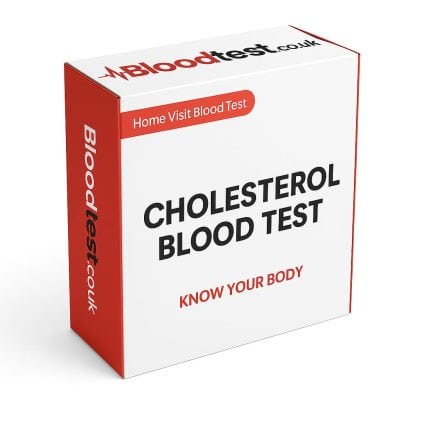

For those who find fasting challenging, scheduling the blood test early in the morning can be a practical solution. By booking the appointment first thing, patients can fast overnight, simplifying the process. This strategy not only aids in achieving accurate results but also increases the efficiency of testing at local clinics.
What Medication Factors Should You Consider?
Before undergoing a blood test for high cholesterol in Sheffield, discussing any medications you currently take with your GP is essential. Certain medications, including steroids, diuretics, and various beta-blockers, can affect cholesterol readings. Being open about all medications allows healthcare professionals to interpret the results accurately.
If you're taking medication that might influence your cholesterol levels, your GP may recommend temporary adjustments or provide specific guidance on how to proceed. This proactive approach helps prevent misleading results and ensures that any necessary treatment changes are based on precise information.
Best Practices for Scheduling Your Appointment
When arranging a blood test for high cholesterol in Sheffield, choosing early-morning slots at local clinics is highly recommended. This strategy can greatly reduce waiting times and lead to a more efficient experience. Clinics often experience peak hours, so early appointments can help you avoid long queues.
It is wise to call ahead or check online for specific clinic hours and availability. Some facilities may offer online booking options, which can save time and help you secure your preferred appointment. Taking these proactive steps can significantly enhance the testing process.
Locating Clinics and Hospitals for Cholesterol Testing in Sheffield
Accessing Cholesterol Testing at NHS Walk-In Centres
Residents of Sheffield can take advantage of free cholesterol testing at multiple NHS walk-in centres. These centres provide convenient blood tests for high cholesterol without requiring referrals, making it easier for individuals to get tested. This accessibility is especially beneficial for those without a regular GP or those seeking immediate testing.
Walk-in centres generally offer flexible hours, allowing for testing beyond standard working times. This flexibility ensures that everyone can find a suitable time for testing, facilitating effective monitoring of their cholesterol levels.
Exploring Private Testing Options
Several private laboratories in Sheffield provide rapid results for the high-cholesterol blood test, catering to those who prefer a quicker turnaround. These facilities often offer flexible appointment times, making it easier for patients to incorporate testing into their busy schedules. The detailed reports generated by private laboratories can also offer deeper insights into a patient’s health status.
While private testing incurs a fee, many individuals find that the advantages of prompt results and comprehensive analyses justify the expense. For those with specific health concerns or a family history of cholesterol issues, private testing may represent a worthwhile investment in their health.
Maximising Your GP Surgery Services
Most GP practices in Sheffield include cholesterol screening as part of routine health assessments. This integration allows patients to conveniently undergo the blood test for high cholesterol during regular visits, ensuring that monitoring is a component of overall health management. GPs can provide tailored advice based on the results, helping patients make informed decisions regarding their lifestyle and treatment options.
Regular screenings can identify potential issues before they develop into more serious conditions. By incorporating cholesterol testing into standard health check-ups, GPs play a crucial role in promoting preventive healthcare within the community.
Key Hospital Facilities for Cholesterol Testing
Patients throughout Sheffield can undergo the blood test for high cholesterol at various locations within the Sheffield Teaching Hospitals NHS Foundation Trust. These prominent hospital facilities offer integrated care, allowing patients to access specialist consultations on-site if necessary. This connection between testing and follow-up care enhances the overall patient experience and ensures continuity of care.
Accessing a comprehensive healthcare system benefits patients who may require additional support or further testing based on their cholesterol results. The integrated approach within the Trust enables a more coordinated response to health concerns, ensuring that patients receive the highest quality of care.
Learning from Expert Insights on Cholesterol Testing in Sheffield
Real-Life Cases of Cholesterol Management Success
Expert evaluations of typical patient outcomes following a blood test for high cholesterol in Sheffield reveal a variety of scenarios. Many patients find that their results inspire significant lifestyle changes, leading to improved cholesterol levels over time. For example, a local case study illustrated how a patient with high cholesterol successfully lowered their levels through dietary modifications and increased physical activity.
These real-world examples underscore the importance of regular testing and proactive health management. Sharing success stories can motivate others to take control of their health and seek testing when necessary.
Expert Analysis on Factors Affecting Test Accuracy
Several factors can impact the accuracy of blood test results for high cholesterol in Sheffield. Elements such as age, sex, and genetic predisposition play a significant role in cholesterol levels. Lifestyle factors, including diet and exercise habits, can also affect test results.
Experts stress the importance of standardised testing protocols to ensure consistency and reliability in results. Understanding these factors empowers patients to interpret their results more effectively and engage in meaningful discussions with their healthcare providers about their health.
What Should You Do After Your Cholesterol Test?
After completing the blood test for high cholesterol in Sheffield, patients should take several actionable steps. First, it is essential to schedule a follow-up appointment with their GP to discuss results and any necessary lifestyle changes. This conversation can clarify the next steps and help patients understand their health status.
Keeping a health diary that tracks diet, exercise routines, and any symptoms can also be beneficial. This record serves as a valuable resource for discussions with healthcare providers and assists in monitoring progress over time.
Recommended Prevention Strategies from Experts
Experts advocate for various preventive strategies following a blood test for high cholesterol in Sheffield. Lifestyle modifications, such as adopting a balanced diet rich in fruits, vegetables, and whole grains, are crucial. Regular physical activity is equally important, as it can lower cholesterol levels and improve overall heart health.
Local healthcare programmes often offer resources and support for individuals looking to implement these changes. Participating in community initiatives can boost motivation and provide valuable information on maintaining a heart-healthy lifestyle.
Emerging Trends in Cholesterol Testing
Innovations in blood testing for high cholesterol are set to enhance patient care in Sheffield. Advancements in technology, including point-of-care testing and advanced lipid profiling, promise quicker and more accurate results. Such developments could lead to more personalised treatment plans and improved monitoring of cholesterol levels.
Healthcare professionals in Sheffield are optimistic about the potential impact on patient care, as these trends may facilitate earlier detection of high cholesterol and more effective interventions. Staying informed about these innovations is vital for both healthcare providers and patients in managing cardiovascular health.
Research-Backed Benefits of Cholesterol Testing in Sheffield
Advantages of Early Detection of High Cholesterol
Research indicates that the prompt detection of high cholesterol through a blood test in Sheffield significantly lowers cardiovascular risk in adults. Early identification allows for timely intervention, which can prevent more serious health issues such as heart disease or stroke.
Studies show that individuals who regularly monitor their cholesterol levels are more likely to adopt healthier lifestyle choices and adhere to treatment plans. This proactive approach to health management is crucial for minimising long-term health risks associated with high cholesterol.
Monitoring Treatment Effectiveness
Continuous testing is essential for assessing treatment efficacy among patients in Sheffield. After initiating lifestyle changes or beginning medication, follow-up blood tests for high cholesterol provide critical feedback on their effectiveness. This ongoing evaluation enables healthcare providers to adjust therapies based on individual responses.
Patients gain valuable insights regarding how their actions impact cholesterol levels, motivating sustained commitment to their health objectives. Understanding the connection between treatment and outcomes fosters a collaborative healthcare approach.
The Role of Testing in Preventive Health Strategies
Regular use of blood tests for high cholesterol in Sheffield contributes to reducing long-term heart disease rates within the UK population. By identifying individuals at risk early, healthcare providers can implement preventive strategies that significantly lower the chances of serious cardiovascular incidents.
Research suggests that community health initiatives focused on cholesterol testing and education can enhance public health outcomes. These programmes not only raise awareness but also empower individuals to take proactive steps in managing their health.
Implementing Lifestyle Changes Following Your Test Results
What Dietary Changes Should You Consider?
Embracing heart-healthy eating habits in Sheffield can greatly assist in cholesterol management after a high-cholesterol blood test. Recommended local foods include:
- Oats and whole grains
- Fruits such as apples and berries
- Vegetables like spinach and broccoli
- Fatty fish, including salmon
- Legumes and beans
- Nuts and seeds
- Olive oil
- Lean poultry
Incorporating these foods into daily meals can help lower LDL cholesterol and enhance overall heart health. Collaborating with GPs or nutritionists to develop a personalised dietary plan that meets individual needs is vital.
Creating an Effective Exercise Regimen
Incorporating regular physical activity is essential for improving cholesterol levels after a high-cholesterol blood test in Sheffield. Engaging in at least 150 minutes of moderate-intensity exercise weekly can help raise HDL cholesterol while lowering LDL cholesterol levels.
Activities such as brisk walking, cycling, swimming, and even gardening can help achieve these goals. Establishing a routine that combines cardiovascular and strength-training exercises offers comprehensive benefits for heart health.
What Follow-Up Tests Are Advisable?
Patients in Sheffield may require follow-up checks to monitor progress after their initial blood test for high cholesterol. Healthcare providers typically recommend follow-up testing every three to six months, depending on individual circumstances and initial results.
These follow-up tests are crucial for assessing the effectiveness of lifestyle modifications or medications. Regular monitoring ensures that patients stay on track with their health goals and allows for timely adjustments to treatment plans when necessary.
Effectively Understanding Your Test Results
How to Interpret Your Lipid Profiles
Healthcare providers in Sheffield clarify total cholesterol and LDL levels derived from the blood test for high cholesterol during follow-up consultations. Understanding the significance of these lipid profiles is essential for patients, as it helps them assess their cardiovascular risk.
Total cholesterol comprises both LDL (low-density lipoprotein) and HDL (high-density lipoprotein) cholesterol. While high LDL levels are a concern, HDL is often referred to as “good” cholesterol as it helps remove other types of cholesterol from the bloodstream. Grasping these distinctions enables patients to be more engaged in their health management.
How Is Risk Evaluated?
Local experts utilise data from the blood test for high cholesterol in Sheffield to assess individual heart risks and inform personalised care. This evaluation considers various factors, including age, family history, lifestyle choices, and test results, providing a comprehensive overview of cardiovascular health.
Recognising personal risk factors allows patients to make informed decisions about their health. It also facilitates targeted interventions that can significantly reduce the likelihood of heart disease or related conditions.
When Should You Seek Additional Guidance?
Patients should contact their Sheffield GP if blood test results for high cholesterol exceed recommended levels, necessitating prompt intervention. Elevated cholesterol readings may require immediate lifestyle changes or medication adjustments to mitigate health risks.
Being proactive in seeking further advice is essential for maintaining heart health. GPs can provide tailored recommendations and additional resources to assist patients in effectively managing their cholesterol.
Frequently Asked Questions About Cholesterol Testing
What does a blood test for high cholesterol entail?
A blood test for high cholesterol measures cholesterol and triglyceride levels in your blood. It assesses your risk for heart disease and other cardiovascular concerns.
How often should I undergo tests for high cholesterol?
It is generally advisable to have your cholesterol checked every four to six years. Individuals with risk factors may need more frequent testing.
What levels are considered normal for cholesterol?
Normal total cholesterol levels are typically below 5.0 mmol/L. LDL levels should be less than 3.0 mmol/L, while HDL levels ought to exceed 1.0 mmol/L for men and 1.2 mmol/L for women.
Can I eat before a cholesterol test?
No, patients should fast for nine to twelve hours prior to a cholesterol test. Only water is permitted to ensure accurate results.
What factors influence cholesterol levels?
Factors such as diet, physical activity, genetics, age, and certain medications can affect cholesterol levels. Lifestyle modifications can assist in managing these levels effectively.
What should I do if my cholesterol levels are elevated?
If your cholesterol is high, consult your GP for guidance on lifestyle changes, dietary adjustments, and potential medication options to manage your levels.
Are there any symptoms associated with high cholesterol?
High cholesterol typically does not present noticeable symptoms. Regular testing is essential for detection, as unmanaged high cholesterol can lead to significant health complications.
Is it possible to reverse high cholesterol?
Yes, high cholesterol can often be managed or reversed through lifestyle changes such as a nutritious diet, regular exercise, and, if necessary, medication.
Which foods should I avoid to control high cholesterol?
To manage high cholesterol, avoid foods high in saturated fats, trans fats, and cholesterol. This includes processed foods, fried items, and fatty cuts of meat.
Where can I get a cholesterol test in Sheffield?
You can obtain a cholesterol test at NHS walk-in centres, GP surgeries, and private laboratories throughout Sheffield. Many facilities offer convenient and accessible testing options.
Follow us on Facebook for the latest updates!
This Article Was First Published On https://bloodtest.co.uk
The Article High Cholesterol Blood Test: Essential Information for Sheffield found first on https://electroquench.com