In-Depth Analysis of Data-Driven Nutrition Planning for Pets
Key Components of Successful Pet Nutrition Strategies
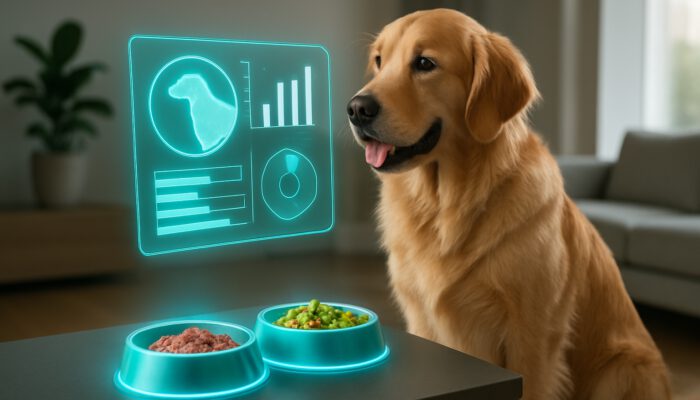
Contemporary pet nutrition planners leverage a diverse range of data to formulate personalised feeding plans that cater to the specific needs of each pet. By analysing factors such as age, weight, and activity levels, these planners ensure that pets receive the vital nutrients necessary for their long-term health and well-being. This tailored method effectively addresses prevalent dietary concerns like obesity and malnutrition by continuously adapting and refining nutrition plans based on tracked progress metrics.
The technology that supports these planners typically employs sophisticated algorithms to evaluate the data gathered. This functionality allows for real-time adjustments to feeding schedules and portion sizes, guaranteeing that each pet’s unique needs are met. As pets age and their lifestyles evolve, these planners adapt accordingly, becoming essential tools for conscientious pet owners dedicated to maintaining their furry companions’ optimal health.
By incorporating data-driven insights, pet owners not only enhance their pets’ diets but also foster a deeper understanding of their overall health and happiness. They can monitor not just their pets’ eating habits but also the impact of these choices on their health, behaviour, and energy levels over time. This comprehensive perspective is crucial for making informed decisions about pet care.
What Methods Can You Employ to Identify Reliable Data Sources?
Choosing trustworthy data sources is crucial for the effectiveness of any data-driven nutrition planner. Pet owners should evaluate apps and devices that accurately collect health metrics, ensuring compatibility and seamless integration into daily routines. This may include wearable technology that tracks activity levels or nutrition applications that document dietary consumption.
When assessing a device or application, consider user ratings, the credibility of the developers, and the precision of the data generated. Numerous reputable brands provide comprehensive solutions that not only monitor nutrition but also offer insights into health trends over time. This data can be instrumental in making proactive modifications to a pet’s diet, leading to improved health outcomes.
Incorporating veterinary support into these platforms can further enhance their reliability. Many data-driven nutrition planners now feature options for seamless communication with veterinarians, ensuring that any dietary changes are backed by professional guidance. This collaboration between pet owners and veterinary specialists establishes a solid framework for effectively managing pet nutrition.
What Actions Can You Take to Navigate Initial Setup Challenges?
Setting up a data-driven nutrition planner can present several hurdles for newcomers. One important preparatory step is to ensure precise data entry. Owners must provide accurate information regarding their pet’s current weight, age, breed, and activity levels to create a strong foundation for the nutrition plan.
Navigating technology can also pose common challenges. Users might encounter difficulties with app interfaces or syncing devices, causing frustration. To reduce these obstacles, it is advisable to familiarise oneself with the tools prior to full implementation. Many platforms provide tutorials or customer support to assist users during the initial setup.
Establishing a routine for regular data updates is essential. New users may forget to log daily activities or health changes, which can diminish the planner’s effectiveness. Setting reminders or designating specific times for these updates will ensure that the nutrition plan remains accurate and relevant, ultimately benefiting the pet’s health.
How Can You Efficiently Track Progress and Implement Necessary Changes?

Effectively monitoring a pet’s progress is essential for optimising their nutrition plan. Key metrics such as weight changes, energy levels, and coat condition should be tracked over time to fine-tune feeding regimens. Analysing these indicators allows pet owners to make informed adjustments that respond to their pet’s changing needs.
Regular assessments can reveal trends that may require dietary modifications. For example, if a pet gains weight despite adhering to the recommended feeding plan, it may be necessary to adjust portion sizes or reconsider the type of food provided. Keeping thorough records of these metrics can yield valuable insights and facilitate discussions with veterinarians.
The capacity to dynamically modify plans based on real-time data enhances the overall effectiveness of nutrition planners. This proactive approach not only supports optimal health outcomes but also instills a sense of accountability for pet owners. By actively participating in the monitoring process, owners can ensure their pets receive the highest standard of care tailored to their individual needs.
How Can You Integrate Veterinary Expertise into Nutrition Plans?
Incorporating veterinary expertise into data-driven nutrition planning is vital for validating the accuracy of gathered metrics. Veterinary professionals offer insights that assist pet owners in interpreting data effectively, ensuring that dietary recommendations align with the pet’s overall health goals. This collaboration helps mitigate potential health risks associated with unsuitable dietary choices.
Veterinarians can perform baseline health assessments, which form the basis for personalised nutrition plans. By reviewing a pet’s medical history and current health status, veterinarians can suggest specific dietary adjustments tailored to individual needs, such as weight management or allergy considerations.
Regular consultations with veterinarians can aid in monitoring the effectiveness of the nutrition plan over time. As pets transition through various life stages or experience health changes, the guidance of a veterinary expert becomes invaluable. This partnership not only enhances the pet’s nutritional strategy but also promotes a holistic approach to their overall health management.
Professional Insights on Data-Driven Nutrition Planners for Pets
Techniques for Successful Integration

Successfully incorporating data-driven nutrition planners into a pet care routine begins with an extensive baseline health assessment. Experts advise that pet owners compile detailed information about their pets, including weight, age, breed, and any pre-existing health conditions. This foundational data is crucial for developing an effective nutrition plan tailored to the pet’s unique requirements.
Once the baseline information is established, owners can use tracking tools to monitor various health metrics. These tools may include wearable devices that measure activity levels, feeding applications that log dietary intake, and even veterinary health records that provide insights into the pet’s medical history. By integrating these data sources, pet owners can acquire a more comprehensive understanding of their pet’s health and nutritional needs.
Experts emphasise the importance of regular updates and adjustments to the nutrition plan. As pets develop and their lifestyles change, the collected data will inform necessary modifications to their diets. This adaptable strategy ensures that the nutrition plan remains relevant and effective, ultimately promoting the pet’s long-term health and happiness.
Steps for Tailoring Nutrition Plans
Customising a pet’s nutrition plan is an ongoing process that requires careful observation and modifications. Experts recommend initiating gradual dietary changes, such as slowly introducing new foods or adjusting portion sizes. This method allows pet owners to monitor their pet’s reactions to these changes without overwhelming their digestive systems.
Documenting outcomes is equally crucial. Pet owners should keep detailed records of any changes made, noting how their pets respond in terms of energy levels, weight fluctuations, and overall health. This information not only aids in refining the nutrition plan but also provides valuable insights for discussions with veterinarians.
Regularly revisiting and modifying the nutrition plan based on documented outcomes can lead to significant improvements over time. Experts suggest scheduling check-ins every few weeks to evaluate progress and implement necessary adjustments. This proactive approach fosters a deeper understanding of the pet’s needs and supports a healthier, more balanced diet tailored to individual requirements.
Case Studies Demonstrating Success
Real-world case studies illustrate the effectiveness of customised nutrition plans in addressing specific deficiencies in pets. Veterinarians have documented numerous success stories where data-driven methodologies have led to improved health outcomes. For instance, a Labrador Retriever suffering from chronic skin issues showed remarkable improvement after its diet was altered based on data concerning its allergies and sensitivities.
In another example, a senior cat that had become lethargic and overweight benefited from a data-driven nutrition planner, which implemented a customised feeding regimen tailored to the cat’s age-related needs and activity levels. Over several months, the cat regained its vitality and achieved a healthier weight, demonstrating the potential benefits of personalised nutrition plans.
These examples highlight the importance of tailoring nutrition to each pet’s specific circumstances. By leveraging data and veterinary expertise, pet owners can develop effective strategies that not only address current health challenges but also promote long-term vitality and well-being.
How Do Data Algorithms Improve Pet Diets?
Ensuring Accuracy and Validation of Algorithms
Data algorithms play a critical role in enhancing the precision of pet diets. Advanced models assess multiple variables, including age, weight, breed, and activity levels, to determine optimal nutrient balances for each pet. This accuracy minimises the risks associated with overfeeding or underfeeding, ensuring that pets receive the necessary nutrients tailored to their specific situations.
To maintain accuracy, these algorithms undergo continuous validation against real-world outcomes. Regular updates and adjustments based on new data ensure that the recommendations provided by the planners remain relevant and effective. This iterative approach allows for the incorporation of emerging research and trends in pet nutrition, further enhancing the algorithms’ reliability.
Employing machine learning techniques enables these systems to evolve over time. As more pet owners engage with data-driven nutrition planners, the algorithms learn from an expanding array of data points, resulting in increasingly accurate recommendations. This continuous feedback loop is vital for addressing the unique needs of pets globally.
Understanding Real-Time Adjustments in Nutrition Plans
Real-time adjustments represent a significant feature of data-driven nutrition planners, allowing them to dynamically update recommendations as new inputs are received. For example, if a pet’s activity level fluctuates due to seasonal changes or health issues, the planner can automatically modify the feeding regimen to reflect these variations. This adaptability ensures that pets consistently receive the appropriate nutrition.
The technology supporting these real-time updates generally employs sophisticated algorithms that analyse incoming data and apply it to the pet’s existing nutrition plan. This process alleviates the need for manual intervention from users, simplifying the maintenance of optimal feeding schedules. Pets benefit from a diet that evolves according to their changing needs.
Real-time adjustments encourage active participation from pet owners in managing their pets’ health. By receiving immediate feedback based on their pet’s current status, owners can make informed decisions regarding dietary changes and assess their effectiveness. This proactive approach nurtures a stronger bond between pet owners and their pets, ultimately resulting in better health outcomes.
Acknowledging the Limitations of Automated Recommendations
While data-driven nutrition planners offer numerous benefits, users must recognise their limitations. Automated recommendations rely on algorithms that analyse specific data points; however, they may not account for unforeseen changes in a pet’s health or behaviour. For instance, if a pet becomes ill or shows a sudden increase in activity, the system may necessitate manual adjustments to ensure the diet remains suitable.
Pet owners should regularly review the outputs generated by these planners, particularly during significant life changes or health events. Routine consultations with veterinarians can provide additional insights that inform necessary adjustments, ensuring that the pet’s nutrition plan continues to align with its overall health objectives.
Relying solely on automated recommendations without human oversight can lead to potential pitfalls. It is essential for pet owners to engage actively with the data and consult with professionals when necessary. This collaborative approach ensures that pets receive the best care based on a comprehensive understanding of their individual needs.
Research-Backed Benefits of Data-Driven Nutrition Planners for Pets
Outcomes from Controlled Trials
Research demonstrates that data-driven nutrition planners can lead to measurable improvements in pet health when consistently used. Controlled trials have shown enhanced weight management and immune function among pets whose diets were personalised using these advanced systems. The evidence supports the premise that tailored nutrition significantly influences overall well-being.
One study revealed that pets on data-driven nutrition plans exhibited increased energy levels and improved coat conditions compared to those on generic diets. The ability to monitor and adjust feeding regimens based on real-time data contributed to these positive results, showcasing the effectiveness of personalised strategies in pet nutrition.
Ongoing research continues to investigate the long-term advantages of data-driven nutrition planning. As more studies are published, the evidence supporting the efficacy of these systems is expected to strengthen, encouraging more pet owners to adopt data-driven approaches for their pets’ health.
Long-Term Health Benefits
The long-lasting health benefits associated with data-driven nutrition planners are substantial. By providing personalised nutrition tailored to individual requirements, these systems can yield a range of advantages, including:
- Fewer veterinary visits due to improved overall health
- Increased mobility and vitality in ageing pets
- Lower risks of obesity and related health complications
- Enhanced coat quality and skin health
- Improved digestion and nutrient absorption
- Higher energy levels and activity
- Longer lifespan and enhanced quality of life
- Proactive management of chronic health conditions
By addressing specific dietary needs and adapting to changing health conditions, data-driven nutrition planners promote sustained vitality and well-being for pets throughout their lives. This proactive approach not only enhances the quality of life for pets but also provides peace of mind for their owners.
Cost-Effectiveness Over Time
Investing in data-driven nutrition planners can result in substantial cost savings in the long term. By preventing nutrition-related conditions through proactive monitoring and precise portion control, pet owners can avoid the significant expenses associated with veterinary treatments for obesity, diabetes, and other dietary concerns. This preventive strategy ultimately translates into lower overall pet care costs.
The ability to track health metrics and adjust diets accordingly ensures that pets receive the right nutrient balance without unnecessary waste. Pet owners can avoid over-purchasing food that may not meet their pets’ evolving needs, leading to more efficient resource utilisation.
The long-term health benefits associated with personalised nutrition can reduce the frequency of veterinary visits. Healthier pets require less medical intervention, allowing owners to allocate their budgets toward preventive care and premium products. This shift from reactive to proactive management fosters a more sustainable approach to pet ownership.
What Factors Affect Tailored Pet Nutrition?
Understanding Breed-Specific Nutritional Needs
Different dog and cat breeds have unique metabolic needs that must be considered in personalised nutrition plans. Breed-specific requirements stem from genetic predispositions that influence how pets metabolise nutrients. For example, large breeds may require diets formulated to support joint health, while small breeds could benefit from higher energy content in their meals.
Data-driven nutrition planners can incorporate these breed-specific requirements into daily formulations, ensuring pets receive the right nutrients tailored to their genetics. This customisation helps prevent common health issues associated with specific breeds, such as hip dysplasia in larger dogs or dental problems in smaller breeds.
Understanding breed-specific needs extends beyond basic nutritional requirements. It also involves considerations such as food texture and palatability, which can influence a pet’s willingness to eat. By addressing these factors, pet owners can create a more enjoyable and effective feeding experience for their furry companions.
Incorporating Activity Level into Nutrition Planning
A pet’s activity level is a critical factor determining its caloric needs. More active pets require increased caloric intake, which can be automatically calculated through motion data collected from wearables or activity logs. This integration ensures that pets receive the appropriate amount of food to sustain their energy expenditure and maintain a healthy weight.
Data-driven nutrition planners can assess activity patterns and adjust feeding recommendations accordingly. For instance, a pet that exercises regularly may require a higher caloric intake compared to a less active pet. This tailored strategy promotes optimal energy levels and helps prevent weight-related health issues.
Real-time monitoring of activity levels empowers pet owners to make informed decisions regarding dietary adjustments. If a pet’s activity level declines due to illness or seasonal changes, the planner can recommend reducing caloric intake to maintain a healthy weight. This proactive method encourages a more responsive approach to pet nutrition that adapts to individual lifestyle changes.
Adjusting Nutrition for Age-Related Changes
As pets progress through different life stages, their nutritional needs shift dramatically. Data-driven nutrition planners are designed to modify formulas based on these age-related changes, ensuring pets receive the appropriate nutrients at every life phase. For instance, puppies require higher protein and fat content to support growth, while senior pets may benefit from diets focused on joint health and lower calorie content.
These planners can automatically adjust feeding recommendations as pets age, taking into account factors like weight, activity levels, and health conditions. This dynamic approach aids in preventing common age-related issues, such as obesity in middle-aged pets or malnutrition in seniors.
Regularly updating the nutrition plan based on age-related changes encourages a proactive approach to pet care. By monitoring key metrics and making dietary adjustments accordingly, pet owners can enhance their pets’ health and well-being throughout their lives, ensuring they thrive at every stage.
Customising Nutrition for Specific Health Conditions
Personalised nutrition planners can adjust nutrient profiles to accommodate specific health conditions that pets may face. For example, pets with allergies may require specialised diets that exclude certain ingredients, while those with diabetes might benefit from low-glycemic foods. By carefully reviewing veterinary records and customising ingredient selections, these planners support optimal health outcomes for each individual pet.
Data-driven nutrition planners can also incorporate insights from veterinary professionals to ensure that dietary modifications align with medical recommendations. This collaboration fosters a comprehensive approach to managing health conditions, allowing pet owners to make informed decisions based on their pets’ unique needs.
The capability to track health metrics over time empowers pet owners to evaluate the effectiveness of dietary changes. If a pet’s condition improves or worsens in response to dietary adjustments, owners can collaborate with veterinarians to further refine the nutrition plan. This iterative process ensures that pets receive the best possible care tailored to their specific health challenges.
Proven Techniques for Data-Driven Nutrition Planners for Pets
Expert Guidelines on Monitoring Protocols
Implementing effective monitoring protocols is vital for maximising the benefits of data-driven nutrition planners. Specialists recommend amalgamating multiple data streams for robust insights that guide precise interventions. This may involve tracking metrics such as weight, activity levels, and even behavioural indicators that can signify changes in a pet’s health.
By adopting a holistic approach to monitoring, pet owners can achieve a comprehensive understanding of their pet’s well-being. For instance, if a pet’s energy levels decline alongside weight gain, this combination of data points may suggest the need for dietary adjustments. This proactive strategy enables timely interventions that can prevent more serious health issues in the future.
Specialists advocate for regular reviews of collected data to ensure that nutrition plans remain aligned with evolving needs. Scheduling check-ins every few weeks can help pet owners stay engaged in their pets’ health management, fostering a sense of accountability that ultimately benefits the pet’s overall well-being.
Practical Steps for Expanding Nutrition Plans
Scaling a pet’s nutrition plan involves a systematic approach that begins with core metrics. Pet owners should monitor essential data points such as weight, activity levels, and dietary intake. Once a solid foundation is established, owners can broaden their tracking to include behavioural indicators that provide a fuller picture of wellness.
For example, monitoring changes in a pet’s appetite or energy levels can yield valuable insights into its overall health. If a pet becomes less active or displays signs of lethargy, these indicators may prompt a reevaluation of the nutrition plan. By employing a comprehensive approach to tracking, pet owners can make informed decisions that support their pets’ health and vitality.
Experts recommend maintaining open communication with veterinarians throughout the scaling process. Regular consultations can provide guidance on necessary adjustments and help ensure that the nutrition plan remains effective as pets grow and their needs change. This collaborative approach encourages a proactive strategy for managing pet nutrition.
Real-World Examples of Successful Implementation
Real-world examples demonstrate the advantages of implementing effective strategies for data-driven nutrition planners. Pet owners who adopt comprehensive monitoring protocols often experience quicker issue detection and improved adherence to dietary recommendations. For instance, a pet owner who diligently tracked their dog’s weight and energy levels was able to identify a potential health issue early, resulting in timely veterinary intervention.
Another case features a cat owner who utilised a data-driven nutrition planner to monitor dietary intake and adjust feeding schedules accordingly. By documenting changes in the cat’s behaviour and health metrics, the owner developed a tailored nutrition plan that led to increased energy levels and overall well-being.
These success stories emphasise the importance of actively engaging with data-driven nutrition planners. By adopting proven strategies and maintaining a proactive approach, pet owners can cultivate healthier lifestyles for their pets while ensuring their unique needs are effectively met.
Why Utilise Advanced Tools for Monitoring Pet Health?
Tracking Key Biomarkers for Optimal Health
Monitoring key biomarkers is essential for maintaining optimal pet health. Continuous data collection reveals trends early, enabling pet owners to make timely adjustments before issues escalate into serious concerns. Key biomarkers may include weight, energy levels, coat condition, and even behavioural changes that can indicate underlying health issues.
By employing advanced tracking tools, pet owners can gain valuable insights into their pets’ overall well-being. For instance, a sudden increase in weight may indicate a need for dietary modifications, while fluctuations in energy levels could highlight potential health concerns. Regular reviews of these metrics help pet owners stay informed and proactive in their pets’ care.
Advanced monitoring tools often provide alerts or notifications when key metrics deviate from established norms. This feature allows pet owners to promptly address potential issues, fostering a more responsive approach to pet health management. By remaining engaged and informed, pet owners can ensure their pets receive the best possible care tailored to their individual needs.
Assessing Tool Reliability for Accurate Insights
Selecting dependable tools for monitoring pet health is critical for ensuring accurate readings and meaningful insights. Pet owners should seek devices with proven calibration and user-friendly interfaces that encourage regular engagement. The reliability of these tools directly influences the quality of data collected, which in turn affects the effectiveness of nutrition plans.
When evaluating monitoring tools, consider factors such as user reviews, the reputation of the brand, and the accuracy of the data provided. Many reputable brands offer comprehensive solutions that not only track health metrics but also provide insights into trends over time. This information can be instrumental in making proactive adjustments to a pet’s nutrition plan.
Pet owners should prioritise tools that facilitate easy integration with existing data-driven nutrition planners. Seamless connectivity ensures that collected data can be effectively analysed, providing a holistic view of the pet’s health. By investing in reliable tools, pet owners can enhance their ability to monitor and manage their pets’ health efficiently.
Understanding and Interpreting Collected Data Insights
Interpreting insights from monitoring tools is crucial for making informed decisions about pet health. Common patterns that indicate the need for professional consultation include significant weight fluctuations, changes in energy levels, or persistent behavioural issues. These signs may suggest underlying health concerns requiring veterinary attention.
Pet owners should routinely review collected data and identify trends that deviate from established norms. For example, if a pet’s energy levels consistently decline over several weeks, this may necessitate a consultation with a veterinarian to investigate potential underlying causes. Engaging with veterinary professionals can provide additional insights that inform necessary adjustments to the nutrition plan.
Understanding the context of collected data is essential. Factors such as seasonal changes, activity levels, and dietary variations can all influence health metrics. By considering these aspects, pet owners can gain a comprehensive understanding of their pets’ health and make informed decisions that support their overall well-being.
Implementing Effective Nutrition Solutions
Structured Rollout Process for Nutrition Plans
Implementing effective nutrition solutions begins with a structured rollout process. Pet owners should start by entering comprehensive profiles for their pets, including vital information such as age, weight, breed, and any pre-existing health conditions. This foundational data is critical for establishing a trustworthy baseline for the nutrition plan.
Once the initial profiles are created, owners can activate tracking features to generate initial plans for review and approval. This step allows pet owners to evaluate the recommendations provided by the planner and make any necessary adjustments based on their pets’ unique needs. Engaging in this review process cultivates a sense of ownership and accountability in managing pet nutrition.
Following the initial rollout, regular updates and reviews are vital for maintaining long-term engagement. Pet owners should schedule periodic check-ins to assess the effectiveness of the nutrition plan and make adjustments as needed. This iterative process ensures that the plan remains aligned with evolving needs, ultimately supporting the pet’s health and well-being.
Strategies for Sustaining Long-Term Engagement and Commitment
Sustaining long-term engagement with a data-driven nutrition planner requires consistent effort and regular reviews. Pet owners should establish a routine for updating health metrics and logging changes in their pets’ behaviour and dietary intake. This proactive strategy ensures that the nutrition plan remains relevant and effective over time.
Maintaining regular communication with veterinarians can also enhance engagement. Scheduling routine check-ins enables pet owners to discuss their pets’ progress and seek professional guidance on necessary adjustments. This collaborative approach fosters a deeper understanding of the pet’s health and supports informed decision-making.
Incorporating technological tools that facilitate easy data entry and tracking can enhance user engagement. Many modern nutrition planners feature user-friendly interfaces and mobile applications that simplify logging data and monitoring pets’ health. By leveraging these tools, pet owners can maintain consistent engagement and effectively support their pets’ well-being.
Evaluating Overall Success Metrics for Nutrition Strategies
Assessing overall success metrics is essential for confirming the effectiveness of a chosen nutrition strategy. Pet owners should monitor improvements in key areas such as energy levels, digestion, and overall vitality. By tracking these metrics over time, pet owners can determine whether the nutrition plan is achieving its intended goals.
Regularly reviewing health metrics allows pet owners to identify trends and make informed decisions about necessary adjustments. For instance, if a pet’s energy levels show significant improvement following dietary changes, this may indicate that the nutrition plan is effectively meeting its needs. Conversely, a lack of observed improvements might prompt a reevaluation of the current approach.
Engaging with veterinarians during the evaluation process can provide valuable insights. Veterinary professionals can assist in interpreting collected data and offering guidance on necessary adjustments to the nutrition plan. This collaborative approach ensures that pets receive the best possible care tailored to their unique needs and circumstances.
Customising Individual Nutrition Plans for Optimal Health
Creating personalised nutrition plans requires a thorough analysis of specific user requirements and objectives. Pet owners should consider factors such as age, weight, activity levels, and any pre-existing health conditions when developing tailored nutrition strategies. This personalised approach guarantees that pets receive the right balance of nutrients needed for their unique circumstances.
Data-driven nutrition planners can facilitate this customisation process by analysing collected metrics and suggesting recommendations based on individual needs. For instance, a pet with a history of allergies may require a specialised diet that excludes certain ingredients. By tailoring the nutrition plan to address these specific challenges, pet owners can promote optimal health outcomes.
Regular updates and adjustments to the nutrition plan are crucial for maintaining its effectiveness over time. As pets grow and their needs shift, ongoing customisation ensures that the nutrition strategy remains relevant and supportive of their overall well-being. This proactive approach fosters a healthier lifestyle for pets and strengthens the bond between owners and their furry companions.
Integrating Technological Tools for Enhanced Nutrition Management
Incorporating various technological tools into the nutrition framework enhances the efficacy of data-driven nutrition planners. By utilising wearables, mobile applications, and health monitoring devices, pet owners can streamline data collection and analysis, supporting informed decision-making. This integration allows for a more holistic approach to managing pet nutrition and health.
Many modern nutrition planners offer seamless connectivity with wearable devices that track activity levels and health metrics. This data can be automatically synchronised with the nutrition planner, providing real-time insights into the pet’s overall well-being. By simplifying data collection, pet owners can focus on making informed decisions that promote their pets’ health.
Technology tools can facilitate communication with veterinarians, enriching the collaborative approach to pet care. Many platforms now feature options that allow pet owners to share collected data with veterinary professionals, ensuring that dietary modifications are informed by expert advice. This integration fosters a comprehensive strategy for effectively managing pet nutrition.
Frequently Asked Questions About Data-Driven Nutrition Planning
What are data-driven nutrition planners for pets?
Data-driven nutrition planners for pets are tools that leverage health metrics and algorithms to create personalised feeding regimens tailored to individual pets’ needs. They analyse factors such as age, weight, and activity levels to optimise nutrition.
How do I choose a reliable nutrition planner for my pet?
When selecting a nutrition planner, evaluate its accuracy, user reviews, and compatibility with your pet’s health metrics. Look for reputable brands that offer comprehensive tracking and integration with veterinary support.
What common challenges arise during the setup of a nutrition planner?
Common challenges include ensuring accurate data entry, navigating technology interfaces, and establishing a routine for regular updates. Familiarising yourself with the tools and seeking support can help overcome these hurdles.
How can I monitor my pet’s progress effectively?
To monitor progress effectively, track key metrics such as weight, energy levels, and coat condition over time. Regularly review this data to make informed adjustments to the nutrition plan.
Why is veterinary expertise important in nutrition planning?
Veterinary expertise ensures that collected metrics are accurate and dietary recommendations align with your pet’s health goals. This collaboration helps prevent potential health risks associated with improper dietary choices.
What role do algorithms play in pet nutrition planning?
Algorithms analyse multiple variables to predict ideal nutrient balances for pets, minimising the risks of over or underfeeding. They continuously update recommendations based on real-time data inputs.
Are there limitations to automated nutrition recommendations?
Yes, automated recommendations may not account for unexpected changes in a pet’s health or behaviour. Regular reviews by pet owners are essential to ensure that the diet remains appropriate.
What benefits can I expect from using a data-driven nutrition planner?
Benefits include improved weight management, enhanced energy levels, better coat quality, and reduced vet visits due to proactive health management. These tools foster long-term health and vitality for pets.
How does activity level influence pet nutrition?
A pet’s activity level determines its caloric needs. Higher energy pets require more calories, which can be calculated through data collected from wearables or activity logs for tailored feeding.
What factors should be considered when customising a pet’s nutrition plan?
Consider factors such as breed-specific requirements, age-related shifts, activity levels, and any health conditions. Tailoring the nutrition plan to these factors ensures optimal health outcomes for your pet.
Visit Our Facebook Profile for More Insights!
The Article Data-Driven Nutrition Planners for Pets: Enhance Pet Wellness First Published On https://elgatoencasa.com
The Article Data-Driven Nutrition for Pets: Boost Your Pet’s Wellness Was Found On https://limitsofstrategy.com
The Article Data-Driven Nutrition: Enhance Your Pet’s Wellness found first on https://electroquench.com