Proven Techniques for Selecting Top-Quality Ingredients for Your Baked Alaska
How to Choose the Perfect Base Cake for Your Dessert
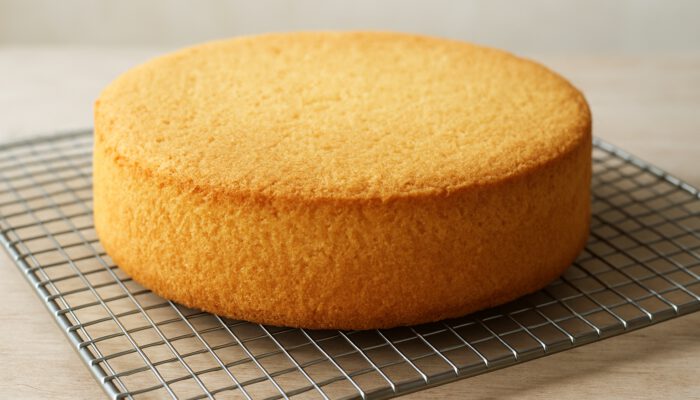
The foundation of a successful Baked Alaska lies in the choice of a sturdy sponge cake. An expertly made sponge not only effectively absorbs flavours but also retains an ideal texture, avoiding any sogginess. Opt for recipes that yield a light yet resilient cake, such as a classic Genoise or pound cake, which can support the additional layers with ease.
Prepare your base cake well in advance and ensure it cools completely before you start assembling the dessert. This crucial step preserves the cake’s shape when layered with ice cream and meringue. Avoid overly moist cakes, as they may not withstand the freezing and baking processes without collapsing.
How to Select High-Quality Ice Cream for Optimal Results
The choice of ice cream plays a pivotal role in the success of your Baked Alaska. Look for dense, high-fat options that can endure the oven’s heat without losing their form. Brands that focus on natural ingredients and minimise air during the churning process will yield the best results.
Consider flavour pairings that complement your cake base. For instance, a rich chocolate ice cream pairs delightfully with a vanilla sponge, while fruity alternatives like raspberry or mango add a refreshing contrast. Ensure that the ice cream is completely frozen before layering to achieve the best texture.
How to Create a Light and Fluffy Meringue
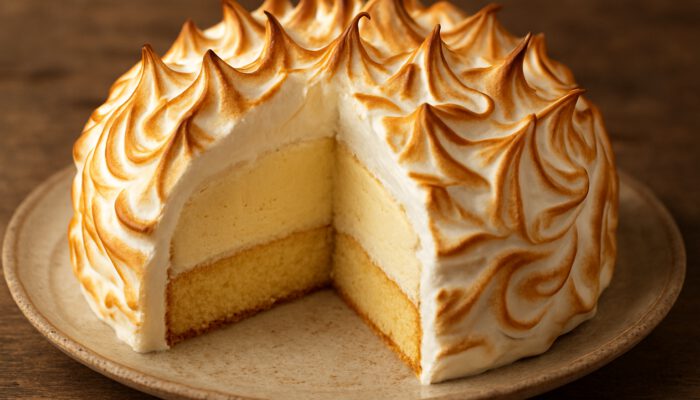
A light and airy meringue is essential for crafting a classic Baked Alaska. Begin by whipping egg whites until they achieve stiff peaks, then gradually incorporate sugar to create a glossy mixture. This meringue acts as an insulating layer, protecting the ice cream from heat during the baking process.
To achieve a beautifully golden-brown finish, keep a close eye on both the baking time and temperature. Bake the meringue until it sets and lightly browns, enhancing its visual appeal and providing a delightful textural contrast to the cold ice cream underneath.
What Key Tools Are Essential for Preparing Baked Alaska?
How to Ensure Your Oven Thermometer Is Accurate
An oven thermometer is crucial for achieving the correct baking temperatures. Even slight temperature fluctuations can influence how evenly your Baked Alaska browns, potentially leading to a soggy centre or a burnt exterior. By verifying your oven’s accuracy, you can avoid these pitfalls and secure consistent results.
Investing in a reliable oven thermometer is a smart choice, especially for delicate desserts like Baked Alaska. Place the thermometer in the centre of the oven and adjust your settings as needed, ensuring a stable temperature throughout the baking process for optimal outcomes.
Why You Should Use Chilled Mixing Bowls and Beaters
Utilising cold mixing bowls and beaters can significantly enhance the volume and stability of your meringue. Chilled tools help maintain the egg whites at a consistent temperature, preventing them from warming too quickly and separating during whipping. This simple step can dramatically improve the final texture of your meringue.
For the best results, consider placing your mixing bowls in the freezer for a few minutes prior to use. This will contribute to a more stable meringue, ensuring it retains its shape when piped onto the assembled dessert.
How to Choose Freezer-Safe Moulds
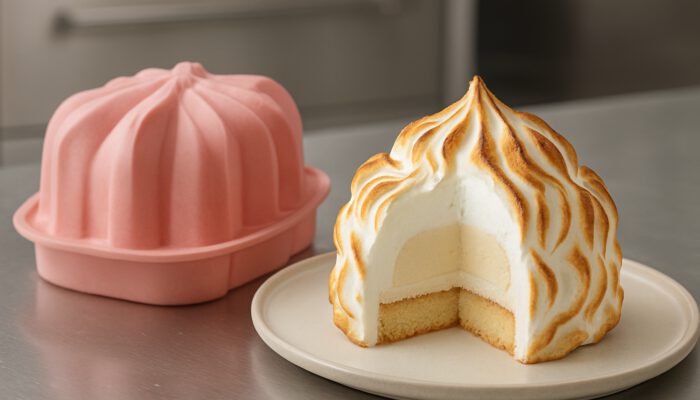
Selecting the right mould for shaping your Baked Alaska is crucial for achieving a professional appearance. Opt for freezer-safe containers that can withstand low temperatures without warping. Silicone moulds are particularly advantageous, as they facilitate easy release of the frozen dessert.
Ensure your moulds are appropriately sized for your cake base and ice cream layers. This promotes even freezing and simplifies the assembly process, preventing unsightly edges. Choosing the right mould can significantly enhance the overall presentation of your Baked Alaska.
How to Use Digital Kitchen Scales for Precision
Accurate measurements are vital when preparing components for Baked Alaska. Using digital kitchen scales enables precise weighing of ingredients, ensuring the perfect balance of sugars and egg whites for a voluminous meringue. This meticulous attention to detail can greatly influence the final outcome.
For optimal results, weigh your ingredients before starting the mixing process. This preparation ensures everything is ready and streamlines your workflow, allowing you to focus on crafting the perfect Baked Alaska without any last-minute surprises.
Why Piping Bags with Various Nozzles Are Essential
Piping bags are crucial for evenly spreading meringue over your dessert. Using a bag fitted with a nozzle allows for controlled dispensing, ensuring uniform coverage that enhances both the appearance and texture of the Baked Alaska. This technique also enables you to create decorative elements that elevate the overall presentation.
When selecting a piping bag, consider the size and shape of the nozzle. A star tip can create beautiful swirls and peaks, while a round tip is perfect for smooth applications. Practising your piping technique can help you achieve a stunning finish on your dessert.
What Expert Tips Will Help You Perfect a Traditional Baked Alaska at Home?
How to Master Timing in Your Preparation
Timing is crucial when crafting a Baked Alaska, particularly when coordinating the freezing and baking phases. For instance, allow the ice cream layer to freeze for a minimum of four hours or overnight if possible, ensuring it remains solid during baking. This prevents the ice cream from melting and guarantees a delightful contrast in temperature.
During the baking phase, closely monitor the meringue. Typically, it should take about 5 to 7 minutes at a high temperature to achieve that perfect golden crust. Setting a timer can help you avoid overbaking, which may lead to a burnt exterior and ruin the dessert.
What Is the Step-by-Step Guide to Layering Your Dessert?
Layering your Baked Alaska requires precision to maintain temperature control throughout the process. Start by placing the cooled cake base in the mould, then spread a generous layer of ice cream evenly on top. Ensure the ice cream reaches the edges to create a solid foundation that prevents melting.
Once the ice cream layer has frozen solid, apply the meringue, ensuring complete coverage of every surface. This protective layer is vital for maintaining the structure of the dessert during baking. After assembling, return the Baked Alaska to the freezer for a final chill before baking, ensuring it remains firm until serving.
How to Explore Flavour Pairings for Enhanced Taste
Flavour pairings can elevate your Baked Alaska beyond the conventional. Consider incorporating fruit purees, such as raspberry or passionfruit, which can enhance the overall flavour without overshadowing the classic profile. These additions provide a refreshing contrast to the rich ice cream and cake.
Experimenting with various ice cream flavours can also yield delightful results. For instance, pairing rich chocolate ice cream with a vanilla sponge and raspberry meringue creates a stunning combination of flavours and textures. Feel free to be creative while remaining true to the essence of Baked Alaska.
How Do You Properly Assemble the Layers of Baked Alaska?
What Is the Best Method for Evenly Distributing the Ice Cream?
To establish a stable foundation for your Baked Alaska, it is crucial to spread the ice cream evenly over the cake base. Use a spatula to ensure a smooth, uniform layer that extends to the edges of the cake. This method helps prevent gaps that could lead to melting during the baking phase.
Allow the ice cream layer to freeze solid before proceeding to the next step. A well-frozen layer will maintain its shape, making it easier to apply the meringue without disturbing the ice cream beneath. This attention to detail is vital for achieving a picture-perfect dessert.
How to Completely Envelop the Dessert with Meringue
Once the ice cream is frozen, it’s time to cover it with meringue. Use a piping bag or spatula to apply a thick layer of meringue over the entire surface, ensuring that no ice cream is exposed. This protective seal is essential for preventing heat penetration during the baking process.
Pay special attention to the edges and corners, as these areas are more susceptible to melting. Complete coverage not only protects the ice cream but also creates an attractive finish that enhances the overall presentation of your Baked Alaska.
What Is the Best Way to Freeze the Assembled Dessert?
After assembling your Baked Alaska, it is essential to freeze it for an adequate duration to ensure the dessert remains solid until serving. Ideally, allow it to freeze for at least an additional hour after applying the meringue. This extra chilling time helps the meringue set and prevents any melting during baking.
When ready to bake, confirm that the dessert feels firm to the touch. This ensures the ice cream stays solid during the brief baking phase, allowing you to achieve the desired contrast of hot and cold textures in every bite.
What Are the Research-Backed Benefits of Making Baked Alaska at Home?
What Key Advantages Can You Expect for Texture Contrast?
One of the most appealing aspects of Baked Alaska is its delightful texture contrast. Here are some key benefits to consider:
- Hot meringue contrasts beautifully with cold ice cream.
- The sponge cake provides a soft, chewy base.
- Each bite offers a unique combination of temperatures.
- The meringue adds a light, airy texture that complements the creaminess of the ice cream.
This unique combination creates an exciting sensory experience, making Baked Alaska a memorable dessert for any occasion.
How Does Meringue’s Insulation Properties Work?
The science behind meringue’s insulation properties is intriguing. When baked, meringue forms a protective layer that effectively traps air. This air acts as an insulator, preventing heat from rapidly reaching the ice cream, ensuring that the core remains frozen while the outer layer achieves a beautiful golden colour.
This insulation is critical for realising the classic Baked Alaska experience. The structure of the meringue allows for a gorgeous golden crust without compromising the frozen centre, showcasing the delicate balance of temperatures that defines this dessert.
How to Create Visual Appeal through Browning Techniques
Achieving an attractive golden crust on your Baked Alaska can be accomplished with a few straightforward techniques. First, ensure your oven is preheated to the correct temperature before placing the dessert inside. A hot oven encourages even browning while cooking the meringue.
Using a kitchen torch can also enhance the visual appeal. Carefully torch the meringue until it reaches a lovely golden hue, adding flair to your presentation. This technique not only looks impressive but also introduces a subtle caramelised flavour that enhances the overall dessert.
What Common Mistakes Should You Avoid When Making Baked Alaska?
How to Avoid Overwhipping Egg Whites
A common mistake when preparing meringue is overwhipping the egg whites. While achieving stiff peaks is the goal, whipping them too long can result in dryness and cracking in the finished meringue shell. Stop whipping as soon as you see glossy, stiff peaks that retain their shape.
To ensure the best results, monitor the consistency closely as you whip. A good test is to turn the bowl upside down; if the meringue stays in place, it’s ready. This careful attention will help you achieve a smooth, stable meringue that enhances the overall presentation.
How to Ensure Adequate Freezing Time
Another frequent pitfall is not allowing sufficient time for the ice cream to freeze solid before assembly. Inadequate freezing can lead to melting during the baking process, compromising the texture and appearance of your Baked Alaska. Always allocate ample time for the ice cream to firm up completely.
If you’re pressed for time, consider using a shallow container for the ice cream to freeze more quickly. This approach helps achieve the desired firmness without sacrificing the quality of your dessert. Planning ahead is essential for a successful Baked Alaska.
How to Ensure Even Application of Meringue
Applying meringue unevenly can lead to exposed areas that may melt during baking. To avoid this, take your time when spreading or piping the meringue over the assembled dessert. Ensure every surface is covered, paying particular attention to the edges and corners.
A thorough application not only protects the ice cream but also contributes to the overall aesthetic of your Baked Alaska. A well-coated dessert will appear more appealing and provide a consistent texture in every bite, enhancing the dining experience.
What Are the Final Steps for Presenting Your Baked Alaska?
How to Slice for Neat Portions
When it’s time to serve your Baked Alaska, slicing it properly is essential for showcasing its beautiful layers. Use a hot knife to make clean cuts, which will help prevent the layers from sliding apart. A hot knife glides through both the meringue and ice cream, ensuring a tidy presentation.
Aim for even portions to guarantee that each guest receives a fair share of the delicious layers. This attention to detail enhances the overall dining experience and allows everyone to appreciate the effort that went into creating this stunning dessert.
How to Incorporate Optional Garnishes for Enhancement
Enhancing your Baked Alaska with optional garnishes can elevate both its presentation and flavour. Fresh fruit, such as berries or citrus slices, adds a pop of colour and a refreshing contrast to the rich dessert. Consider drizzling a fruit puree or chocolate sauce around the plate for an artistic touch.
Herbs like mint can also serve as an attractive garnish, adding a hint of freshness that complements the dessert. These simple additions can make your Baked Alaska even more appealing, ensuring it stands out on the table.
What Is the Best Way to Store Leftovers?
If you happen to have leftovers, proper storage is essential to maintain the quality of your Baked Alaska. Wrap it securely in plastic wrap or aluminium foil to prevent freezer burn. This helps preserve the texture and flavours for future enjoyment.
When storing, consider cutting the dessert into individual portions for easier access. This allows you to indulge in a slice whenever the craving strikes without needing to thaw the entire dessert. Proper storage ensures that your Baked Alaska remains a delightful treat for days to come.
How to Serve at the Ideal Temperature
To fully appreciate the flavours and textures of your Baked Alaska, serve it at the optimal temperature. Allow the dessert to sit at room temperature for a few minutes before slicing. This slight warming will enhance the texture of the meringue while keeping the ice cream firm.
Aim for a serving temperature that highlights the contrast between the hot meringue and cold ice cream. This balance is crucial for delivering the ultimate experience, particularly during the Australian summer heat, when a refreshing dessert is most appreciated.
What Are the Frequently Asked Questions About Baked Alaska?
What Is Baked Alaska?
Baked Alaska is a dessert that features a sponge cake base topped with ice cream and coated in meringue, which is then briefly baked to create a golden crust.
Can I Use Store-Bought Ice Cream for Baked Alaska?
Yes, store-bought ice cream is perfectly suitable for Baked Alaska. Just ensure it is a high-quality, dense variety to maintain its shape during baking.
How Long Should I Freeze the Ice Cream Before Assembling?
It’s best to freeze the ice cream for at least four hours or overnight to ensure it is solid enough to hold its shape during assembly and baking.
What Type of Cake Works Best for the Base?
A sturdy sponge cake, like Genoise or pound cake, is ideal for the base as it provides stability and absorbs flavours without becoming soggy.
How Can I Tell When the Meringue Is Ready?
The meringue is ready when it forms stiff peaks that hold their shape and appear glossy. Ensure it is not overwhipped, as this can lead to cracking.
Can I Prepare Baked Alaska Ahead of Time?
Yes, you can assemble Baked Alaska in advance. Prepare it and freeze until you are ready to bake and serve.
What Are Some Good Flavour Combinations for Ice Cream?
Consider pairing chocolate ice cream with vanilla sponge or fruity flavours like raspberry or mango for a refreshing contrast in the dessert.
How Do I Prevent the Ice Cream from Melting During Baking?
Ensure the ice cream is frozen solid before assembly and cover it completely with meringue to create a protective barrier during baking.
What Is the Best Way to Slice Baked Alaska?
Use a hot knife for slicing through the layers cleanly. This prevents the layers from sliding apart and ensures a neat presentation.
How Should I Store Leftovers?
Wrap leftover Baked Alaska securely in plastic wrap or foil to prevent freezer burn, and consider cutting it into individual portions for easy access.
Visit our Facebook profile today!
The post How To Make A Classic Baked Alaska At Home: Simple Guide appeared first on https://cookinggods.com
The Article Classic Baked Alaska: Your Simple Home Guide Was Found On https://limitsofstrategy.com
The Article Baked Alaska: A Simple Guide for Home Chefs found first on https://electroquench.com