Empower Yourself with Essential Insights for Effective Water Valve Replacement
Explore the Crucial Functions of Water Valves in Plumbing Systems
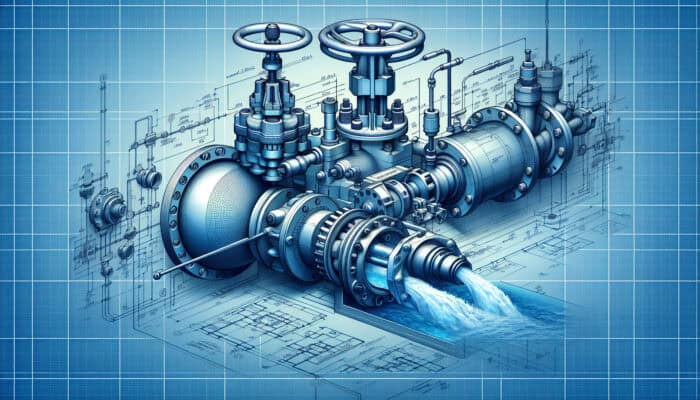
Understanding the complexities of water valve replacement services in West End Vancouver is essential, as a water valve acts as a vital component in plumbing systems, responsible for managing the flow and pressure of water in both residential and commercial settings. These valves play a key role in efficiently directing water throughout a system, significantly influencing water usage and conservation practices. Various types of valves are tailored to meet specific plumbing needs, and their performance can substantially impact the overall effectiveness of water systems. Common categories of water valves include:
- Ball Valves: Recognised for their dependability and swift shut-off capabilities, making them a top choice.
- Gate Valves: Often employed in primary water supply lines, these valves minimise flow resistance.
- Globe Valves: Most suitable for regulating flow, although they may impose greater restrictions than other varieties.
- Check Valves: Crucial for preventing backflow, ensuring water flows in a single direction.
- Butterfly Valves: Perfect for larger pipelines, offering a compact solution.
- Pressure Relief Valves: Essential for safeguarding systems from excessive pressure by releasing excess water.
- Float Valves: Effectively manage water levels in tanks and reservoirs.
- Solenoid Valves: Electrically operated valves, frequently utilised in irrigation systems.
What Makes Regular Maintenance of Water Valves So Important?
Consistent maintenance of water valves is vital for prolonging their lifespan and ensuring optimal functionality. Neglecting valve upkeep can lead to serious complications, including leaks, unnecessary water wastage, and major plumbing emergencies. Residents in West End, Vancouver, should be attentive to several warning signs that indicate a valve may need replacement. Such signs include:
- Visible Leaks: The presence of water accumulation around the valve or dripping indicates malfunction.
- Corrosion or Rust: Signs of oxidation on metal valves point to deterioration.
- Unusual Noises: Hissing or banging sounds might suggest internal issues.
- Difficulty in Operation: Handles that stick or are hard to turn may indicate wear.
- Changes in Water Pressure: Irregularities often suggest valve problems.
- Old Age: Valves that are over 10-15 years old may require proactive replacement.
- Frequent Repairs: If a valve has undergone multiple repairs, it may be time for a replacement.
Unlock the Benefits of Engaging Professional Valve Replacement Services
Opting for professional services for water valve replacement offers numerous benefits that significantly enhance the reliability and quality of a plumbing system. Skilled plumbers bring specialised expertise, the right tools, and extensive experience to ensure replacements are performed correctly from the outset. The primary advantages of hiring professional water valve replacement services include:
- Expertise and Experience: Professionals are trained to effectively manage complex valve systems.
- Quality Assurance: Work completed by professionals is typically backed by warranties and guarantees.
- Safety: Experts follow safety protocols, minimising the risk of accidents during replacement.
- Time Efficiency: Professionals can accomplish the task more quickly, reducing homeowner inconvenience.
- Proper Tools and Equipment: Professionals have access to specialised tools that simplify the replacement process.
- Ongoing Support: Many professional services offer follow-up maintenance and valuable advice.
Comprehensive Overview of Water Valve Replacement Services in West End, Vancouver

Real-World Success Stories from Valve Replacement Projects
In the dynamic community of West End, Vancouver, numerous homeowners have benefitted from timely water valve replacements, showcasing the effectiveness of professional services in addressing valve-related challenges. For instance, a residential complex on Beach Avenue faced ongoing leaks from ageing valves, resulting in significant water wastage and soaring utility bills. After engaging a local plumbing service for water valve replacement, the complex observed a considerable reduction in leaks and a remarkable boost in water pressure. This scenario highlights how proactive replacements can effectively resolve existing issues while preventing future plumbing complications.
In another instance, a single-family home on Davie Street experienced a drastic drop in water pressure. A professional valve inspection revealed a malfunctioning gate valve that was restricting water flow. Following the valve replacement, the homeowners enjoyed a consistent and robust water supply. These real-life examples reinforce the necessity for timely interventions and demonstrate how professional services can deliver both immediate and long-lasting benefits.
How Do Professionals Execute Water Valve Replacement?
Professional water valve replacement services employ a systematic approach designed to minimise disruptions to the homeowner’s daily activities while maximising the efficiency of the replacement process. This methodology encompasses thorough assessments, careful execution, and comprehensive post-installation checks. A typical professional valve replacement process involves the following steps:
- Initial Inspection: Plumbers evaluate the current valve to ascertain the most suitable replacement method.
- Shutting Off the Water Supply: The water supply is disconnected to prevent leaks during the replacement.
- Removing the Old Valve: Careful detachment of the old valve is carried out to avoid damaging nearby pipes.
- Preparing the Installation Site: The area is cleaned and made ready for the new valve installation.
- Installing the New Valve: The new valve is securely fitted, ensuring compatibility with the plumbing system.
- Testing the New Valve: The plumber restores the water supply and checks for leaks and proper functionality.
- Providing Maintenance Tips: After installation, homeowners receive guidance on effectively maintaining the new valve.
What Costs Should Homeowners Anticipate When Replacing a Water Valve?
The costs associated with replacing a water valve can vary significantly based on several factors, including the type of valve being replaced, the complexity of the task, and local labour rates in West End, Vancouver. Homeowners should prepare for potential costs that encompass materials, labour, and any necessary repairs. To effectively budget for valve replacements, homeowners can take the following actionable steps:
- Research Valve Prices: Familiarise yourself with the costs associated with different valve types to set realistic expectations.
- Obtain Multiple Quotes: Request estimates from several plumbing services to compare their pricing structures.
- Consider Labour Costs: Factor in the plumber's hourly rate and any applicable service fees.
- Account for Additional Repairs: Be prepared for potential extra costs if surrounding plumbing requires attention.
- Request a Detailed Breakdown: Ensure quotes provide a comprehensive overview of all costs involved.
- Plan for Future Replacements: Set aside funds for periodic maintenance and unforeseen valve replacements.
Guidelines for Selecting the Best Service Provider for Valve Replacement
What Qualifications Should You Look for in a Reliable Service Provider?
When searching for a service provider for water valve replacement, it is crucial to select a company with the appropriate qualifications and experience. Licensed and skilled plumbers ensure that the job is performed safely and effectively, in compliance with local plumbing codes and regulations. Significant qualifications to consider in a service provider include:
- Licensing: Confirm that the plumber holds a valid licence from the relevant regulatory authority.
- Insurance: Ensure the provider possesses liability insurance to safeguard against potential damages.
- Experience: Look for extensive experience in plumbing, particularly in valve replacement.
- Certifications: Verify certifications from recognised plumbing organisations.
- Customer Reviews: Seek testimonials that reflect the quality of their work and customer satisfaction.
- Continuing Education: A commitment to ongoing training indicates a provider’s dedication to staying updated with industry standards.
- Local Knowledge: Familiarity with local plumbing codes and conditions is invaluable.
How Can Homeowners Effectively Evaluate Service Reviews and Testimonials?
Assessing service reviews and testimonials is a crucial step in selecting a reliable water valve replacement provider. These reviews offer valuable insights into the experiences of previous customers and the quality of service received. To evaluate the credibility of reviews, homeowners can follow these actionable steps:
- Check Multiple Sources: Look for reviews across various platforms, including Google, Yelp, and local directories.
- Assess Overall Ratings: Consider both the overall rating and the volume of reviews to gauge consistency.
- Read Detailed Feedback: Focus on reviews that provide specific details regarding the service and outcomes.
- Look for Company Responses: Professional providers often reply to reviews, showcasing their commitment to customer service.
- Ask for References: Don’t hesitate to request references or case studies from potential providers.
- Watch for Recurring Themes: Consistent feedback about specific strengths or weaknesses can be revealing.
Why Is Local Expertise Crucial for Valve Replacement Services?
Choosing a local service provider for water valve replacement in West End, Vancouver, presents distinct advantages. Local plumbers possess a comprehensive understanding of the specific plumbing requirements and regulations unique to the area, ensuring that services are customised to meet local standards. The benefits of selecting local experts include:
- Familiarity with Local Codes: Local providers are knowledgeable about regional plumbing codes, ensuring compliance.
- Quick Response Times: Proximity allows for faster service and emergency responses.
- Community Trust: Established local providers often have a reputation to uphold within the community.
- Support for Local Economy: Hiring local businesses contributes to the regional economy.
- Personalised Service: Local plumbers tend to offer more tailored services based on community needs.
- Knowledge of Local Water Conditions: Understanding local water quality issues can inform better valve choices.
How Can Homeowners Verify the Insurance and Bonding of a Service Provider?
Verifying that a service provider has adequate insurance and bonding is essential for ensuring protection against potential damages or incomplete work during the valve replacement process. Homeowners can confirm coverage through the following steps:
- Request Proof of Insurance: Ask the provider for a copy of their insurance policy.
- Check Coverage Limits: Ensure that their insurance covers potential damages or injuries.
- Inquire about Bonding: Verify bonding protection in case the contractor fails to meet their obligations.
- Contact Their Insurer: Confirm the validity of their insurance by reaching out to the insurance company directly.
- Look for Compliance: Ensure that their bonding adheres to local regulations and standards.
- Review Contracts Carefully: All details regarding insurance and bonding should be clearly outlined in the contract.
Popular Water Valve Types Utilised in West End, Vancouver
Common Valve Types Used in Residential Plumbing Applications
In West End, Vancouver, the most frequently employed types of water valves in residential plumbing include ball valves, gate valves, and globe valves. Each valve type serves a distinct function within the plumbing system and offers specific advantages. For instance, ball valves are highly regarded for their durability and ability to provide complete shut-off, making them ideal for main water supply lines. Their efficiency and user-friendliness are key reasons many homeowners prefer them.
Gate valves are typically utilised where straightforward water flow is essential. They provide minimal resistance to flow, making them suitable for larger pipe diameters. While they may not be ideal for frequent operation due to their slower functionality, they remain reliable for main shut-off applications. Conversely, globe valves are specifically designed to regulate flow and pressure within the system, giving homeowners enhanced control over water distribution. Understanding the benefits of each valve type is crucial for making informed decisions regarding home plumbing.
What Are the Key Differences Between Various Valve Types?
Water valves are available in various types, each featuring unique mechanisms and applications that can significantly influence their performance in plumbing systems. For example, ball valves utilise a spherical disc to control flow, allowing for quick opening and closing. In contrast, gate valves operate through a gate-like mechanism that either obstructs or allows flow, albeit at a slower pace. These differing operational mechanisms result in varying performance characteristics.
Globe valves, which have an internal baffle to manage flow, excel in throttling but can cause pressure drops due to their restrictive nature. On the other hand, check valves are essential for preventing backflow and safeguarding plumbing systems from potential contamination. The design of each valve type influences its suitability for specific plumbing applications, whether regarding regulating water flow or maintaining optimal pressure levels. Recognising these distinctions aids homeowners in selecting the appropriate valve for their intended use.
How to Choose the Most Suitable Valve for Your Household?
Selecting the right water valve for your home in West End, Vancouver, requires careful consideration of several critical factors. First and foremost, homeowners should assess their specific plumbing needs, including the intended application, water pressure, and flow rates. For example, if a homeowner needs a valve to manage the main water supply, a ball valve may be the most suitable option due to its strength and durability.
Furthermore, understanding the plumbing layout is essential. Larger homes may benefit from gate valves, which offer minimal flow resistance, while systems that require precise flow regulation may necessitate globe valves. Homeowners should also consider long-term maintenance implications; choosing a valve that is easy to operate and maintain can save both time and resources in the future. This comprehensive evaluation ensures that the selected valve effectively meets both immediate and long-term plumbing requirements.
Effective Strategies for Maintaining and Replacing Water Valves
Regular maintenance and timely replacement of water valves are fundamental for ensuring optimal performance and longevity within residential plumbing systems. Homeowners in West End, Vancouver, should adopt best practices for maintaining their valves, including conducting periodic inspections for leaks, corrosion, and overall functionality. Addressing minor issues promptly can prevent costly complications in the future.
Regarding replacement, understanding the ideal timing is essential. Valves showing signs of wear, such as difficulty in turning or visible damage, should be replaced immediately to avert system failures. Keeping track of valve installation dates and maintenance history enables homeowners to monitor when replacements are due. By proactively managing valve maintenance and replacement, homeowners can ensure the longevity and efficiency of their plumbing systems.
In-Depth Examination of the Valve Replacement Process
Conducting a Comprehensive Initial Assessment and Diagnosis
The initial phase of the valve replacement process involves a thorough evaluation of the current valve’s condition and diagnosing any underlying issues. Homeowners should remain vigilant for signs indicating that a valve requires immediate replacement, such as visible leaks, unusual noises, or drops in water pressure. A trained plumber will also conduct a meticulous examination of the surrounding plumbing system to identify potential complications.
During this assessment phase, accurately identifying the type of valve needing replacement is critical, as selecting an inappropriate one can lead to inefficiencies or further plumbing challenges. Homeowners should communicate any symptoms they have observed and allow the plumber to perform a visual inspection, which will include checking for corrosion or damage. This initial diagnosis lays the groundwork for a successful and effective valve replacement.
Step-by-Step Procedure for Valve Replacement
Replacing a water valve requires careful execution to ensure a successful outcome. The essential steps for a seamless replacement include first shutting off the water supply to prevent leaks during the procedure. Subsequently, the plumber will meticulously remove the old valve, ensuring no damage to surrounding pipes or fixtures.
Once the old valve is detached, the installation of the new valve begins. This step necessitates ensuring a secure fit by applying appropriate sealants or thread tape as required. After the new valve is installed, restoring the water supply and checking for leaks is crucial to confirm that the installation was successful. Finally, the plumber should provide the homeowner with information regarding any follow-up maintenance or checks needed to keep the valve functioning optimally.
Conducting Post-Installation Checks and Ongoing Maintenance
Following the installation of a new water valve, it is essential to conduct thorough post-installation checks to confirm that the valve operates correctly. This involves monitoring for any leaks around the valve and verifying that it functions smoothly under pressure. Homeowners should observe the valve’s performance over several days to identify any irregularities or emerging issues.
Establishing regular maintenance practices is vital, including periodic inspections for signs of wear or corrosion and ensuring that the valve operates easily. Homeowners are encouraged to align these checks with seasonal plumbing inspections. Keeping the new valve clean and free from debris will also prolong its lifespan and functionality, safeguarding the plumbing system against future complications.
Essential Tools and Materials Required for Valve Replacement
Before commencing the valve replacement process, it is crucial to have the required tools and materials readily available for an efficient and well-organised workflow. Essential tools for valve replacement generally include an adjustable wrench, pipe wrench, plumber’s tape, and a hacksaw for cutting pipes if necessary. Furthermore, ensuring that replacement materials such as the new valve, pipe sealant, and any required fittings are on hand guarantees that the job can proceed without interruption.
Preparing a workspace with adequate lighting and accessibility to the plumbing system is also essential. Safety gear, including gloves and goggles, can protect against potential hazards during the replacement process. By ensuring that all necessary tools and materials are available, homeowners can facilitate a seamless and successful valve replacement experience.
Common Challenges Encountered During Valve Replacement and Effective Solutions
Throughout the valve replacement process, various challenges may arise; however, with the right approach, these can be effectively managed. Common issues include difficulty removing the old valve, pipe corrosion, or misalignment of new fittings. If an old valve proves stubborn, applying penetrating oil can assist in loosening it for easier removal.
Corroded pipes may necessitate additional work, such as cutting out damaged sections and replacing them, to ensure a secure fit with new valves. If the new valve is misaligned, careful adjustments may be required to ensure it connects properly to the existing plumbing system. Engaging a skilled professional to navigate these challenges can minimise delays and ensure a successful valve replacement.
Research-Backed Benefits of Water Valve Replacement Services in West End, Vancouver
How Does Replacing Valves Improve Water Efficiency?
Replacing outdated and inefficient water valves can significantly enhance water efficiency within a plumbing system. Modern valve technologies are designed to minimise leaks and ensure optimal flow, directly contributing to reductions in water waste. Homeowners in West End, Vancouver, who have undertaken valve replacements frequently report substantial improvements in their water bills and overall system performance.
For example, a residential building that replaced old gate valves with modern ball valves observed a reduction in water loss by over 30% within just a few months. This not only resulted in financial savings but also contributed to the conservation of local water resources. Such cases demonstrate how proactive valve replacement can yield both immediate and enduring benefits in water efficiency.
What Long-Term Advantages Can Homeowners Expect from Valve Replacement?
The long-term benefits of water valve replacement extend beyond immediate cost savings and enhanced efficiency. Homeowners can anticipate reduced maintenance expenses due to fewer leaks and system failures, resulting in lower repair costs over time. Additionally, new valves often improve the overall reliability of plumbing systems, providing homeowners with peace of mind.
Replacing old valves can also increase property value, as potential buyers perceive well-maintained plumbing systems as a significant asset. Homeowners are advised to document all replacements and maintenance, as this information can be beneficial during property evaluations. By investing in timely valve replacements, homeowners not only enhance their current living conditions but also make a wise decision that positively impacts their future property value.
The Environmental Significance of Efficient Water Valves
Efficient water valves play a crucial role in water conservation initiatives, directly influencing the environmental footprint of households. By replacing outdated and malfunctioning valves, homeowners help reduce unnecessary water wastage, which is especially vital in a region like Vancouver, where water conservation is a priority.
Modern valve technologies are engineered to minimise leaks and optimise flow rates, enabling homeowners to use water responsibly. This collective effort towards efficiency can significantly support local water conservation campaigns. Furthermore, by selecting valves made from sustainable materials, homeowners can promote eco-friendly practices within their plumbing systems, reflecting a commitment to environmental stewardship.
Identifying Common Valve Issues and Effective Solutions
What Are the Most Common Valve Problems Encountered?
Common issues that homeowners may face with valves include leaks, corrosion, and valve sticking, each requiring specific solutions. Leaks often occur due to worn seals or damaged fittings, while corrosion typically affects metal valves exposed to moisture over time. Sticking valves frequently result from mineral buildup or internal wear, leading to operational challenges.
Prompt identification of these problems is crucial to prevent more significant plumbing concerns. Regular inspections and maintenance can aid in detecting signs of wear, corrosion, or leaks, enabling homeowners to address these issues proactively. Understanding the common problems associated with water valves empowers homeowners to maintain their plumbing systems effectively.
How Can Homeowners Quickly Address Leaking Valves?
When a valve begins to leak, the first step is to assess the situation to determine whether it can be repaired or if a complete replacement is necessary. For minor leaks, tightening the valve or replacing the seals may suffice. However, in more severe cases, a full valve replacement may be the most effective solution.
Homeowners should act swiftly upon noticing leaks to prevent water damage and additional costs. Shutting off the water supply and consulting a professional can help mitigate further issues. Understanding how to address leaking valves promptly can save homeowners both time and money while preserving the integrity of their plumbing systems.
Preventive Measures to Minimise Valve Issues
Implementing regular inspections and timely maintenance can help prevent many common valve problems, thereby extending the life of the plumbing system. Homeowners should incorporate valve inspections into their seasonal maintenance routine, checking for leaks, corrosion, and signs of wear. Keeping valves clean and free from debris also aids in maintaining their function and efficiency.
Moreover, ensuring proper installation and selecting the appropriate valve types for specific applications will significantly reduce the likelihood of problems arising. By adopting a proactive approach to valve maintenance, homeowners can avert costly repairs and ensure their plumbing systems operate optimally over time.
Considerations and Strategies for Managing Valve Replacement Costs
Factors Affecting the Costs of Replacement
The costs associated with water valve replacement can vary considerably based on several factors. The type of valve selected is one of the primary determinants, as different valves come with various price points. For example, a high-quality ball valve may incur a higher cost compared to a basic gate valve, but its longevity and performance may justify the additional expense.
Labour rates also significantly influence overall costs; plumbing companies in West End, Vancouver, may charge varying rates based on experience and demand. The complexity of the job is another critical factor; if additional plumbing work is required during the replacement, costs will increase. Homeowners should also consider any potential damage to surrounding plumbing that may necessitate repairs during the valve replacement process.
How to Develop a Budget for Valve Replacement?
Budgeting for water valve replacement involves estimating total costs, including both materials and labour, and setting aside funds for future replacements. Homeowners can begin by researching the prices for different valve types to understand the range of costs. It is advisable to obtain multiple quotes from local plumbing services to compare labour rates and service fees.
Creating a dedicated savings plan for plumbing maintenance can also prove beneficial. Setting aside a small amount each month can provide a financial cushion for unexpected repairs or replacements. Additionally, homeowners should keep records of their plumbing maintenance, which can help anticipate future needs and costs, ensuring they are financially prepared for valve replacements when necessary.
Exploring Financing Options for Valve Replacement
For homeowners faced with unexpected valve replacements, various financing options can alleviate the financial burden. Home improvement loans are a popular choice, providing homeowners with the necessary funds to cover plumbing upgrades, including valve replacements. Additionally, some plumbing companies may offer payment plans that allow customers to spread the cost over several months.
Homeowners can also explore credit card options that offer promotional financing rates, simplifying the management of immediate expenses. Understanding the available financing options can ease some financial pressure and ensure that necessary plumbing work is completed without delay.
Emerging Trends in Water Valve Technology
Innovative Advancements in Valve Design and Functionality
The plumbing industry is witnessing remarkable innovations in valve design, aimed at enhancing durability, efficiency, and ease of installation. Modern valves are increasingly crafted from high-quality materials that resist corrosion and wear, thereby extending their lifespan. Innovations also include improved internal mechanisms that facilitate smoother operation and better flow control.
Moreover, advancements in manufacturing processes have led to the development of valves that are simpler to install and maintain. Innovations such as modular designs enable quicker replacements and repairs, minimising disruption for homeowners. Staying informed about these trends can empower homeowners to choose the most efficient and reliable valves for their plumbing systems, ensuring optimal performance and reliability.
How Will Smart Valves Transform Home Plumbing Systems?
Smart valves are emerging as a transformative technology in residential plumbing, offering remote control and monitoring capabilities that enhance convenience and efficiency. Through mobile applications or smart home systems, homeowners can track water usage in real-time, receive alerts about leaks, and remotely control the flow.
Integrating smart valve technology can lead to improved water management and conservation, as homeowners can adjust settings according to their needs. This advancement in plumbing technology not only adds convenience but also contributes to long-term savings and sustainability goals in water usage. As smart technology continues to evolve, it is anticipated to become an integral component of modern plumbing systems.
The Importance of Sustainability in Valve Technology
Sustainability is increasingly becoming a focal point in valve technology, with manufacturers prioritising designs that reduce water waste and minimise environmental impact. New valve technologies are engineered for greater operational efficiency, minimising leaks and optimising flow rates, which is essential for water conservation initiatives.
Additionally, many manufacturers are adopting eco-friendly materials and production methods, aligning with global sustainability objectives. Homeowners seeking to replace valves can now find options that not only meet performance requirements but also contribute positively to the environment. Embracing sustainable valve technologies reflects a commitment to responsible water use and environmental stewardship.
Frequently Asked Questions
What indicators suggest that a water valve needs replacement?
Indicators such as visible leaks, corrosion, operational difficulties, and unusual noises signal that a water valve may need replacement.
How often should water valves be inspected?
Homeowners should inspect water valves at least once a year or whenever they notice changes in performance or signs of wear.
Is it possible to replace a water valve independently of other components?
While some homeowners might manage DIY valve replacement, hiring a professional is advisable to ensure proper installation and mitigate potential plumbing issues.
Which types of water valves are commonly utilised in households?
Common water valves in residential settings include ball valves, gate valves, globe valves, and check valves, each serving distinct functions.
How can I extend the lifespan of my water valves?
Regular maintenance, prompt leak repairs, and proper installation significantly contribute to prolonging the lifespan of water valves.
What is the typical cost for water valve replacement?
The average cost of water valve replacement can vary significantly, but homeowners should budget between $150 and $600, depending on valve type and labour expenses.
Are smart valves a worthwhile investment?
Smart valves can be a valuable investment for homeowners who prioritise convenience, real-time monitoring, and improved water efficiency.
What steps should I take if my water valve is leaking?
If a water valve is leaking, immediately shut off the water supply and consult a professional plumber for diagnosis and repair.
How do I select the right service provider for valve replacement?
Research local providers, ensure they have proper licences and insurance, read reviews, and compare quotes to find a reliable service provider for valve replacement.
What maintenance practices should I follow after installation?
Post-installation, regularly inspect the valve for leaks, keep it clean, and consult with your plumber for any specific maintenance recommendations.
Connect with us on Facebook!
Presented By: Water Valve Replacement in West End Vancouver
The Article: Water Valve Replacement Services in West End Vancouver First Published On: https://pacificbluemechanical.ca/
The Article Water Valve Replacement Services in Vancouver’s West End Was Found On https://limitsofstrategy.com
The Article Water Valve Replacement Services in West End, Vancouver found first on https://electroquench.com