Master the Art of Crafting Perfectly Tender Pulled Pork at Home
How to Choose the Finest Cuts of Meat for Irresistible Pulled Pork
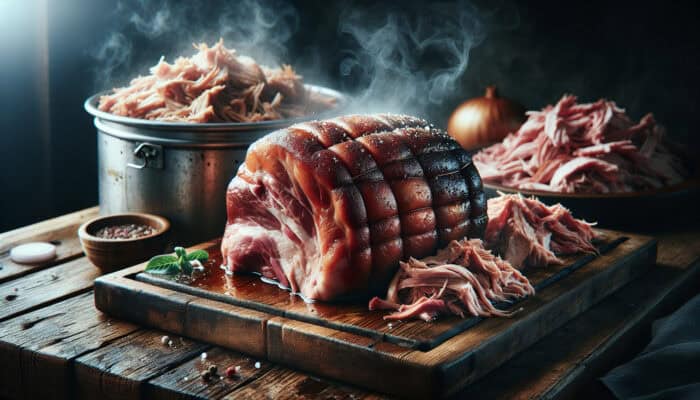
To truly excel in the craft of preparing tender pulled pork at home, it is vital to select the ideal cuts of meat. This selection is crucial for ensuring the ultimate tenderness that defines exceptional pulled pork. Recommended choices include pork shoulder and pork butt (commonly referred to as Boston butt), as these cuts possess generous marbling and ample connective tissue that decompose beautifully during the slow cooking process. For instance, when you cook a pork shoulder at low temperatures over several hours, it produces an incredibly succulent result, allowing the meat to become exceptionally tender and rich in flavour. This careful approach not only improves the texture but also amplifies the overall taste, transforming your pulled pork into a culinary triumph that will amaze your guests.
Crafting a Flavourful Spice Blend to Enhance Your Pulled Pork
To truly elevate the inherent flavour of your pulled pork, it is essential to carefully curate your spices and seasonings. A well-thought-out rub can dramatically enhance the appeal of the final dish. Commonly utilised spices include paprika, cumin, garlic powder, and brown sugar. For a delectable spice rub, blend 2 tablespoons of paprika with 1 tablespoon each of cumin, garlic powder, and brown sugar, adjusting salt and pepper to suit your personal taste. This flavour-packed mixture not only complements the richness of the pork but also introduces a subtle sweetness and depth, guaranteeing that every bite bursts with flavour and satisfaction, leaving your guests yearning for more.
Creating a Savoury Marinade to Infuse Rich Flavours into Pulled Pork
A carefully crafted marinade is essential for infusing the meat with flavour while also ensuring it retains moisture throughout the cooking process. A simple yet effective marinade can feature ingredients such as apple cider vinegar, olive oil, garlic, and honey. To whip up this delightful blend, mix equal parts of olive oil and apple cider vinegar, add minced garlic, and a drizzle of honey for a hint of sweetness. The key components for an effective marinade include:
- Olive oil
- Apple cider vinegar
- Fresh herbs (like thyme or rosemary)
- Garlic
- Honey or brown sugar
Allow the pork to marinate for a minimum of a few hours, ideally overnight, to achieve optimal flavour infusion and tenderness. This process significantly enhances your overall culinary creation, ensuring an exceptional dining experience that will captivate your family and friends.
Explore the Best Meat Choices for Achieving Tender Pulled Pork
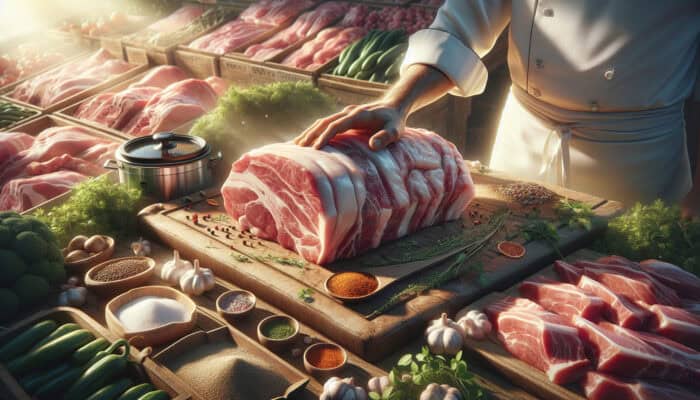
What Factors Should You Consider When Choosing Quality Meat for Pulled Pork?
When opting for pork for your pulled pork masterpiece, it is crucial to evaluate texture, fat content, and colour. The perfect cut should showcase a firm texture and outstanding marbling, both essential for achieving that coveted tenderness. Aim for cuts displaying a lively pink colour with minimal dark spots, as these may indicate inferior quality. Additionally, ensure the fat is evenly distributed throughout the meat, as this plays a significant role in enhancing flavour and moisture retention during cooking. By meticulously balancing these attributes, you can consistently create tender, juicy pulled pork that delights every palate.
Why is Fat Marbling Important for Moist and Tender Pulled Pork?
Fat marbling is a vital element in preserving moisture and flavour in your pulled pork throughout the cooking process. The intramuscular fat melts during slow cooking, enriching the meat with savoury flavours and contributing to that desirable tender texture. When selecting your cut, look for those with visible white fat streaks, as they typically result in a richer and more succulent dish. By incorporating marbled cuts into your pulled pork recipes, you can elevate your dish, ensuring a truly satisfying dining experience for all who partake.
How Does Aging Influence the Tenderness of Meat for Pulled Pork?
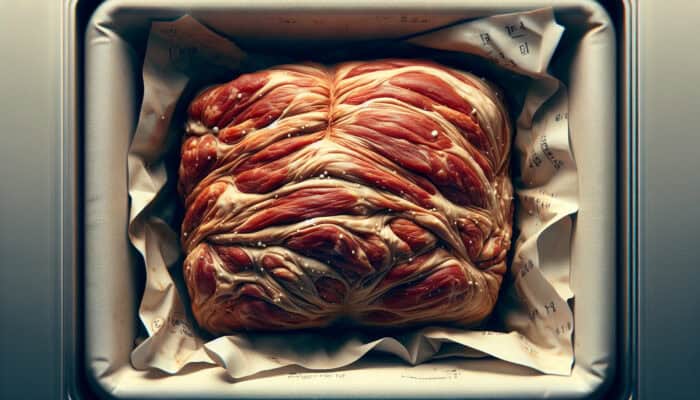
Properly aging pork can greatly improve both its tenderness and flavour profile. Aged meat typically presents a more concentrated flavour and a softer texture, making it perfect for pulled pork. Store your meat at a controlled temperature, ideally between 0°C and 2°C, for several days to allow natural enzymes to break down tough muscle fibres. Key techniques for maintaining quality during storage include:
- Vacuum sealing
- Wrapping in butcher paper
- Keeping it in the coldest section of the fridge
- Regularly checking for freshness
This aging process guarantees that your pulled pork is not only tender but also rich in flavour, creating a dish that will leave a memorable impression on your guests.
How Does the Animal's Breed Affect Meat Quality for Pulled Pork?
The breed of pork can significantly impact the quality of the meat. Breeds such as Wagyu are celebrated for their exceptional marbling, while Angus pork consistently delivers a desirable texture. In Australia, local breeds that thrive in diverse environments can produce flavourful and tender cuts, essential for crafting excellent pulled pork. When determining your recipe requirements, consulting with a knowledgeable butcher about local breeds will help ensure you select the finest cuts, leading to superior culinary outcomes.
Proven Techniques for Cooking Tender Pulled Pork at Home
Advanced Cooking Techniques to Perfect Your Pulled Pork
Diving into advanced cooking methods can elevate your pulled pork to extraordinary culinary heights. Slow roasting is a technique that facilitates even cooking while developing complex flavours. Start by seasoning your pork with a dry rub, then sear it in a hot pan to form a delicious crust. Once this is done, transfer the meat to an oven set to a low temperature (around 120°C) and cook it for several hours until it reaches the desired tenderness. Although this method requires time and patience, the results are undeniably rewarding, yielding a rich and satisfying dish that will impress even the most discerning of guests.
Effective Strategies for Maintaining Consistent Cooking Temperatures
Keeping a consistent temperature is critical to achieving perfectly cooked pulled pork. Using tools such as a digital meat thermometer can enable you to monitor the internal temperature with precision, preventing the risk of overcooking. The ideal internal temperature for pulled pork is around 93°C; at this point, the connective tissues will have adequately broken down, allowing for seamless shredding. Practical examples include utilising a smoker or slow cooker, both of which provide steady heat and allow for flavour infusion throughout the cooking process, ensuring every bite is infused with deliciousness.
Enhancing the Flavour Profile of Pulled Pork Delightfully
Layering flavours is essential for enriching your pulled pork experience. Begin with a robust spice rub and consider adding elements such as smoked paprika or cayenne pepper to introduce a touch of heat. Be mindful of common pitfalls like over-seasoning or under-seasoning, as balance is key. Furthermore, consider finishing sauces or dips that complement the pork's smoky flavour, such as a tangy vinegar-based sauce or a sweet barbecue glaze. This method creates a complex, satisfying dish that will leave a lasting impression on everyone at your table, ensuring your culinary efforts are truly worthwhile.
How to Choose and Prepare the Ideal Pork Cut for Pulled Pork?
When selecting pork cuts for tender pulled pork, focus on the shoulder or the butt. Trim excess fat to avoid greasiness while ensuring enough remains to guarantee moisture retention. Applying a brine before cooking can also enhance both flavour and juiciness, making a significant difference in the final dish. For the best quality meat, it is advisable to source your pork from reputable butchers who comprehend the intricacies of different pork cuts. Start by applying the rub and allowing the meat to rest before cooking; this ensures that all flavours meld beautifully, resulting in a truly delectable dish that will impress your guests.
What Techniques Ensure Tenderness in Your Pulled Pork?
How to Effectively Utilise Slow Cooking Methods for Maximum Tenderness?
Slow cooking is the cornerstone of creating tender pulled pork, as it effectively breaks down the connective tissues found in the meat. Whether you opt for a slow cooker, an oven, or a smoker, maintaining a low temperature allows the meat to cook evenly. Variations include using a Dutch oven for stovetop cooking or setting up a grill for indirect heat. Each method ensures that the meat remains moist and flavourful while offering the added benefit of hands-free cooking, allowing you to concentrate on preparing side dishes or sauces to accompany your succulent pulled pork.
Comparing Braising and Smoking: Which Cooking Method is Superior?
Braising and smoking are two distinct methods for preparing pulled pork, each offering unique advantages and flavour profiles. Braising involves slowly cooking meat in a small amount of liquid, which preserves moisture and beautifully infuses flavours. In contrast, smoking imparts a rich, smoky flavour profile that traditional cooking methods may not replicate. Here are the pros and cons of both techniques:
- Braising: Produces moist, tender meat; requires liquid
- Smoking: Delivers deep, complex flavours; requires a longer cooking time
- Braising: More accessible for beginners; can utilise various pots
- Smoking: Requires specific equipment; involves a longer learning curve
Experimenting with both methods can greatly enhance your culinary skills and expand your cooking repertoire, enabling you to discover the perfect technique that aligns with your preferences.
The Importance of Resting and Shredding in the Preparation of Pulled Pork
Allowing the meat to rest after cooking is essential for locking in juices before shredding. Once the pork reaches the ideal temperature, allow it to rest for 20–30 minutes, covered with foil. This resting period enables the juices to redistribute throughout the meat, ensuring that each serving is bursting with flavour and moisture. For shredding, use two forks or meat claws; be gentle to maintain the pork's texture, resulting in tender, pull-apart pieces that are perfect for serving, creating a delightful meal experience that everyone will appreciate.
Research-Backed Benefits of Cooking Tender Pulled Pork at Home
What Nutritional Advantages Does Pulled Pork Provide?
Pork is an excellent source of protein, along with essential nutrients such as B vitamins and iron. When prepared correctly, tender pulled pork can serve as a hearty and nutritious addition to a balanced diet. Furthermore, the fats present in pork can supply energy, catering to various dietary needs. Understanding how to cook pork at home empowers cooks to control the quality of ingredients, maximising health benefits and contributing to a well-rounded diet that promotes overall wellness and vitality.
How Does Pulled Pork Simplify Your Meal Planning Process?
The versatility of pulled pork makes it an ideal choice for meal planning, as leftovers can be effortlessly transformed into an array of dishes such as tacos, sandwiches, or salads. After cooking, it is crucial to store the pork properly to maintain its quality. When appropriately stored, pulled pork can last in the fridge for up to four days or in the freezer for several months, making it a practical option for busy families or meal preppers seeking to save time while enjoying delicious and satisfying meals.
Key Food Safety Guidelines for Preparing Pulled Pork Safely
Proper handling of pork is paramount to ensure safe consumption. Always wash your hands, utensils, and surfaces thoroughly after coming into contact with raw meat to prevent cross-contamination. Cook pork to a minimum internal temperature of 63°C to effectively eliminate harmful bacteria. By adhering to these hygiene practices, you can significantly reduce the risk of foodborne illnesses and ensure the safety of your meals, allowing you to relish your culinary creations with confidence and peace of mind.
Why is Monitoring Cooking Time Crucial for the Success of Pulled Pork?
What Signs Indicate When Your Pulled Pork is Ready to Serve?
Visual and textural cues are invaluable for determining the readiness of your pulled pork. Look for a deep brown hue and a fork-tender texture when assessing for doneness. Integrating these checks into your cooking routine will help you consistently achieve optimal results, minimising the chances of overcooking or undercooking the meat. This attention to detail ensures that every batch of pulled pork is prepared to perfection, delighting everyone at the dining table with its rich flavours and tender texture.
How to Effectively Adjust Cooking Times Based on Varying Meat Sizes?
Larger cuts of pork necessitate longer cooking times to ensure thorough preparation, so adjusting your cooking times based on weight is critical. A general guideline is to allocate around 90 minutes per kg for slow-cooked pork. For example, a 2 kg pork shoulder would require approximately 3 hours to reach the ideal tenderness. Keeping a reliable meat thermometer on hand will assist you in checking for doneness without risking overcooking, ensuring your pork is cooked just right and ready for you to enjoy.
Common Mistakes to Avoid When Preparing Pulled Pork
Overlooking cooking time can lead to dry, tough pulled pork. To avert this unfortunate outcome, focus on establishing timing checkpoints throughout the cooking process. Here are essential timing checkpoints to consider:
- Check the initial cooking duration
- Monitor internal temperature regularly
- Assess tenderness at the conclusion of the cooking time
- Allow sufficient resting time before shredding
By steering clear of these pitfalls, you can consistently achieve delicious results, allowing you to savour pulled pork at its finest, with each bite reflecting your culinary expertise.
The Advantages of Monitoring Cooking Time for Mastering Pulled Pork
In Australian cooking, accurately tracking cooking time guarantees that meals are optimally prepared, enhancing flavours and textures while preventing overcooking. By keeping a vigilant eye on the clock, you can improve your cooking efficiency, save energy, and maintain nutritional value. Practical examples include employing timers or smart devices that alert you when it is time to check your meat, promoting a hands-free cooking experience while you focus on other meal preparations, ensuring an enjoyable dining experience for all.
Serving and Storing Your Pulled Pork for Maximum Enjoyment
Pairing Pulled Pork with the Perfect Side Dishes for a Complete Meal
Complementing your pulled pork with the right side dishes can significantly enhance your overall meal experience. Classic accompaniments include coleslaw, cornbread, and pickled vegetables. These side dishes not only balance the richness of the pork but also add delightful texture to your offering. Consider exploring regional combinations based on local flavours, such as serving with spicy beans or grilled corn for a culinary contrast that elevates the overall dining experience, creating a truly memorable occasion for everyone at the table.
Best Practices for Storing Pulled Pork to Preserve Freshness
To maintain freshness and flavour, promptly cool and seal leftover pulled pork after serving. Store it in airtight containers in the refrigerator for up to four days. For longer-term storage, consider vacuum-sealing or tightly wrapping it in foil before placing it in the freezer. Proper storage not only extends the shelf life of your pulled pork but also preserves its delicious taste for future meals, ensuring you can savour its rich flavours time and again without sacrificing quality.
Effective Techniques for Reheating Pulled Pork Without Compromising Quality
Reheating pulled pork requires gentle methods to restore moisture while maintaining texture. Options include using a microwave with a splash of broth or reheating on the stovetop over low heat while stirring frequently. These techniques ensure that the pork stays juicy and tender, providing a quick and satisfying meal that is easy to enjoy even after it has been stored, making it a convenient option for busy weeknights when time is of the essence.
Essential Food Safety Guidelines When Serving Pulled Pork
Ensuring food safety is paramount when serving pulled pork. Always verify that the meat reaches the appropriate internal temperature before serving, and promptly refrigerate any leftovers to deter bacterial growth. It is crucial never to leave pulled pork at room temperature for more than two hours. Regularly clean surfaces and utensils involved in the cooking process to further minimise risks, ensuring a safe and enjoyable dining experience for all guests, allowing everyone to relish your culinary creations with confidence.
Best Practices for Freezing and Thawing Pulled Pork Safely
Learning effective methods for freezing pulled pork for later use can help retain its flavour and texture. Portion the pork into airtight containers, label them with the date, and freeze for up to 3 months. For safe thawing, transfer the containers to the refrigerator a day before use to preserve quality. Avoid refreezing once thawed to ensure safety and maintain taste, allowing you to enjoy your pulled pork at its best without losing any of its delectable qualities.
Frequently Asked Questions about Creating Perfect Pulled Pork
What is the best cut of pork for creating tender pulled pork?
The optimal cuts for tender pulled pork are typically pork shoulder or pork butt, as they contain ample marbling and connective tissue that break down beautifully during cooking, yielding succulent results.
How long should I cook pulled pork for optimal tenderness?
Pulled pork should be cooked for approximately 8 to 10 hours on low heat, or around 90 minutes per kg at a low temperature, depending on the cooking method employed to achieve the best results.
What are the best side dishes to complement pulled pork?
Pulled pork pairs wonderfully with sides like coleslaw, cornbread, pickled vegetables, or even grilled corn to balance its richness and elevate your overall meal experience.
Can I freeze leftover pulled pork for future use?
Yes, leftover pulled pork can be frozen for up to three months. Portion it into airtight containers and label with dates for future reference, ensuring easy access whenever you crave this delicious dish.
What is the best way to reheat pulled pork without drying it out?
Reheat pulled pork gently on the stovetop with a splash of broth, or use a microwave, ensuring it stays moist and tender for an enjoyable meal that tastes just as good as when it was first cooked.
What internal temperature should pulled pork reach for optimal tenderness?
Pulled pork should achieve an internal temperature of at least 93°C for optimal tenderness, ensuring that all connective tissues have fully broken down, resulting in a dish that is beautifully tender and flavourful.
How do I prevent pulled pork from being excessively greasy?
Trim excess fat from the pork before cooking, and avoid selecting an overly fatty cut to ensure your pulled pork remains flavourful without becoming greasy, providing a more enjoyable dining experience.
What are the advantages of marinating pulled pork?
Marinating pulled pork infuses it with flavour and aids in keeping it moist during cooking, resulting in a more tender and enjoyable dish that enhances the overall experience for everyone at the table.
How can I elevate the flavour of my pulled pork?
Layering flavours with a well-balanced spice rub, incorporating finishing sauces, and exploring various cooking methods, such as smoking or braising, can significantly enhance the overall taste of pulled pork, making each bite a delight.
How long can I store pulled pork in the refrigerator for maximum freshness?
Pulled pork can be safely stored in the refrigerator for up to four days when kept in airtight containers, ensuring it remains fresh for future meals and retains its delicious qualities.
Join our Facebook community for more tips and recipes!
The post How to Cook Tender Pulled Pork at Home: Simple Tips appeared first on https://cookinggods.com
The Article Tender Pulled Pork: Simple Tips for Perfect Home Cooking Was Found On https://limitsofstrategy.com
The Article Tender Pulled Pork: Easy Tips for Perfect Home Cooking found first on https://electroquench.com