Discover How Essential Hormones Impact Male Weight Management Effectively
Exploring Testosterone's Vital Role in Effective Weight Management

What Hormones Affect Male Weight: Testosterone is an essential hormone that plays a crucial role in managing muscle mass and fat distribution for men throughout the UK. When testosterone levels decline, many men face unsettling increases in body fat, which can be both distressing and challenging to manage. Research from the NHS highlights a strong correlation between low testosterone levels and weight gain, particularly concerning the prevalent diets in the UK that may exacerbate hormonal imbalances. For instance, men aged 30 to 40, who typically lead less active lifestyles and consume high amounts of processed foods, frequently report increased weight gain attributed to decreased testosterone production.
The influence of testosterone on body composition is particularly significant. Men with optimal testosterone levels usually maintain healthier weights, as this hormone is integral to the body’s ability to efficiently burn fat and build muscle. Furthermore, various health surveys conducted across the UK indicate that men engaged in regular strength training can effectively mitigate the adverse effects of low testosterone, underscoring the importance of making informed lifestyle choices for successful weight management.
How Does Cortisol Affect Male Body Composition and Weight Regulation?
Cortisol, commonly referred to as the stress hormone, plays a significant role in influencing male weight due to its association with abdominal fat accumulation. In urban areas across the UK, rising cortisol levels induced by stress—often a result of fast-paced lifestyles—are linked to problematic weight gain. Research published in British medical journals indicates that chronic stress leads to elevated cortisol levels, contributing to excessive weight gain around the midsection. This issue has become increasingly relevant in the post-pandemic era, especially in bustling cities like London, where stress levels have surged dramatically.
Moreover, unhealthy lifestyle choices, including poor nutrition, insufficient physical activity, and inadequate sleep, further exacerbate cortisol's impact on body weight. For example, many men in the UK work extended hours and encounter substantial job-related stress, often leading to unhealthy coping mechanisms such as overeating or indulging in high-calorie convenience foods. Addressing these lifestyle factors is crucial for effectively managing cortisol levels, as prolonged elevated levels of this hormone can result in severe health complications, including obesity and other metabolic disorders.
What Is Insulin’s Role in Male Metabolism and Weight Gain Management?
Insulin serves as a fundamental hormone in regulating blood sugar levels and fat storage, making it essential to consider when addressing male weight issues. In the UK, many men experience challenges with insulin resistance, often linked to high-carbohydrate diets that dominate modern eating habits. Reports from Public Health England indicate that the regular consumption of sugary snacks and refined carbohydrates can trigger insulin spikes, ultimately facilitating fat storage and promoting weight gain.
The relationship between insulin resistance and weight gain is particularly concerning for men, as it often signals the emergence of various metabolic disorders. For instance, numerous men diagnosed with type 2 diabetes in the UK report weight gain as a significant symptom. Effectively managing insulin levels through dietary modifications—such as opting for whole foods and committing to regular physical activity—can be crucial for maintaining a healthy weight. Understanding insulin's role in the body provides valuable insights into the metabolic functions that significantly influence male weight management and overall health.
Insights from Experts on Hormones Affecting Male Weight Management

Identifying Hormonal Imbalances Impacting Adult Males Across the UK
Experts from the Royal College of Physicians emphasise that hormonal imbalances, particularly those involving oestrogen, can profoundly affect adult male weight in the UK. While oestrogen is often associated with female physiology, it is also present in men, and any imbalance can lead to increased fat accumulation and subsequent weight gain. Men experiencing symptoms such as increased breast tissue or alterations in libido should consider consulting healthcare professionals for comprehensive hormone evaluations, in accordance with UK health guidelines.
Taking proactive steps to understand and manage hormonal health is vital for maintaining overall wellness. Regular screenings for hormonal levels, alongside a balanced diet and a healthy lifestyle, are essential components of this strategy. Men should strive to incorporate more physical activity into their daily routines while also being mindful of their dietary habits to sustain hormonal balance and optimise their health.
Understanding the Impact of Growth Hormone on Weight Management
Growth hormone (GH) plays a significant role in metabolism and body composition for men in the UK. As men age, their natural GH production tends to decline, leading to increased body fat and diminished muscle mass. Research from various British universities shows that this age-related decline in growth hormone can notably impact metabolic rates, making it increasingly challenging for older men to maintain a healthy weight. For instance, older men often report experiencing greater difficulty in losing weight, even when adhering to comparable dietary patterns as their younger counterparts.
The consequences of declining GH levels are extensive; they not only affect physical appearance but also have broader health implications. Men with low GH levels may experience reduced energy, diminished exercise capacity, and a lower overall quality of life. Engaging in strength training and high-intensity interval workouts can stimulate GH production, supporting weight management and promoting better overall health.
Thyroid Hormones and Their Critical Role in Male Weight Regulation
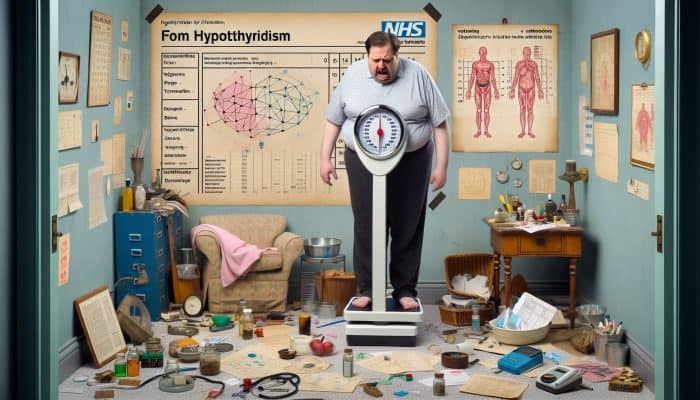
The role of thyroid hormones in weight regulation is crucial, particularly for men in the UK who may be unaware of underlying thyroid issues. Conditions such as hypothyroidism, characterised by insufficient thyroid hormone production, can lead to weight gain and obstruct weight loss efforts. Real-world data derived from NHS patient records suggest that many men diagnosed with thyroid dysfunction frequently report significant fluctuations in weight, often resulting in frustration as they strive to manage their health effectively.
Thyroid hormones are integral to regulating the body's metabolism, thereby affecting the efficiency of calorie burning. When thyroid hormone levels are low, metabolic processes slow down, making it easier for men to gain weight. The NHS recommends regular thyroid function tests for men, particularly if they exhibit symptoms such as fatigue, weight gain, or mood fluctuations. Addressing thyroid health not only aids in weight management but also enhances overall well-being and energy levels, which are essential for maintaining an active lifestyle.
How Do Hormones Influence Male Weight Gain?
What Factors Trigger Hormonal Fluctuations in UK Men?
In the UK, hormonal fluctuations frequently stem from lifestyle choices, such as poor diet and lack of physical activity, contributing to significant weight gain. Factors like increased consumption of processed foods and a sedentary lifestyle are directly linked to declining testosterone and rising cortisol levels, as highlighted in numerous British health reports. These hormonal changes can create a cycle of weight gain that becomes progressively more difficult to break.
Additionally, psychological factors such as stress and anxiety can exacerbate these fluctuations. Many men facing job-related pressures or personal challenges may resort to food for comfort, further complicating their hormonal health. It is essential for men to recognise these patterns and adopt healthier coping mechanisms that promote better hormonal balance and effective weight management.
How Do Hormones Affect Fat Storage in the Body?
Hormones such as leptin significantly influence fat storage in men throughout the UK. Leptin, produced by fat cells, plays a critical role in regulating energy balance by signalling fullness to the brain. However, lifestyle factors, including high-sugar and refined-carbohydrate diets, can disrupt leptin signalling, leading to increased fat accumulation. For example, men consuming nutritionally deficient diets may find their leptin levels ineffective, resulting in further weight gain and challenges in shedding excess fat.
Moreover, specific dietary habits prevalent in the UK can directly affect how hormones regulate fat storage. Regions characterised by high consumption of fried foods and sugary drinks report a greater prevalence of obesity-related conditions among men, underscoring the urgent need for dietary improvements. Gaining a deeper understanding of how leptin and other hormones interact with dietary choices can empower men to make informed decisions that support healthy weight management.
What Hormones Are Linked to Appetite Control in Males?
In the UK, ghrelin is a hormone that plays a crucial role in stimulating appetite, which can subsequently lead to weight gain. Often referred to as the “hunger hormone,” ghrelin levels rise before meals and decline after eating. However, factors such as shift work and irregular eating patterns can elevate ghrelin levels, potentially leading to increased food intake and consequent weight gain. Men working late hours or with inconsistent meal schedules may struggle to regulate their appetite, contributing to unhealthy weight fluctuations.
Additionally, the psychological aspects of food choices should not be overlooked. Many men find themselves grappling with emotional eating, particularly in high-stress environments, which can further disrupt ghrelin levels. Identifying triggers and establishing a consistent eating schedule can help mitigate these effects and promote healthier weight management.
How Does Testosterone Influence Male Weight Regulation?
Testosterone directly impacts weight in men across the UK by promoting muscle growth and enhancing fat metabolism. When testosterone levels decline due to factors such as ageing, stress, or a sedentary lifestyle, an increase in body fat often ensues. British health studies consistently indicate that men with lower testosterone levels tend to exhibit a higher percentage of body fat, particularly in the abdominal region. This pattern underscores the importance of maintaining an active lifestyle and incorporating strength training as effective strategies to boost testosterone levels and counteract potential weight gain.
Additionally, men should be mindful of lifestyle choices that promote healthy testosterone levels. Regular physical activity, a balanced diet rich in essential nutrients, and adequate sleep are critical elements in fostering testosterone production. By prioritising these factors, men can significantly enhance their body composition and overall health, fostering a sustainable approach to weight management.
How Does Insulin Influence Weight Gain in UK Males?
Insulin plays a pivotal role in regulating blood sugar levels and fat storage. In the UK, rising insulin levels among many men can be attributed to diets high in refined carbohydrates, which can lead to substantial weight gain. When insulin levels surge due to excessive sugar intake, the body is prompted to store excess glucose as fat, particularly around the midsection. Genetic factors and lack of physical activity further complicate these issues, creating a challenging environment for effective weight management.
To combat insulin-related weight gain, men should focus on dietary strategies that emphasise whole foods and balanced meals. Minimising sugary snacks and opting for healthier carbohydrate sources can help stabilise insulin levels. Incorporating regular physical activity not only helps burn excess fat but also enhances insulin sensitivity, promoting better weight control and overall metabolic health.
Examining Testosterone Levels and Their Impact on Male Weight Management
How Do Low Testosterone Levels Affect Weight Management?
Low testosterone levels in men throughout the UK correlate with increased body fat, particularly visceral fat, which is associated with various health risks. Studies conducted in Britain have established a connection between low testosterone levels and sedentary employment, where reduced physical activity contributes to weight gain. This relationship emphasises the importance of recognising testosterone’s role in maintaining a healthy weight and managing body composition effectively.
Moreover, men with low testosterone levels may face greater challenges in losing weight, as hormonal imbalances hinder metabolic processes. Therefore, addressing testosterone levels through lifestyle modifications or medical interventions can provide significant advantages for weight management and overall health, enabling men to better navigate their weight loss journeys.
What Symptoms Indicate Testosterone-Related Weight Issues?
Men in the UK experiencing weight issues linked to low testosterone levels often present a variety of symptoms. Key indicators include:
- Increased body fat, particularly in the abdominal area
- Low energy levels and ongoing fatigue
- Reduced libido or sexual dysfunction
- Difficulty concentrating or experiencing mood fluctuations
Recognising these symptoms early can facilitate timely intervention and support, improving not just weight management but also overall quality of life, allowing men to feel more in control of their health and well-being.
What Treatments Are Available for Testosterone Imbalances to Aid Weight Loss?
Several treatments accessible through clinics in the UK can effectively restore testosterone balance, assisting with weight loss. Evidence from local trials indicates that men undergoing testosterone replacement therapy often experience notable reductions in body fat and improvements in muscle mass. This approach, combined with lifestyle changes, can be particularly advantageous for managing weight and enhancing overall health.
Men considering treatment options should consult healthcare providers to explore personalised strategies that align with their health objectives. Regular monitoring and adjustments to therapy can further optimise outcomes, ensuring that men achieve sustainable weight management and improved hormonal health.
Understanding the Functions of Cortisol in Weight Management
How Does Cortisol Affect Male Energy Levels and Weight Control?
Cortisol disrupts energy levels in men across the UK, frequently leading to weight gain. High-stress environments, such as demanding workplaces, elevate cortisol levels, resulting in increased appetite and cravings for unhealthy foods. As cortisol levels rise, the body’s ability to manage energy efficiently diminishes, creating a cycle of fatigue and weight gain that can be challenging to break.
Recognising the connection between stress and cortisol is vital for men striving to maintain their weight. By implementing stress management techniques—such as mindfulness practices, regular exercise, and sufficient sleep—men can mitigate the negative effects of cortisol on energy levels and overall weight, leading to a healthier lifestyle.
How to Effectively Manage Cortisol Levels for Improved Weight Control?
Utilising strategies such as regular exercise and stress-reduction techniques can significantly assist in regulating cortisol levels in men across the UK. Engaging in activities like yoga, meditation, or even simple breathing exercises fosters relaxation and helps lower cortisol. The benefits of these practices extend beyond weight management, contributing to overall well-being and mental health, which are essential for a balanced life.
Moreover, incorporating physical activity into daily routines can effectively manage cortisol levels. Men should aim to include strength training and cardiovascular workouts in their schedules, as these have been shown to alleviate stress and enhance hormonal balance. Adopting a comprehensive strategy for cortisol management is essential for achieving and sustaining a healthy weight over the long term.
What Are the Long-Term Weight Implications of Elevated Cortisol Levels?
Prolonged elevation of cortisol levels in the UK has been associated with persistent weight challenges. High cortisol can alter metabolic rates and increase fat storage, particularly around the abdominal area. Additionally, the interplay between diet and cortisol levels can exacerbate these issues, as unhealthy eating habits can trigger further cortisol release, creating a detrimental cycle of weight gain that is difficult to escape.
To counteract this, men must adopt a holistic approach that includes nutritious eating, stress management, and regular exercise. Proactively managing cortisol levels can enhance weight management and overall health outcomes, ultimately leading to a better quality of life.
Research-Backed Advantages of Hormones Affecting Male Weight
How Do Balanced Hormones Enhance Lifestyles for UK Men?
Maintaining balanced hormones is crucial for effective weight control among men in the UK. Research from British institutions shows that men with balanced hormone levels exhibit higher metabolic rates and greater energy levels, contributing to successful weight management. The interaction of various hormones ensures optimal body function, enabling men to maintain their ideal weight and overall health.
For many men, achieving hormonal balance may necessitate lifestyle adjustments. Regular exercise, a nutritious diet, and adequate sleep are fundamental components that help sustain hormone levels. Men committed to making these changes often observe significant improvements in their overall health and well-being, ultimately leading to a more fulfilling life.
What Are the Benefits of Hormone Therapies for Weight Management?
Hormone therapies, as supported by UK studies, offer substantial weight benefits for men experiencing hormonal imbalances. Testosterone replacement therapy, for instance, has demonstrated effectiveness in assisting with weight loss and muscle gain among men suffering from low testosterone levels. To access these treatments, men should consult healthcare professionals to explore available options and tailor a plan that suits their individual needs.
Moreover, being informed about the various therapies available can empower men to take control of their hormonal health. Regular health check-ups and discussions about hormone levels should be integral to a comprehensive health strategy aimed at maintaining an optimal weight and promoting overall wellness.
Why Is Monitoring Hormones Essential for Maintaining a Healthy Weight?
Regular monitoring of hormone levels in the UK is vital for effective weight management. Men should consider incorporating hormone checks into their health routines to remain aware of any fluctuations that could impact their weight. Essential tips for hormone monitoring include:
- Scheduling regular health checks with a general practitioner
- Maintaining a journal of symptoms and lifestyle changes
- Discussing dietary habits with a nutritionist
- Staying informed about hormonal health and its implications
By actively managing hormone levels, men can significantly enhance their weight maintenance efforts and overall health outcomes, leading to a more balanced and healthy lifestyle.
How Does Testosterone Influence Male Weight Regulation?
Testosterone significantly affects weight in UK men by influencing fat storage patterns and muscle development. British medical literature highlights the advantages of maintaining optimal testosterone levels, emphasising improved metabolism and effective weight management. Men should explore lifestyle strategies to enhance testosterone production, such as regular exercise and a balanced diet rich in healthy nutrients.
Adopting a comprehensive approach to hormonal health not only supports weight management but also enhances vitality and overall well-being, underscoring the importance of prioritising hormonal health for men in their daily lives.
Which Hormones Facilitate Weight Loss in Men?
Identifying Hormones That Promote Fat Burning in UK Males
Certain hormones, including adrenaline and growth hormone, assist men in the UK in losing weight. Adrenaline triggers fat burning by increasing the rate of energy consumption during physical activity. This hormone becomes particularly pivotal during high-intensity workouts, where energy demands soar. Local health statistics indicate that men who regularly engage in high-intensity interval training can leverage these hormonal responses to enhance fat loss.
Understanding the functioning of these hormones daily can inform more effective weight management strategies. Men should consider incorporating activities that stimulate these hormones into their routines, such as resistance training and cardiovascular exercises, to support their weight-loss efforts and overall fitness.
What Role Does Adrenaline Play in Weight Reduction?
Adrenaline is a powerful hormone that stimulates fat burning during physical activity in UK males. Upon the release of adrenaline, the body mobilises fat stores for energy, thereby effectively aiding in weight loss. The physiological effects of adrenaline can elevate metabolic rates, particularly during exercise, illustrating the connection between physical activity and hormonal regulation in the body.
Men looking to maximise the fat-burning potential of adrenaline should engage in cardiovascular and high-intensity workouts. As adrenaline is released during these activities, men can efficiently utilise their body’s energy reserves, promoting weight loss and improving fitness levels.
How Do Hormones Influence Exercise-Induced Weight Loss?
In the UK, hormones such as endorphins contribute to weight loss through exercise. During physical activity, endorphins are released, inducing a feeling of euphoria that encourages ongoing fitness engagement. British fitness programmes frequently highlight the positive effects of exercise on hormonal health, showcasing how endorphins enhance motivation and adherence to workout routines.
Additionally, the psychological benefits of exercise, driven by endorphin release, can significantly support weight loss efforts. Men should prioritise regular physical activity for its direct caloric burn as well as the hormonal advantages that facilitate sustained weight management and overall well-being.
How Does Testosterone Facilitate Male Weight Loss?
In the UK, testosterone contributes to weight loss by enhancing muscle mass and metabolism in men. This hormone significantly influences fat distribution and energy levels, making it a crucial factor in effective weight management strategies. British health studies have shown that maintaining optimal testosterone levels correlates with improved metabolic outcomes, facilitating weight loss and encouraging healthy body composition.
Incorporating strength training and cardiovascular exercise into regular routines can help elevate testosterone levels, further enhancing weight-loss potential. By prioritising testosterone health, men can develop a more effective approach to weight management while improving their overall fitness and quality of life.
What Are the Effects of Thyroid Hormones on Weight Reduction?
Thyroid hormones are essential for regulating metabolism in UK males, facilitating weight loss by increasing calorie expenditure. Imbalances in thyroid hormone levels may hinder weight-loss efforts, leading to frustration among men trying to shed excess pounds. Optimal thyroid function is vital for maintaining an efficient metabolism, as evidenced by local medical research and NHS guidelines.
Men experiencing symptoms indicative of thyroid dysfunction should seek appropriate testing and medical advice. By restoring balance in thyroid hormone levels, men can improve their weight-loss efforts and overall health outcomes, underscoring the crucial role of hormonal health in effective weight management and well-being.
Lifestyle Factors That Influence Hormonal Balance in the UK
How Does Diet Impact Male Hormones and Weight Management?
In the UK, diets rich in processed foods can disrupt hormonal balance, significantly impacting weight management. Nutrition plays a key role in maintaining hormonal health, as the quality of the food consumed directly influences hormone production and function. Unhealthy dietary choices can lead to elevated insulin and cortisol levels, contributing to weight gain among men.
To foster hormonal balance, men should prioritise whole foods and balanced meals. Incorporating ample fruits, vegetables, lean proteins, and healthy fats can help optimise hormone levels and enhance weight management efforts. A focus on nutrition is essential for achieving lasting health and maintaining a healthy weight, thus promoting overall well-being.
What Role Does Exercise Play in Hormone Regulation for Effective Weight Management?
Physical activity within the UK is crucial for regulating hormones essential for weight management. Men should aim to integrate a diverse range of exercises into their routines, including cardiovascular workouts, strength training, and flexibility exercises. Recommended forms of exercise include:
- Weight lifting or resistance training
- High-intensity interval training (HIIT)
- Walking or jogging
- Yoga or Pilates
By engaging in regular physical activity, men can promote hormonal balance, supporting both weight management and overall health. Exercise not only helps maintain a healthy weight but also enhances mood and energy levels, fostering a holistic approach to well-being and fitness.
How Does Sleep Impact Hormonal Control Over Weight Management?
In the UK, poor sleep patterns can significantly affect hormonal balance, leading to weight gain. Insufficient rest disrupts the equilibrium of hormones such as cortisol, ghrelin, and leptin, which are vital for appetite regulation and metabolism. Men who experience inadequate sleep often report heightened cravings and a greater propensity to overeat, particularly unhealthy foods, which can complicate their weight management efforts.
To enhance hormonal health, men should prioritise sleep hygiene practices. Establishing a consistent sleep schedule, creating a calming bedtime routine, and minimising screen exposure before sleep can improve sleep quality. By addressing sleep issues, men can support better hormonal balance and facilitate effective weight management, ultimately leading to improved health outcomes.
Effective Strategies for Managing Hormone-Related Weight Issues
What Strategies Can Help Achieve Hormonal Balance in UK Men?
Implementing practical strategies can help UK men effectively manage hormones for weight control. Adopting a holistic approach that encompasses nutrition, exercise, and stress management is vital. Key strategies include:
- Consuming a balanced diet abundant in whole foods
- Engaging in regular physical activity
- Practising stress-reduction techniques, such as meditation
- Prioritising quality sleep for optimal health
By implementing these strategies, men can pave the way for improved hormonal balance and enhanced weight management. Regular monitoring and adjustments to lifestyle habits can further optimise outcomes, ensuring men reach their health goals and maintain long-term wellness.
How Can Professional Support Aid in Managing Weight and Hormones?
Seeking assistance from specialists in the UK can significantly benefit men in managing hormone-related weight issues. Consultations with healthcare providers offer personalised guidance tailored to individual health requirements. The advantages of professional support include access to diagnostic testing, treatment options, and ongoing monitoring, all of which are crucial for effective weight management and hormonal health.
Furthermore, collaborating with nutritionists or personal trainers can provide additional support, helping men develop strategies that align with their health aspirations. Engaging professional support empowers men to better control their hormonal health and weight management, fostering a proactive approach to their overall wellness.
What Are the Best Practices for Long-Term Maintenance of Hormonal Health?
Maintaining stable hormone levels is essential for ensuring weight stability among men in the UK. Consistent practices recommended by health authorities, such as regular health screenings, dietary assessments, and lifestyle monitoring, can help sustain hormonal balance. Men should integrate these practices into their health routines to support long-term weight management and overall well-being.
By prioritising hormonal health, men can achieve and maintain a healthy weight while also enhancing overall well-being. Commitment to these practices ensures men are proactive in managing their health and wellness, ultimately leading to a more fulfilling life.
FAQs About Hormones and Male Weight Management
What Are the Key Hormones That Influence Male Weight?
The primary hormones affecting male weight include testosterone, cortisol, and insulin. These hormones play significant roles in regulating metabolism, fat storage, and muscle mass, making them crucial for effective weight management.
How Does Testosterone Influence Weight Management in Men?
Testosterone is crucial for regulating muscle mass and fat distribution. Low testosterone levels can lead to weight gain, particularly around the abdomen, underscoring the importance of effective weight management in men.
What Impact Does Cortisol Have on Male Body Composition?
Cortisol, known as the stress hormone, can lead to increased abdominal fat storage. Chronic stress elevates cortisol levels, contributing to weight gain among men in the UK.
How Does Insulin Resistance Affect Male Weight Management?
Insulin resistance, often caused by high-carbohydrate diets, can promote weight gain by facilitating fat storage and increasing appetite in men, further complicating their weight management efforts.
What Symptoms Are Associated with Low Testosterone in Men?
Symptoms of low testosterone include increased body fat, fatigue, decreased libido, and mood changes. Recognising these symptoms early can facilitate timely intervention and support, ultimately improving overall quality of life.
How Can Men Manage Cortisol Levels for Improved Weight Control?
Men can manage cortisol through regular exercise, stress-reduction techniques such as meditation, and a healthy lifestyle to promote hormonal balance, ultimately aiding in weight management.
What Role Does Diet Play in Supporting Hormonal Health?
A balanced diet rich in whole foods is essential for hormonal health, as it optimises hormone production and function, which is crucial for effective weight management and overall health.
How Can Exercise Impact Male Hormonal Balance?
Regular physical activity helps regulate hormones such as testosterone and cortisol, improving overall hormonal balance and supporting effective weight management among men.
What Treatment Options Are Available for Testosterone Imbalances?
Treatment options for testosterone imbalances may include hormone replacement therapy and lifestyle changes, both of which can significantly improve weight management and overall health outcomes.
How Critical Is Sleep for Maintaining Hormonal Balance?
Quality sleep is vital for sustaining hormonal balance, as insufficient sleep can disrupt hormones that regulate appetite and metabolism, leading to weight gain and other health issues.
Connect with us on Facebook!
This Article Was First Found On https://bloodtest.co.uk
The Article Hormones Affecting Male Weight: Essential Factors Uncovered Was Found On https://limitsofstrategy.com
The Article Hormones Affecting Male Weight: Key Influences Revealed found first on https://electroquench.com