Uncover the Eco-Friendly Advantages of Choosing Bamboo Brushes
What Sustainable Materials Are Utilised in the Crafting of Bamboo Brushes?
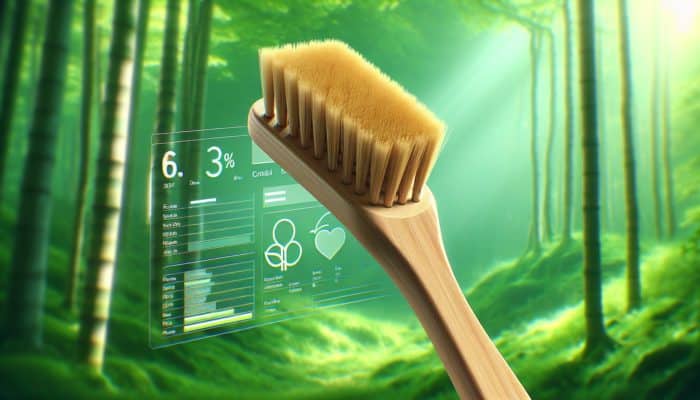
Opting for bamboo brushes demonstrates a true dedication to sustainability, as these remarkable tools are predominantly made from natural, plant-derived materials. The handle is crafted from bamboo, a remarkably quick-growing and renewable resource that plays an essential role in supporting environmental conservation efforts. The bristles are typically made from various natural fibres, such as plant-based nylon and vegetable fibres. This environmentally conscious manufacturing process not only ensures durability but also greatly diminishes the ecological footprint commonly associated with traditional brush production. By selecting bamboo, consumers actively endorse sustainable practices and contribute to a healthier planet.
What Essential Features Distinguish the Design of Bamboo Brushes?
The design of bamboo brushes encompasses several critical features that enhance their practicality and efficiency. Key attributes include:
- Bristles: Composed of sustainable fibres that guarantee effective cleaning capabilities for a variety of applications.
- Handles: Made from robust bamboo, ensuring a comfortable and secure grip during use.
- Ergonomic Design: Carefully crafted for user comfort, minimising strain even during extended usage.
- Natural Finishes: Often left untreated or finished with eco-friendly oils, preserving the bamboo's inherent integrity.
These characteristics highlight the versatility and user-friendly nature of bamboo brushes, rendering them suitable for a wide array of tasks, from personal grooming to household cleaning chores.
What Benefits Emerge from Integrating Bamboo into Brush Manufacturing?
The incorporation of bamboo into brush production yields numerous advantages, particularly regarding enhancing product durability. The natural growth cycle of bamboo supports an eco-friendly manufacturing process, significantly reducing waste. Its rapid growth allows for harvesting without depleting natural resources, establishing bamboo as a viable alternative to synthetic materials. This sustainable approach not only guarantees long-lasting products but also promotes a healthier environment overall.
How Do Bamboo Brushes Contribute to Environmental Sustainability?

The environmental advantages of utilizing bamboo brushes are extensive and profound. By choosing bamboo over traditional materials, consumers actively participate in reducing plastic waste, as these brushes naturally decompose over time. Sustainable bamboo harvesting practices not only support biodiversity but also contribute to lower carbon emissions, vital for fostering a greener lifestyle. Selecting bamboo brushes epitomises a commitment to eco-friendly practices and aligns with the quest for a sustainable future, making them a responsible choice for environmentally conscious individuals.
How Should You Care for and Maintain Your Bamboo Brushes?
To guarantee optimal performance and longevity of bamboo brushes, diligent maintenance is crucial. Users should routinely clean their brushes using mild soap and water, steering clear of harsh chemicals that could compromise the bamboo fibres. It is advisable to store brushes upright in a dry location to prevent warping or degradation. Furthermore, conditioning the bamboo with natural oils periodically can help maintain its integrity. By adhering to these straightforward care practices, users can maximise the eco-friendly benefits of their bamboo brushes and enjoy their functionality for an extended period.
In What Ways Does Using Bamboo Brushes Foster Environmental Health?
What Role Does Bamboo Play in Promoting Resource Conservation?

The rapid growth of bamboo is critical for resource conservation, particularly in terms of soil preservation and water retention. As a swiftly renewable material, bamboo significantly alleviates ecological pressure through efficient sourcing, resulting in a reduced carbon footprint. Its cultivation supports soil health, an essential aspect of sustainable agricultural practices globally. By choosing bamboo products, consumers contribute to a more sustainable future while enjoying high-quality alternatives that reflect their values.
What Is the Significance of Natural Processing in Producing Bamboo Brushes?
By avoiding harmful chemicals during the processing of bamboo for brushes, manufacturers promote a cleaner production cycle that aligns with sustainable practices. Natural processing techniques significantly minimise the pollution typically associated with conventional manufacturing methods. By embracing these eco-friendly methods, manufacturers can create high-quality brushes that resonate with environmentally aware consumers, ensuring a commitment to sustainability throughout the entire production process.
What Are the Long-Term Effects of Using Bamboo Brushes on Reducing Waste?
The use of biodegradable bamboo brushes leads to a considerable reduction in landfill waste. Bamboo naturally decomposes, fostering a cycle that promotes healthier ecosystems over time. As consumers become increasingly aware of their environmental footprint, transitioning to biodegradable choices like bamboo can play a critical role in achieving global waste reduction goals. This shift not only benefits the environment but also encourages a culture of sustainability in consumer behaviours.
Expert Recommendations for Adopting Bamboo Brushes
What Practical Steps Should You Follow When Selecting Bamboo Brushes?
When choosing bamboo brushes, understanding quality indicators is essential. Look for brushes with bristles that exhibit natural flexibility and density, as these features enhance functionality. Additionally, inspecting the handle for a smooth finish and ergonomic design ensures comfort during use. Real-world examples include identifying reputable brands that prioritise sustainable sourcing, enabling consumers to make informed and responsible choices. This diligence not only supports quality but also fosters sustainability within the industry.
What Key Factors Should Be Considered for Natural Maintenance Practices?
Experts recommend adopting gentle cleaning methods to preserve the integrity of bamboo brushes. Using warm water and mild soap prevents degradation, while air-drying ensures that moisture does not compromise the materials. Integrating these techniques into regular cleaning routines can significantly extend the lifespan of the product, providing excellent user value while supporting eco-friendly practices. By prioritising care, users can enjoy their bamboo brushes for longer and maintain their effectiveness.
How Do Experts Evaluate the Versatility of Bamboo Brushes?
Bamboo brushes are widely recognised for their versatility across a broad spectrum of tasks, from personal grooming to household cleaning. Experts suggest leveraging bamboo's natural properties, such as its moisture resistance and hypoallergenic characteristics, in various contexts. This versatility not only addresses a wide range of user needs but also reinforces bamboo's appeal as a sustainable material, making it a preferred choice for numerous households.
What Are the Natural Advantages of Employing Bamboo Brushes?
Why Is Bamboo Viewed as a Durable Choice for Daily Use?
The inherent strength of bamboo significantly contributes to its durability, establishing it as a reliable option for everyday tasks. Unlike many synthetic alternatives, bamboo's natural resilience allows it to withstand wear and tear effectively, ensuring longevity. This durability supports consistent use while promoting a lightweight, natural feel that users appreciate in their daily routines. By opting for bamboo, consumers not only benefit from its strength but also support sustainable practices.
How Do Bamboo's Natural Characteristics Compare to Other Materials?
The advantages of bamboo over other materials are numerous, including:
- Hypoallergenic Nature: Reduces skin irritation for sensitive users.
- Moisture Resistance: Bamboo resists water damage, enhancing overall durability.
- Biodegradability: Breaks down naturally without harming the environment.
- Non-Toxic: Safe for users, avoiding harmful chemicals often found in synthetic brushes.
These characteristics elevate user comfort and overall performance, reinforcing bamboo's position as a superior alternative in personal care and cleaning products.
How Does Bamboo Enhance Daily Experiences?
The smooth texture of bamboo improves handling, leading to a more enjoyable user experience. This natural feel provides better grip and control, making tasks more efficient and pleasurable. Furthermore, bamboo brushes foster a connection to nature, enriching daily activities through their aesthetic and functional qualities. This connection is increasingly valued in a world where consumers seek meaningful and sustainable choices.
What Are the Best Practices for Utilising Bamboo Brushes?
How Should Users Store Bamboo Brushes Correctly?
Proper storage is vital for maintaining the integrity of bamboo brushes. Keeping them in dry areas prevents warping and damage, ensuring they retain their natural form and functionality. Storing brushes upright in a well-ventilated space allows air circulation, further promoting longevity without the need for added chemicals. This simple yet effective storage method ensures that bamboo brushes remain in excellent condition for prolonged use.
What Techniques Should Be Utilised for Effective Cleaning Methods?
Regular rinsing with water is crucial for preserving bamboo’s natural oils and properties. This straightforward routine promotes hygiene while extending the lifespan of the brushes. Incorporating natural cleaning agents, such as vinegar or baking soda, can enhance the cleaning process without compromising the material’s integrity, ensuring eco-friendly practices are upheld. By adopting these methods, users can effectively and sustainably maintain their bamboo brushes.
How Can Bamboo Brushes Be Incorporated Into Sustainable Routines?
Bamboo brushes can easily be integrated into daily practices, promoting habits that align with the principles of natural living. Incorporating them into personal grooming or cleaning rituals encourages a transition towards sustainability and eco-conscious choices. By favouring bamboo over synthetic alternatives, users actively contribute to reducing environmental harm while enjoying effective, stylish alternatives that reflect their values and lifestyle.
Research-Backed Benefits of Naturally Using Bamboo Brushes
What Evidence Supports Bamboo's Eco-Efficiency?
The rapid regeneration of bamboo is well-documented, significantly lowering resource demands. This regenerative capability provides a solid foundation for its use in brushes, resulting in a smaller environmental impact compared to conventional materials. As consumers become more ecologically conscious, the appeal of bamboo as a sustainable option continues to rise, reinforcing its role in promoting environmental responsibility.
What Are Expert Insights on the Health Benefits of Bamboo Brushes?
Expert recommendations for enhancing personal well-being through bamboo brushes include selecting products that avoid synthetic additives. These natural materials provide safer options, especially for individuals with sensitivities or allergies. By prioritising bamboo, users can leverage health benefits while enjoying effective cleaning solutions, ensuring their personal care routines are both safe and sustainable.
What Insights Are Gained from Material Studies on the Longevity of Bamboo Brushes?
Research indicates that the density of bamboo offers superior wear resistance, making it an ideal choice for sustainable, natural performance. Experts assert that users can depend on bamboo brushes for extended periods, benefiting from their durability while supporting eco-friendly practices in their daily lives. This longevity underscores the value of bamboo as a material that not only performs exceptionally but also contributes to environmental sustainability.
What Do Studies Reveal About Bamboo's Antibacterial Properties in Brushes?
Bamboo's natural antimicrobial properties significantly diminish bacterial growth on brushes, enhancing user hygiene. Studies show that bamboo brushes can harbour up to 70% fewer bacteria than synthetic alternatives. This feature not only promotes cleanliness but also mitigates infection risks, reinforcing the advantages of choosing bamboo as a material in personal care and cleaning products.
What Comparative Research Indicates Regarding the Environmental Impact of Bamboo Versus Synthetic Brushes?
Comparative studies underscore the superior biodegradability and reduced environmental footprint of bamboo brushes compared to synthetic options. This evidence supports consumers' eco-friendly choices, with analyses from various institutions confirming diminished ecological harm. As awareness of sustainability increases, bamboo’s benefits become increasingly compelling, encouraging consumers to make responsible purchasing decisions.
Why Opt for Natural Materials Such as Bamboo for Your Brushes?
What Makes Bamboo a Preferred Choice for Brush Production?
The abundance of bamboo and its minimal processing requirements render it an appealing option for brush manufacturing. This significantly reduces reliance on finite resources while supporting natural availability, aligning with the growing consumer demand for sustainable products. Embracing bamboo reflects a commitment to environmentally responsible choices, making it a wise selection for eco-conscious individuals.
What Attracts Consumers to Eco-Friendly Alternatives Like Bamboo?
Bamboo's natural antimicrobial properties underscore its appeal as a safer option, driving a shift towards more sustainable selections. As consumers become increasingly health-conscious, the demand for eco-friendly materials such as bamboo continues to rise. This transition supports broader environmental goals while providing tangible benefits to users, reinforcing the significance of choosing sustainable options.
What Are the Advantages of Selecting Bamboo Over Synthetic Materials?
Choosing bamboo substantially mitigates environmental harm, as it is inherently biodegradable. This choice fosters a positive shift in material preferences, supporting sustainable practices while offering effective alternatives to synthetic options. The long-term benefits of bamboo brushes align with a growing commitment to preserving the planet for future generations.
How Does Bamboo's Durability and Strength Manifest in Everyday Use?
Bamboo's inherent strength and flexibility make it suitable for a diverse array of products, ensuring longevity while minimising waste from disposable items. The durability of bamboo supports sustainable practices by reducing the environmental impact associated with frequent replacements, thereby promoting a circular economy in consumer habits. Users can feel confident in their choice of bamboo, knowing it benefits the environment.
What Positive Effects Does Bamboo Have on Biodiversity and Ecosystem Health?
Promoting bamboo cultivation enhances habitats for various species, contributing to ecosystem health and biodiversity conservation. By selecting bamboo products, consumers actively aid in combating deforestation and supporting balanced ecosystems. This choice aligns with global efforts toward ecological sustainability, reinforcing the essential role biodiversity plays in maintaining a thriving planet.
Essential Care and Maintenance Guidelines for Bamboo Brushes
What Are the Key Tips for Regular Upkeep of Bamboo Brushes?
Regular inspection and drying are crucial for maintaining the natural state of bamboo brushes, ensuring they remain effective and free from damage over time. Users should frequently check for signs of wear and promptly address any issues to prevent further degradation. Allowing brushes to dry completely after use preserves the integrity of the bamboo, promoting long-term usability and effectiveness.
How Can Common Wear and Tear Issues Be Effectively Addressed?
Strategies for repairing minor imperfections in bamboo brushes focus on natural restoration methods. Users can employ techniques such as sanding rough edges or applying food-safe oils to improve both the appearance and functionality of the brush. By promptly addressing wear and tear, users can extend the lifespan of their brushes, preserve their original qualities, and ensure continued performance.
What Methods Can Naturally Extend the Lifespan of Bamboo Brushes?
To promote longevity, users should avoid harsh cleaners that can damage bamboo’s natural fibres. Implementing gentle cleaning practices and storing brushes correctly can significantly enhance their lifespan. Embracing these simple yet effective care practices allows users to enjoy the full range of benefits that bamboo brushes offer, ensuring they remain valuable tools in their daily routines.
Common Queries Regarding Bamboo Brushes
Are bamboo brushes environmentally friendly?
Indeed, bamboo brushes are environmentally friendly since they are manufactured from sustainable materials that naturally biodegrade, thereby minimising plastic waste and promoting eco-conscious practices.
What types of bristles are commonly found in bamboo brushes?
Bamboo brushes typically feature natural or plant-based bristles, such as plant-based nylon or vegetable fibres, which provide effective cleaning without synthetic components.
How can I clean my bamboo brushes effectively?
To clean bamboo brushes, rinse them with warm water and mild soap, avoiding harsh chemicals. Air drying is recommended to prevent moisture-related damage and maintain the bamboo's integrity.
Do bamboo brushes have antibacterial properties?
Yes, bamboo possesses natural antimicrobial properties that help inhibit bacterial growth, making bamboo brushes a hygienic choice for personal care and cleaning.
Can bamboo brushes be composted?
Absolutely, bamboo brushes are biodegradable and compostable, rendering them an eco-friendly alternative to synthetic brushes that contribute to landfill waste.
How should I store my bamboo brushes?
Store bamboo brushes upright in a dry, well-ventilated area to prevent warping and damage, ensuring they maintain their natural shape and optimal performance.
Are bamboo brushes known for their durability?
Bamboo brushes are recognised for their durability due to bamboo's inherent strength, making them reliable for daily tasks while reducing the need for frequent replacements.
What are the best practices for maintaining bamboo brushes?
Regular inspection, gentle cleaning, and proper storage are key practices for maintaining bamboo brushes, ensuring their longevity and effectiveness over time.
Why should I choose bamboo over synthetic materials?
Choosing bamboo over synthetic materials lessens environmental impact, as bamboo is biodegradable and renewable, supporting sustainable practices while providing effective alternatives.
Where can I find high-quality bamboo brushes?
High-quality bamboo brushes can be sourced from eco-friendly retailers, online marketplaces, and brands that prioritise sustainable sourcing and responsible manufacturing practices.
Connect with us on Facebook!
The Article: Employing Bamboo Brushes Naturally: Eco-Friendly Tips appeared first on Amitys Hair Salon.
The Article Bamboo Brushes: Eco-Friendly Tips for Natural Use Was Found On https://limitsofstrategy.com
The Article Bamboo Brushes: Sustainable Ways to Use Them Naturally found first on https://electroquench.com