Explore the Importance of Diabetes Blood Testing for Optimal Health Management
What Essential Components Are Included in a Diabetes Blood Test?
Private Diabetes Blood Test in Basingstoke: A diabetes blood test meticulously measures your blood glucose levels, providing crucial insights into your metabolic health. This assessment plays a vital role in diagnosing diabetes and for ongoing health surveillance. By diligently monitoring your blood sugar levels, you can better comprehend the influences of your dietary choices, physical activity, and prescribed medications on your overall wellness. Early identification of elevated glucose levels can greatly enhance health outcomes, empowering you to make educated lifestyle and treatment decisions that promote your well-being.
The primary objective of a diabetes blood test is to evaluate your body’s efficacy in managing sugar. If your glucose levels surpass the normal range, it could indicate the emergence of prediabetes or diabetes, both conditions necessitating prompt intervention. Furthermore, these evaluations are invaluable for tracking your progress if you have already received a diabetes diagnosis, facilitating timely modifications to your treatment plan to optimise health results.
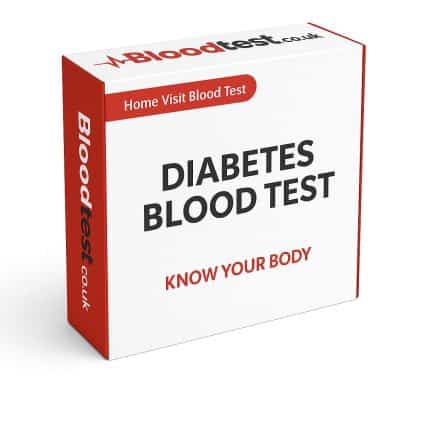

What Different Types of Diabetes Blood Tests Are Offered?
A variety of tests are specifically designed to aid in the management and diagnosis of diabetes. The most predominant tests comprise:
- Fasting Blood Glucose Test: This assessment measures your blood sugar after a night of fasting, providing a clear snapshot of your glucose levels.
- HbA1c Test: This test reflects your average blood sugar levels over the preceding two to three months, delivering a comprehensive overview of your glycaemic control.
- Oral Glucose Tolerance Test (OGTT): This evaluation measures blood sugar levels two hours after consuming a glucose-rich beverage, assessing your body’s response to glucose consumption.
- Random Blood Glucose Test: This test assesses your blood sugar at any point in time, regardless of your last meal.
Each test offers unique insights into your glucose levels and overall health. For instance, the HbA1c test is particularly significant for long-term monitoring, while the fasting blood glucose test effectively identifies immediate health concerns that may require intervention.
Why Is Regular Diabetes Testing Crucial for Your Health?
Regular testing is fundamental to effective diabetes management, serving as a preventive measure against potential complications such as cardiovascular disease, <a href=”https://limitsofstrategy.com/footwear-solutions-for-diabetic-neuropathy-boosting-sensitivity/”>neuropathy</a>, and kidney failure. Understanding your blood glucose levels empowers you to make informed decisions regarding your diet, exercise routines, and medication adjustments, which significantly enhance your quality of life.
In the UK, established guidelines recommend regular blood testing for individuals diagnosed with diabetes. Maintaining optimal blood sugar levels aids in the prevention of complications and supports a healthier lifestyle overall. By recognising patterns in your glucose levels, you can proactively modify your routines, ultimately leading to improved diabetes management and enhanced quality of life.
How Should You Prepare for a Diabetes Blood Test?
Proper preparation for a diabetes blood test is essential to ensure accurate results. Typically, fasting is necessary before tests such as the fasting blood glucose test. It is crucial to abstain from consuming anything other than water for at least eight hours prior to the test. Additionally, certain medications may need to be paused, so consulting your healthcare provider regarding your current medications and any health conditions that could influence the test results is vital.
Moreover, informing your doctor about any recent illnesses or health changes can significantly impact the interpretation of your test results. Adequate preparation enables you to obtain a clear picture of your blood sugar levels and streamlines the testing process, allowing you to focus on your health journey with confidence.
How Can You Effectively Interpret Your Diabetes Blood Test Results?
Understanding your test results is crucial for effective diabetes management. Normal ranges can differ, and your healthcare provider will elaborate on what these numbers imply for your specific circumstances, depending on the type of test conducted. For example, a fasting blood sugar level below 5.6 mmol/L is generally accepted as normal; levels exceeding this may indicate prediabetes or diabetes.
Engaging in discussions about these results with your healthcare provider is essential; they can assist you in deciphering the numbers within the context of your overall health. It is also imperative to monitor trends over time rather than focusing solely on individual results, as this approach can provide deeper insights into your diabetes management and necessary lifestyle adjustments.
Inspirational Success Stories of Diabetes Management from Basingstoke
How Have Residents of Basingstoke Achieved Remarkable Diabetes Management?
In Basingstoke, numerous individuals have successfully managed their diabetes through regular blood testing and proactive lifestyle changes. Local success stories vividly illustrate how consistent monitoring can lead to significant health improvements. For instance, one resident gained insights into meal patterns by diligently tracking her blood glucose levels, empowering her to make informed dietary alterations that enhanced her diabetes control.
Key strategies embraced by successful individuals in Basingstoke include:
- Maintaining a comprehensive food and blood sugar diary to monitor their intake and levels.
- Collaborating with local dietitians for personalised meal planning tailored to their unique needs.
- Participating in community exercise groups to ensure consistent physical activity.
- Utilising technology, such as glucose monitoring devices, to receive real-time feedback on their blood sugar levels.
These approaches highlight how community support and personalised strategies can significantly enhance effective diabetes management, empowering individuals to take control of their health.
What Local Facilities Provide Diabetes Testing in Basingstoke?
Basingstoke boasts a variety of diabetes testing facilities, ensuring that residents have access to essential healthcare services. The NHS operates several clinics where patients can receive comprehensive diabetes care, including necessary blood tests to monitor glucose levels. For individuals seeking expedited results or greater privacy, private laboratories also offer testing services, allowing everyone to find an option that aligns with their requirements.
Additionally, local pharmacies frequently provide blood glucose testing and can assist with interpreting results. Knowing where to access these services enables you to manage your health effectively without unnecessary delays or complications.
How Can Local Healthcare Experts Improve Diabetes Management?
Healthcare providers in Basingstoke play a vital role in supporting individuals living with diabetes. Many clinics and hospitals employ diabetes specialists, including endocrinologists and diabetes nurses, who offer tailored advice and support. These experts can guide you through your health journey by providing education on managing your condition, adjusting medications, and developing personalised nutrition and exercise plans that align with your health objectives.
Moreover, local support groups offer invaluable peer support, fostering a sense of community among those managing diabetes. Such networks empower individuals to take control of their health, share experiences, and motivate one another, ultimately enhancing their overall quality of life.
What Steps Should You Take to Effectively Interpret Your Diabetes Blood Test Results?
Interpreting your blood test results for diabetes is vital for effective management. First, understanding the significance of the numbers is essential. For instance, a fasting blood glucose level below 5.6 mmol/L, and an HbA1c below 48 mmol/mol, typically indicate good control. Higher levels may suggest a need to adjust your management strategies.
Always consult your healthcare provider when reviewing these results, as they can provide context and guidance tailored to your individual health history. Learning to track trends in your results over time is crucial, as recognising patterns can inform necessary adjustments in your diet, exercise, or medications, ultimately improving your overall diabetes management in Basingstoke.
Fundamental Practices for Preparing for Your Diabetes Blood Test
What Preparations Are Necessary Before Undergoing Your Blood Test?
Preparation is crucial for achieving accurate results from your diabetes blood test. In most instances, fasting is required: no food or beverages other than water for at least eight hours prior to the test. Following your healthcare provider’s instructions regarding any medications is equally important, as certain drugs can influence your blood sugar levels and, consequently, your test results.
It is advisable to maintain your usual routine leading up to the test, avoiding sudden changes in your diet or exercise habits, as these may skew your results. Ensuring you are well-rested and stress-free can further contribute to achieving the most precise outcomes, positioning you for success on your health journey.
What Can You Expect During the Diabetes Blood Test Procedure?
The procedure for a diabetes blood test is relatively straightforward and typically quick, involving the drawing of a small amount of blood, usually from your arm. A trained healthcare professional will cleanse the area, insert a needle, and collect the blood sample for analysis. While some individuals may experience mild discomfort, the process is generally well-tolerated and completed swiftly.
Understanding what happens during the test can help alleviate any anxiety you may have. After the sample is collected, it will be sent to a laboratory for analysis, with results expected within a few days. Familiarising yourself with these details helps ensure you are well prepared and can concentrate on your overall health.
What Follow-Up Care Should You Consider After Your Blood Test?
Post-test care is critical for effective diabetes management. Once you receive your results, it is vital to discuss them with your healthcare provider. They can provide guidance on what the numbers indicate for your current management plan and recommend any necessary changes to optimise your treatment.
Regular follow-ups are equally important. Engaging in discussions with your healthcare team about your results and any concerns can lead to timely adjustments to your treatment plan. Furthermore, these follow-up appointments offer an opportunity to address any emerging symptoms or health changes, ensuring your diabetes management remains on track.
What Common Mistakes Should You Avoid Before the Test?
Avoiding common mistakes prior to your diabetes blood test is essential for obtaining accurate results. One of the most significant errors is consuming food or beverages other than water when instructed to fast. This can lead to elevated blood sugar readings that do not accurately reflect your typical levels.
Additionally, failing to inform your healthcare provider about all medications you are taking can skew results. Some over-the-counter medications and supplements can affect blood glucose levels, so it is vital to disclose all relevant information. Always adhere to preparation guidelines, as these protocols are designed to ensure the most precise results.
Research-Backed Benefits of Diabetes Blood Testing in Basingstoke
How Does Regular Testing Enhance Health Outcomes?
Consistent monitoring of blood glucose levels can significantly enhance health outcomes. Research demonstrates a direct correlation between frequent testing and improved diabetes control. By regularly tracking your blood glucose levels, you can identify trends and make necessary adjustments to your diet and lifestyle, helping to prevent complications.
In Basingstoke, healthcare providers stress the importance of regular testing to detect potential issues early. This proactive approach not only aids in maintaining optimal blood sugar levels but also reduces the risk of long-term complications, such as neuropathy and cardiovascular disease. Individuals who engage in regular testing often report feeling more empowered in managing their diabetes.
What Are the Latest Innovations in Diabetes Testing Technology?
Innovations in diabetes testing technology continually enhance accuracy and convenience. For instance, continuous glucose monitors (CGMs) have transformed how patients track their blood sugar levels. These devices provide real-time data, enabling immediate adjustments to diet and medication to maintain optimal levels.
Moreover, advancements in laboratory techniques have enabled more precise testing methods. Staying informed about these technologies can significantly benefit your health management. Understanding the latest tools available will support you and your healthcare provider in determining the best monitoring strategy tailored to your specific needs and lifestyle.
What Practical Steps Can You Implement to Integrate Testing into Your Daily Routine?
To seamlessly incorporate regular diabetes blood testing into your routine, consider these actionable steps:
- Establish a consistent testing schedule, selecting a time that fits well with your daily routine.
- Utilise reminders on your mobile device to prompt you to conduct tests.
- Keep a comprehensive log of your results to identify trends and patterns over time.
- Discuss your testing frequency with your healthcare provider to ensure it aligns with your personalised treatment plan.
By making testing an integral part of your life, you can significantly enhance your diabetes management. These strategies not only help you stay on track but also empower you to make informed decisions regarding your health and well-being.
Where Can You Access Diabetes Blood Testing Services in Basingstoke?
Accessing diabetes blood testing in Basingstoke is straightforward, with a range of options available to residents. NHS clinics provide comprehensive diabetes services, including regular blood tests, at no charge to eligible patients. These facilities typically employ knowledgeable healthcare professionals who can offer ongoing support and guidance throughout your diabetes management journey.
For those who prefer private services, numerous local laboratories and clinics also offer diabetes testing. These facilities may provide quicker results and more flexible appointment times to meet your specific needs. Regardless of the option you choose, ensuring regular blood testing is fundamental to effective diabetes management.
How Do Cost and Accessibility Affect Diabetes Testing?
The affordability and availability of diabetes blood tests in Basingstoke can significantly impact your ability to undergo regular testing and manage your health effectively. While NHS services typically provide testing at no charge, private clinics may charge varying fees, creating a barrier for some individuals seeking essential care.
Furthermore, accessibility may vary by location and appointment availability. Ensuring that testing facilities are conveniently located and easily accessible is crucial for promoting regular testing. By addressing these factors, healthcare providers can enhance health outcomes for individuals with diabetes in Basingstoke.
Understanding the Financial Implications of Diabetes Testing in Basingstoke
How Do Costs Relate to Diabetes Blood Tests?
The costs associated with diabetes blood tests can vary significantly depending on whether you opt for NHS services or private clinics. Testing through the NHS is generally free for eligible patients, as it falls under public health provisions. However, private clinics may charge fees that differ based on the type of test performed and the facility’s pricing structure.
If you are considering private testing, it is wise to research local options and familiarise yourself with associated costs, as this knowledge can inform your decision on whether to pursue regular testing. Being informed about potential expenses helps you budget effectively for your healthcare needs.
How Accessible Are Testing Facilities in Basingstoke?
Basingstoke offers a range of facilities for blood testing for diabetes, though availability may vary. While many NHS clinics are well-distributed across the town, appointment availability can fluctuate, potentially causing delays in testing. Private laboratories generally offer more flexible hours and shorter wait times, making them appealing to those seeking immediate results.
Considering transportation options, including public transit and parking availability, is essential to ensure convenient access to testing services. Understanding these factors will help ensure you can monitor blood glucose regularly as part of your diabetes management plan.
Are There Financial Assistance Programs Available for Diabetes Testing?
In Basingstoke, various programs and support systems are designed to help reduce the costs associated with diabetes testing. Some charities and local health initiatives may offer financial assistance or subsidised testing services for those who qualify. Connecting with local diabetes support groups can provide valuable information about available resources.
Moreover, your healthcare provider can guide you towards financial assistance options tailored for diabetes management. By exploring these resources, you can alleviate the financial burden of diabetes testing, ensuring that regular monitoring remains accessible and manageable.
Effective Strategies for Diabetes Blood Testing in Basingstoke
What Are the Optimal Times for Testing Your Blood Sugar Levels?
Experts recommend specific times of the day for testing to ensure the most accurate results. For instance, testing first thing in the morning, before eating, can provide a baseline measure of your fasting blood sugar levels. This practice is particularly beneficial for those adjusting their medication or monitoring dietary changes.
Postprandial testing, performed two hours after eating, can also yield valuable insights into how your body responds to food. Understanding these optimal testing times can greatly enhance your diabetes management, empowering you to make informed decisions about your diet and lifestyle.
What Best Practices Should You Follow When Interpreting Your Test Results?
Accurate interpretation of blood test results for diabetes is crucial for effective management. Key indicators to monitor include fasting blood glucose and HbA1c. Knowing the target ranges for these values can guide your treatment decisions effectively. For instance, a fasting blood glucose level under 5.6 mmol/L is considered healthy, while an HbA1c below 48 mmol/mol indicates good glycaemic control.
Discussing your results with your healthcare provider is essential, as they can offer context and recommendations based on your overall health profile. Maintaining a record of your results enables you to identify trends over time and make proactive adjustments to your management plan when necessary.
How Can You Utilise Your Test Results to Refine Your Diabetes Management Plan?
Using your test results to make informed adjustments to your diabetes management plan can significantly improve your control over the condition. For example, if your blood glucose levels are consistently elevated, it may be time to reassess your diet, increase your physical activity, or consult your healthcare provider about potential medication adjustments.
Additionally, tracking your results over time helps you identify patterns, enabling more tailored lifestyle modifications. Engaging in regular discussions with your healthcare provider about your findings will ensure that any adjustments are grounded in expert advice, ultimately improving diabetes control and health outcomes.
Frequently Asked Questions About Diabetes Blood Testing
What Is the Primary Purpose of a Diabetes Blood Test?
A blood test for diabetes measures your blood glucose levels to diagnose or monitor the condition, guiding treatment decisions and informing necessary lifestyle changes for effective management.
How Often Should You Undergo a Diabetes Blood Test?
The frequency of testing depends on your condition; generally, individuals diagnosed with diabetes should test regularly, while those at risk may only need annual checks to monitor their health.
Is a Diabetes Blood Test Painful?
Most individuals experience only mild discomfort during the test, which involves drawing a small amount of blood from a vein and is typically well tolerated.
What Actions Should You Take If Your Blood Sugar Levels Are Elevated?
If your blood sugar levels are high, consult your healthcare provider for guidance on necessary adjustments to your diet, exercise regimen, or medications to effectively manage your condition.
Can You Eat Before a Diabetes Blood Test?
For many tests, fasting for at least eight hours before the test is required to ensure accurate results; please adhere to this guideline.
Where Can You Locate Diabetes Testing Facilities in Basingstoke?
Basingstoke offers multiple options, including NHS clinics and private laboratories, providing residents with convenient access to diabetes testing services.
What Steps Can You Take to Lower Your Blood Sugar Levels?
To lower your blood sugar levels, maintain a balanced diet, engage in regular physical activity, and adhere to your prescribed medications as directed by your healthcare provider.
What Is the HbA1c Test?
An HbA1c test measures your average blood glucose levels over the past two to three months, providing valuable insights into long-term diabetes management and control.
Can Stress Impact Your Blood Sugar Levels?
Yes, stress can elevate blood sugar levels, making it essential to manage it through relaxation techniques or support groups to facilitate effective diabetes management.
How Should You Interpret Your Blood Test Results?
Engaging in discussion with your healthcare provider is vital to interpreting your results, as they can provide context on what the numbers mean for your overall health.


This Article Was First Found On https://bloodtest.co.uk
The Article Diabetes Blood Test: Your Local Basingstoke Guide Was Found On https://limitsofstrategy.com
The Article Diabetes Blood Test Guide for Basingstoke Residents found first on https://electroquench.com