Master the Art of Blind Baking for Exceptional Pie Crusts
What Is Blind Baking and Why Is It Indispensable for Perfect Baking?
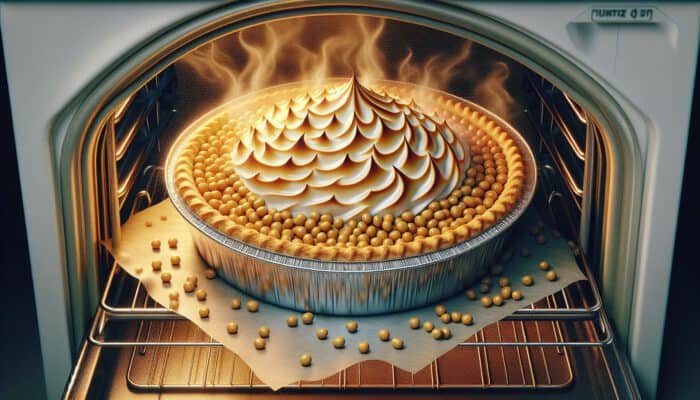
Blind baking is a crucial technique that every enthusiastic baker should master, as it involves the pre-baking of a pie crust to ensure it achieves a crispy texture and remains structurally sound once filled. By eliminating excess moisture before adding fillings, this method effectively prevents the all-too-common soggy bottom that can ruin even the most exquisite pies. Its significance extends beyond just fruit pies to encompass custard and quiche recipes, establishing it as a widely utilised technique in kitchens around the globe. For instance, a classic Australian lemon meringue pie relies heavily on a well-blind-baked crust to support its tangy filling, underscoring the method's importance in achieving an ideal texture and harmonious flavour profile.
The blind baking process entails covering the crust with parchment paper and placing weights atop to maintain its shape during the baking process. Various blind baking techniques have emerged worldwide, employing everything from traditional ceramic weights to innovative alternatives like dried beans. Each method serves the same purpose: ensuring even baking and resulting in a final product that is both visually appealing and delicious.
What Advantages Does Blind Baking Provide for Your Pies?
Blind baking substantially elevates the quality of pies, producing a flaky, golden crust that entices the taste buds. This technique promotes consistent cooking, enabling flavours to develop fully without being hindered by excess moisture. The end result is a delightful interplay of textures, where the crisp crust complements the filling rather than competing against it. Consider a rich chocolate tart; blind baking guarantees that the crust retains its form while delivering a satisfying crunch alongside the smooth filling, crafting an enjoyable contrast that enhances the dessert experience.
Furthermore, this technique facilitates the more effective incorporation of ingredients. A pre-baked crust reduces the overall baking duration for the pie, thereby minimising the risk of overcooking and enhancing reliability. Whether you are crafting a traditional American apple pie or an elegant French tarte au citron, blind baking can significantly improve your baking results, leading to consistently successful outcomes that any home baker can achieve with confidence.
What Are the Essential Tools Required for Successful Blind Baking?
Equipping yourself with the proper tools is vital for effective blind baking. Below is a comprehensive list of essential items that streamline the blind-baking process, helping you avoid common pitfalls:
- Pie weights: These can include traditional ceramic weights or even dried beans, both of which are effective in preventing the crust from puffing up during baking.
- Parchment paper: This forms a barrier between the crust and the weights, helping to prevent sticking and tearing.
- Rolling pin: A high-quality rolling pin is essential for achieving an even thickness in the pie crust, which is crucial for consistent baking.
- Pie dish: Options include metal, glass, and ceramic, with each affecting heat distribution and the final texture of the crust.
- Silicone mat: Ideal for rolling out dough, a silicone mat prevents sticking and makes transferring the crust easier.
- Pastry brush: Essential for applying egg washes or other coatings to enhance the crust's colour and flavour.
- Cooling rack: Important for cooling the crust after blind baking to prevent moisture build-up.
With these indispensable tools at your disposal, you can confidently navigate the blind-baking process, significantly increasing your chances of achieving a beautifully baked pie crust that serves as the perfect foundation for your fillings.
How to Craft the Ideal Pie Crust for Your Pies?
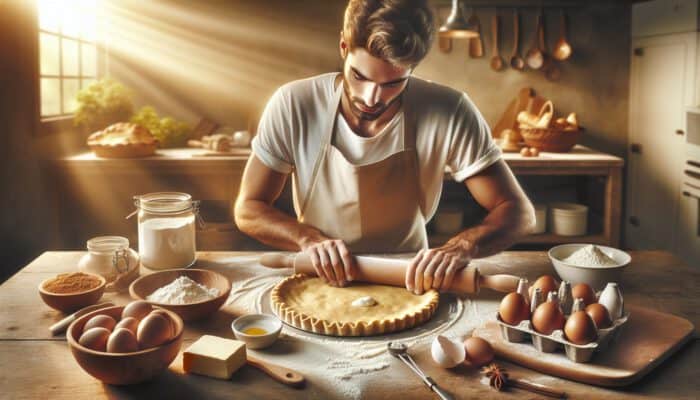
What Ingredients Are Vital for Creating a Perfect Pie Crust?
The success of a pie crust is largely determined by the selection of high-quality ingredients. Choosing the right flour is crucial; all-purpose flour is frequently used for its versatility, while pastry flour yields a more tender crust due to its lower protein content. Equally important is the choice of fat. Many bakers favour butter for its rich flavour and capacity to create a flaky texture, while shortening provides a tender crust that maintains its shape effectively.
In addition to flour and fat, the liquid component, typically cold water, is essential for binding the dough without overworking it. This balance is vital for preserving the crust's integrity during the blind baking process. Bakers often incorporate a pinch of salt to enhance flavour and may add a splash of vinegar or lemon juice to relax the gluten, preventing shrinkage while baking.
By carefully selecting high-quality ingredients, bakers ensure that the dough remains pliable and can endure the rigours of blind baking without cracking or shrinking. The right combination leads to a crust that not only withstands pressure well but also excels in taste and texture, making it a critical step in the pie-making process.
How to Effectively Prepare Dough for Blind Baking?
Preparing pie dough for blind baking involves several essential steps that lay the groundwork for success. Begin by accurately measuring your dry ingredients and mixing them thoroughly to guarantee an even distribution of flour and salt, which is crucial for the dough’s texture. Next, cut your cold fat into the flour mixture using a pastry cutter or your fingers until the mixture resembles coarse crumbs, ensuring visible fat pieces remain intact. This technique is vital as it creates pockets of fat that expand during baking, resulting in a beautifully flaky crust.
After incorporating the fat, gradually add cold water, one tablespoon at a time, mixing gently until the dough comes together. Avoid overworking the dough; excessive mixing can develop gluten, leading to a tough pie crust. Once the dough forms a ball, flatten it into a disk, wrap it in cling film, and refrigerate it for at least 30 minutes. Chilling the dough allows the gluten to relax, making rolling easier and helping to prevent shrinkage during blind baking.
Finally, roll out the chilled dough on a lightly floured surface to your desired thickness, typically around 3mm. Carefully transfer the rolled dough to your pie dish, ensuring that it does not stretch. Trim any excess to guarantee it fits snugly in the dish. By meticulously following these steps, you establish a solid foundation for blind baking that is both visually appealing and structurally sound.
What Common Mistakes Should You Avoid During Dough Preparation?
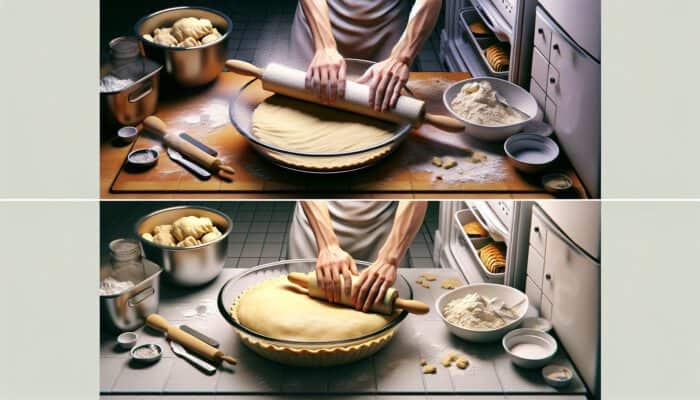
Even experienced bakers can encounter challenges when preparing pie crusts for blind baking. One of the most prevalent mistakes is overworking the dough, which can result in a tough crust instead of the desired flaky texture. To avoid this, mix the ingredients just until combined, and steer clear of excessive kneading or rolling.
Another common error is neglecting the chilling step. Skipping this crucial phase can lead to shrinkage during baking, causing a crust that fails to retain its shape. Always remember to refrigerate the dough, allowing it to rest before rolling out.
Additionally, improperly sealing the edges of the crust can lead to leaks and uneven cooking. It is essential to crimp the edges securely to prevent the filling from leaking during baking. By recognising these frequent preparation mistakes early on, bakers can make adjustments that enhance results and improve the overall baking experience.
Proven Strategies for Achieving Impeccable Blind Baking Outcomes
What Advanced Techniques Can Enhance Your Blind Baking Skills?
Bakers striving to elevate their blind-baking skills can explore advanced techniques that yield exceptional results. One such method involves meticulous temperature control. Preheating the oven to an optimal temperature—usually around 180°C (350°F)—ensures that the crust cooks evenly from the outset. Additionally, consider employing a two-step baking process: first, blind bake the crust, then remove the weights and parchment and continue baking until golden brown. This strategy helps achieve the ideal texture without compromising the crust’s integrity.
Another innovative approach is layering the dough. Rather than rolling out a single piece, divide the dough into smaller portions and layer them in the pie dish. This technique not only enhances visual appeal but also stabilises the crust overall. Furthermore, some bakers choose to brush the crust with a thin layer of beaten egg or milk before blind baking. This barrier prevents moisture from seeping into the filling, preserving the crust's crispness.
By integrating these advanced techniques into your blind-baking routine, you can significantly elevate the quality and consistency of your crusts, making them suitable for any pie recipe you choose to undertake.
Why Is It Important to Choose Specific Blind Baking Methods?
The method you select for blind baking can significantly affect the final product. For instance, using ceramic pie weights promotes even heat distribution, ensuring the crust cooks uniformly without puffing. This choice is particularly advantageous for delicate crusts that require a stable cooking environment to maintain their shape.
Conversely, some bakers prefer to utilise a pie shield, which prevents the crust edges from browning too quickly. This tool is especially helpful for pies with extended baking times, as it assists in maintaining a perfect golden hue without risking burnt edges.
Moreover, the choice between glass and metal pie dishes can influence the baking outcome. Glass dishes allow you to monitor the bottom of the crust, aiding in the prevention of overbaking. In contrast, metal dishes tend to heat more efficiently, resulting in shorter baking durations. Understanding how these choices impact the baking process empowers bakers to make informed decisions, leading to outstanding pie outcomes.
What Expert Tips Can Guarantee Success in Blind Baking?
Mastering blind baking revolves around timing and material selection. A crucial tip is to preheat your oven adequately. Beginning with a well-heated oven ensures the crust starts to cook immediately, reducing the risk of sogginess. Additionally, consider using a baking stone or steel to create a hotter environment around the pie, promoting better heat retention and more even cooking.
Another significant aspect is to ensure that the pie crust is thoroughly docked before baking. Docking involves pricking the bottom of the crust with a fork to allow steam to escape. This step is essential to prevent bubbling or puffing during blind baking. Keep a close watch on the crust as it bakes; visual indicators such as colour and texture will guide you to the perfect level of doneness.
Finally, allow the crust to cool completely before adding any fillings. This cooling period solidifies the structure and enhances flavour, resulting in a pie that not only looks appealing but tastes incredible. By implementing these expert tips, bakers can refine their techniques and consistently achieve perfect results in their blind baking endeavours.
What Materials Are Essential for Effective Blind Baking?
Which Types of Pie Dishes Provide Optimal Baking Conditions?
The choice of pie dish material can significantly influence baking results, with different materials affecting heat conduction and crust support. Metal pie dishes are commonly preferred by many bakers for their excellent heat conductivity, which aids in achieving a golden crust that bakes evenly. These dishes are especially effective for blind baking, as they transfer heat directly to the crust, ensuring a crisp bottom that retains its shape.
In contrast, ceramic pie dishes offer a more aesthetically pleasing option, often featuring vibrant designs that are well-suited for serving directly at the table. However, they may require longer heating times compared to metal dishes, which can impact cooking times and evenness. Glass dishes present another alternative, known for their transparency, making it easy for bakers to monitor the crust's progress. Understanding the advantages and disadvantages of each material allows bakers to choose the ideal pie dish for their specific needs, ensuring optimal results every time.
Moreover, consider the depth of the pie dish. A deeper dish can hold more filling, while a shallower one may necessitate adjustments in baking times. By selecting the right pie dish, bakers can enhance their blind-baking success and create well-structured, beautifully presented pies.
What Are the Advantages of Using Alternative Baking Beads?
Baking beads serve as an effective alternative to traditional pie weights, providing a versatile option for blind baking. These beads, often crafted from ceramic or metal, help keep the crust flat and prevent air pockets from forming during baking. Their use simplifies preparation, as they conform well to the crust's shape and can be reused multiple times, making them an eco-friendly choice for dedicated bakers.
When using baking beads, ensure they are evenly distributed across the crust to maintain consistent weight distribution. This prevents any sections from rising, leading to an even bake. Once the initial blind baking is complete, removing the baking beads is straightforward, ensuring a smooth transition to the second baking stage.
Many bakers find that using baking beads results in a more professional finish on their pies, as they help achieve a perfectly flat crust that can support various fillings without compromising texture. By incorporating these beads into your blind baking routine, you can significantly elevate the quality and presentation of your pies.
How Do You Choose the Best Materials for Blind Baking?
Selecting the right materials for blind baking is essential for achieving successful outcomes. When choosing a pie dish, consider durability, heat resistance, and compatibility with your oven's temperature settings. For instance, ceramic and glass dishes can withstand high temperatures, while metal dishes usually ensure faster, more even browning.
Additionally, reflect on the type of pie weights or baking beads you plan to use. Ceramic weights are favoured for their ability to provide even pressure without transferring heat too quickly, making them ideal for delicate crusts. Alternatively, silicone baking mats facilitate easy removal and prevent sticking, ensuring a smooth transition from baking to serving.
Durability is another critical factor. Investing in high-quality tools that can withstand regular use ensures long-term success in your baking endeavours. By thoughtfully selecting your materials, you can optimise your blind-baking process, enhancing your pies' texture and flavour while minimising the risk of common baking challenges.
Research-Backed Benefits of Top Blind Baking Techniques
What Scientific Principles Underpin the Blind Baking Process?
The science behind blind baking reveals that this technique promotes even cooking at a molecular level, preserving the crust's structure and enhancing flavour through controlled moisture evaporation. By pre-baking, the crust sets before moist fillings are added, creating a more robust framework that can withstand heavier fillings without becoming soggy.
Research indicates that blind baking allows the crust to develop a crispy outer layer while keeping the interior tender. This balance of textures is vital for recipes like quiches or custard pies, where the moisture from the filling could otherwise compromise the crust's integrity. Furthermore, baking at the correct temperature ensures the dough maintains its structure, preventing collapse under the weight of the filling.
These principles apply not only to conventional baking scenarios but also reinforce the notion that blind baking is not merely a traditional practice but a scientifically backed method that elevates the overall quality of baked goods. Understanding the rationale behind this technique encourages bakers to adopt blind baking as a standard practice in their pie-making.
What Health Benefits Are Associated with Blind Baking?
Blind baking can contribute to healthier pies by reducing excess oil absorption while accommodating lighter fillings. Pre-baking the crust creates a barrier that limits the amount of grease or moisture it absorbs, which is particularly beneficial for fruit pies, where juicy fillings could lead to sogginess.
Moreover, integrating blind baking techniques can enhance the nutritional profile of baked goods. By focusing on fresh, wholesome ingredients and minimising added oils and sugars, bakers can create pies that are not only delicious but also align with health-conscious lifestyles. For instance, using whole-grain flour in the crust can boost fibre content, while opting for fresh fruit fillings reduces the need for excessive sweeteners.
By embracing blind-baking methods, bakers can create healthier versions of their favourite recipes, resulting in more nutritious desserts that remain satisfying. This approach resonates with contemporary dietary trends, where quality and balance are prioritised in cooking and baking.
What Long-Term Benefits Arise from Mastering Blind Baking?
Mastering blind-baking techniques provides numerous long-term advantages for bakers. Over time, the skills acquired through this method not only improve baking proficiency but also reduce waste, as better-prepared crusts maintain their shape better during storage. This durability is particularly beneficial for those who enjoy meal prepping or entertaining regularly, allowing for quicker pie assembly without compromising the crust.
Additionally, blind baking enhances recipe versatility, facilitating experimentation with a variety of fillings and styles. A well-blind-baked crust can accommodate everything from sweet fruit fillings to savoury quiches, opening the door to creativity in the kitchen. As bakers refine their skills, they gain confidence, empowering them to tackle a wider array of recipes and enjoy the process.
With consistent practice, achieving perfectly blind-baked crusts becomes second nature, making baking more enjoyable and less intimidating. The confidence gained from mastering this technique translates into delicious outcomes, encouraging bakers to explore new recipes and expand their culinary repertoire.
What Economic Benefits Can You Gain from Blind Baking?
Research suggests that blind baking techniques can minimise ingredient waste and reduce energy costs, making them a practical choice for both home kitchens and commercial environments. By ensuring a sturdy crust that can withstand various fillings, bakers are less likely to experience waste from failed attempts or soggy results, ultimately saving on ingredients.
Furthermore, blind baking allows bakers to optimise oven usage. By pre-baking crusts in bulk, home bakers can produce multiple pies simultaneously, decreasing overall baking time and energy consumption. This approach boosts productivity and lessens the carbon footprint associated with baking.
The economic benefits extend beyond ingredient savings; mastering blind-baking techniques can enhance sales for commercial bakers. Pies that retain their quality and texture are more likely to attract repeat customers, positively impacting profitability. As bakers embrace these techniques, they not only elevate their skills but also contribute to more sustainable, economically viable baking practices.
How Does Blind Baking Affect the Environment?
The environmental implications of blind baking are significant, particularly concerning energy usage. Studies indicate that implementing this technique reduces oven time, thereby lowering overall energy costs and carbon emissions. This sustainable method supports eco-friendly practices in baking, encouraging bakers to adopt strategies aligned with a more responsible approach to cooking.
By utilising blind baking, bakers can streamline their processes, often reducing oven time since the crust is pre-baked. This reduction not only conserves energy but also decreases the overall environmental footprint. For bakers committed to sustainability, incorporating blind baking into their routines offers an opportunity to align their practices with their environmental values.
Furthermore, as consumers become increasingly aware of the environmental impacts of food production, bakers who prioritise sustainable practices, such as blind baking, may find themselves more appealing to a conscientious audience. By mastering this technique, bakers can improve their kitchen practices and contribute to a healthier environment.
Why Is Blind Baking Vital for Achieving Perfect Pies?
How Does Blind Baking Prevent Soggy Crusts?
Blind baking is essential for preventing moisture accumulation from fillings that can compromise the crust's crispness and integrity. This preventive technique is particularly important for recipes with wet fillings, such as fruit pies or custards. By pre-baking the crust, bakers ensure it sets before potentially soggy fillings are added, creating a barrier that preserves the pie's texture and flavour.
The significance of this technique cannot be overstated; a soggy crust can ruin an otherwise delightful pie. Blind baking not only enhances overall texture but also improves the visual appeal of the dessert, resulting in a pie that looks as good as it tastes. This reliability in the baking process fosters confidence in home bakers, encouraging them to experiment with diverse flavours and ingredients without the fear of disappointing results.
Moreover, the ability to prevent sogginess opens the door to a variety of filling options, enabling bakers to explore creative combinations that might otherwise be too risky. By mastering blind baking, bakers ensure their pies consistently achieve a desirable flaky crust, elevating the overall quality.
How Does Blind Baking Enhance Flavour?
Blind baking intensifies flavours and textures by allowing the crust to bake independently, resulting in a more harmonious final product. This technique accentuates the natural tastes of the ingredients, creating a delightful contrast between the crispy crust and the filling. For example, in a pumpkin pie, the spices and sweetness develop more fully when the crust has been pre-baked, resulting in a richly flavoured dessert that resonates with the palate.
By allowing the crust to cook before adding moist fillings, the flavours meld beautifully without interference from excess moisture. This approach enhances the overall experience for both the baker and the consumer, as the final pie delivers on taste, texture, and visual appeal. The satisfaction of a well-executed blind bake empowers bakers to explore diverse fillings, confident that the foundation of their pies is solid.
Additionally, an expertly blind-baked crust provides a canvas for showcasing seasonal ingredients. Whether it is a summer berry tart or a winter spiced apple pie, the enhanced flavours and textures achieved through blind baking create a more vibrant and memorable dessert experience.
What Are the Expected Outcomes of Blind Baking?
The results of blind baking are consistently impressive, yielding a reliably crisp base that complements any filling. This technique lays the groundwork for pies that are not only visually appealing but also delicious. A properly blind-baked crust provides a sturdy foundation for a variety of fillings, from creamy custards to juicy fruit mixtures, ensuring each slice delivers a satisfying crunch.
Furthermore, mastering blind baking instills confidence among home bakers. As they achieve successful outcomes, they are encouraged to experiment with new recipes and techniques, further enhancing their baking skills. This growth not only improves their ability to create exceptional pies but also fosters a sense of accomplishment throughout their culinary journey.
Ultimately, the outcomes of blind baking extend beyond texture and flavour; they contribute to the overall enjoyment of the baking experience. When bakers know they can rely on a crisp and stable crust, the entire process—from preparation to serving—becomes more enjoyable and fulfilling.
How Does Blind Baking Support a Variety of Fillings?
Blind baking prepares pie crusts to handle a range of fillings without becoming soggy. This adaptability is particularly beneficial when working with wet fruits or rich custards, as the pre-baked crust can withstand moisture without compromising its structural integrity. This technique allows bakers to experiment with different flavours and textures, secure in the knowledge that the crust will support their creative choices.
For instance, when creating a classic quiche, the blind-baked crust provides a solid base that supports the weight of eggs and other fillings. By employing the blind-baking method, the crust remains crisp and firm, ensuring each slice retains its shape upon serving. This reliability is essential for bakers looking to create visually stunning, delicious pies for any occasion.
Moreover, blind baking encourages bakers to explore a wide range of fillings, inspiring them to think beyond traditional pie conventions. Whether it is a tart filled with seasonal fruits or a hearty savoury pie, blind baking guarantees each creation delivers on both flavour and presentation. By perfecting this technique, bakers can confidently explore diverse recipes while maintaining the quality and integrity of their pies.
How Does Blind Baking Minimise Common Baking Issues?
Blind baking serves as a proactive approach to minimising common baking challenges such as cracks, uneven cooking, and shrinkage. By pre-baking the crust, bakers create a stable foundation that diminishes the risk of these problems occurring during the final bake. This technique builds confidence in home bakers, empowering them to take control of the baking process and achieve polished results.
A significant advantage of blind baking is its ability to prevent cracks. A pre-baked crust sets more firmly, reducing the likelihood of fissures forming as it expands and contracts during baking. Furthermore, this method ensures even cooking, as the crust has already had time to develop its structure before being filled.
Additionally, blind baking mitigates the risk of shrinkage, a common concern for bakers. By allowing the crust to set in the oven before adding the filling, bakers can avoid the dreaded shrinking crust that often occurs when the dough is mishandled. This technique fosters control over the baking process, leading to improved outcomes and greater satisfaction with homemade pies.
What Common Errors Should You Avoid in Blind Baking?
How to Prevent Overbaking Your Crust?
A critical mistake in blind baking is overbaking the crust, which can lead to dryness, making it brittle and less enjoyable. Monitoring time and temperature is crucial for achieving optimal results. The best approach is to set a timer during the initial blind bake and check for visual cues, such as a golden hue, to assess doneness.
It’s also wise to consider the specific recipe you are following, as different crust types may require varying baking durations. Adjusting these factors can help preserve the pie’s texture and prevent disappointing results. Additionally, removing the crust from the oven just before it reaches the desired colour allows for carryover cooking as it cools, ensuring it remains perfectly baked without becoming overly dry.
To reduce the risk of overbaking, consider testing a small batch of dough. This practice helps you fine-tune your timing and understand your oven's unique characteristics, ultimately leading to better results in your baking journey.
What Are the Consequences of Improperly Sealed Edges?
Failing to seal the edges correctly during blind baking can lead to leaks and uneven baking, significantly impacting the pie's structure. Ensuring a secure seal is vital for maintaining the integrity of the crust. A well-sealed edge prevents the filling from leaking during baking, resulting in a messy and unappealing final product.
To secure the edges, use your fingers or a fork to crimp the dough around the rim of the pie dish. This technique not only creates a visually attractive finish but also serves the practical purpose of keeping the crust in place. Additionally, consider applying a thin layer of egg wash along the edges before blind baking, creating a barrier that reinforces the seal and prevents moisture from penetrating the crust.
Addressing this issue early in the process ensures a polished finish and maintains the crust's intended shape. By focusing on proper sealing techniques, bakers can significantly enhance the quality of their pies and the overall baking experience.
Why Is Insufficient Cooling Time a Common Pitfall?
Rushing the cooling process after blind baking is a frequent error that can cause the crust to crack or warp. Allowing ample cooling time is essential for solidifying the structure and preparing it for fillings. Ideally, let the crust cool at room temperature on a cooling rack to encourage even cooling and prevent moisture accumulation.
By skipping this step, bakers risk compromising the quality of their final pie. A crust that hasn't fully cooled may become soft or lose its shape when the filling is added, leading to undesirable outcomes. To avoid this, plan to incorporate the cooling period into your baking timeline, allowing the crust to rest until it is completely cool.
Consider using a timer or reminder to ensure you do not rush through this crucial step. As the crust cools, take the opportunity to prepare your fillings, making the best use of the time while ensuring the quality of your baked goods remains high.
What Are Common FAQs Regarding Blind Baking?
What is blind baking?
Blind baking is the technique of pre-baking a pie crust without any filling to prevent it from becoming soggy, thereby ensuring a crisp texture upon adding the filling.
Why should I blind bake my pie crust?
Blind baking helps maintain a flaky crust and prevents sogginess from moist fillings, resulting in a better overall texture and flavour for the pie.
What are the best tools for blind baking?
Essential tools for blind baking include pie weights, parchment paper, a rolling pin, and a suitable pie dish. These items help ensure even baking and prevent the crust from puffing up.
How do I prevent my crust from shrinking during blind baking?
To prevent shrinking, chill the dough before rolling it out, avoid overworking it, and ensure the edges are properly crimped in the pie dish.
Can I use beans instead of pie weights?
Yes, dried beans can serve as an excellent substitute for pie weights, providing the necessary weight to keep the crust from rising during baking.
Why is my pie crust tough?
A tough pie crust often results from overworking the dough. It is crucial to mix and handle the dough gently to maintain a tender texture.
How long should I blind bake my crust?
The typical blind-baking time is 15-20 minutes at 180°C (350°F), depending on the recipe. Check for a light golden colour and a set structure.
What should I do if my crust has air pockets after blind baking?
If air pockets form, gently press them down with a fork or the back of a spoon while the crust is still warm, or consider docking holes before baking to allow steam to escape.
Should I cool my crust before adding filling?
Yes, allowing the crust to cool completely before adding filling is essential to prevent sogginess and ensure a stable structure for the pie.
Can I make a pie crust in advance?
Absolutely! You can prepare the pie crust ahead of time, blind bake it, and store it in the fridge or freezer until you're ready to add the filling and finish the pie.
Connect with us on Facebook!
The post Top Tips for Blind Baking Pie Crusts: Essential Techniques appeared first on https://cookinggods.com
The Article Blind Baking Pie Crusts: Essential Techniques and Tips Was Found On https://limitsofstrategy.com
The Article Blind Baking Techniques: Essential Tips for Perfect Pie Crusts found first on https://electroquench.com