Delve into the Core Mechanisms of Volcanic Activity
What Elements Are Responsible for Triggering Volcanic Activity?
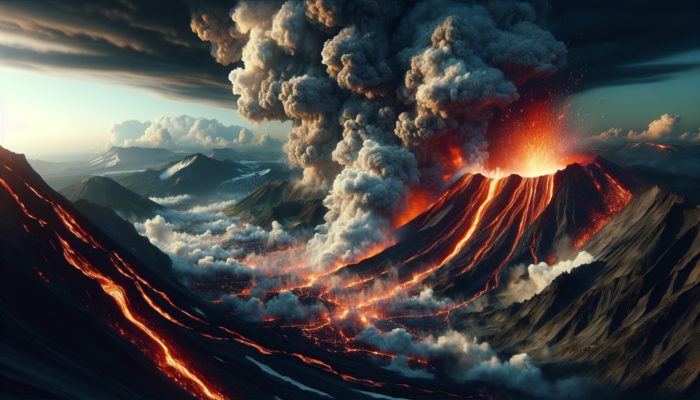
Grasping the intricacies of volcanic activity is crucial, as it primarily stems from the movement of magma located deep within the Earth’s crust. The shifting and colliding of <a href=”https://survivalbite.com/earthquake-proofing-home-essential-tips-and-techniques/”>tectonic plates</a> generate immense pressure beneath the surface. This pressure can lead to explosive volcanic eruptions when it is finally released. The well-documented eruptions of Mount St. Helens in the United States serve as a prime example, illustrating how subduction zones can catalyse significant eruptions through tectonic plate interactions. Understanding these complex processes is essential for predicting future eruptions and mitigating their effects on nearby communities.
What Are the Key Warning Signs Preceding a Volcanic Eruption?
Recognising early warning signs of volcanic activity is absolutely vital for ensuring safety in high-risk areas. Key indicators to monitor include ground tremors, increased gas emissions, and significant temperature fluctuations around the volcano. To effectively track these critical signs, individuals should stay updated through local geological surveys, subscribe to notifications from volcanic observatories, and remain vigilant during any unusual seismic activities in their vicinity. Heightened awareness and preparedness can significantly enhance safety and diminish risks during potential eruptions.
What Common Misunderstandings Exist Regarding Volcanic Eruptions?
Numerous myths surrounding volcanic eruptions can engender dangerous misconceptions among the public. A prevalent belief is that volcanic eruptions can be predicted with complete certainty, which is misleading and often inaccurate. Eruptions can occur suddenly, even when certain warning signs are present. These myths persist, often fueled by media portrayals and anecdotal historical accounts, which underscores the importance of relying on factual data and expert advice when preparing for potential eruptions. Education plays a critical role in dispelling these inaccuracies and enhancing public understanding.
Explore the Varied Types of Volcanic Eruptions and Their Impacts
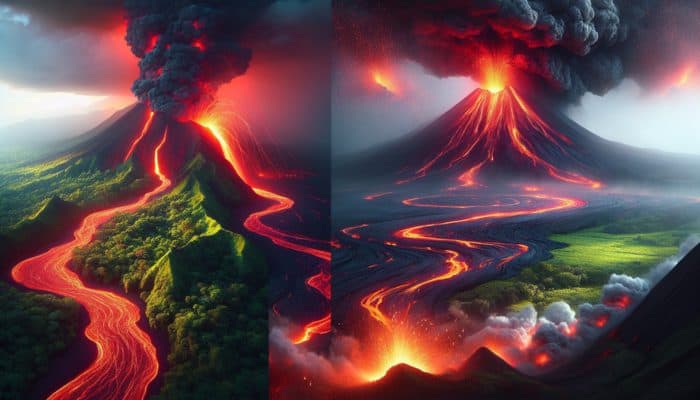
Volcanic eruptions can be categorised into various types based on their characteristics and behaviours, each possessing unique impacts on the surrounding environment. Effusive eruptions, such as those witnessed at Kilauea in Hawaii, are defined by gentle lava flows that steadily emerge from the volcano, creating stunning displays of molten rock. Conversely, explosive eruptions, like those from Mount Pinatubo in the Philippines, expel ash plumes high into the atmosphere with tremendous force, often causing widespread devastation. Understanding these distinctions is crucial for assessing potential risks and preparing communities for the various types of volcanic activity they may encounter.
How to Formulate Effective Preparedness Plans for Volcanic Eruptions?
Preparing for volcanic eruptions necessitates the implementation of strategic measures that can significantly improve safety and survival prospects. One of the primary steps is to assemble a comprehensive emergency kit, which should include essentials such as water, non-perishable food, first-aid supplies, and protective gear. Additionally, establishing a thorough communication plan with family members and identifying the closest evacuation routes can greatly enhance survival chances during an eruption. The 2010 Eyjafjallajökull eruption in Iceland serves as a poignant reminder of the importance of preparedness; many lives were preserved due to effective planning and readiness, illustrating that proactive measures can make a significant difference.
How Does a Volcanic Eruption Progress from Start to Finish?
What Starts the Eruption Process?
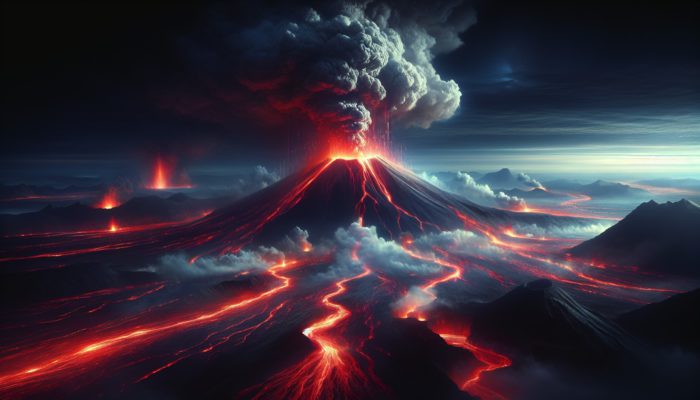
The commencement of volcanic eruptions is driven by various geological processes, primarily involving tectonic movements and the accumulation of pressure. Key triggers for eruptions include the release of pressure within magma chambers, the introduction of fresh magma, and changes in the composition of the magma itself. By comprehending these triggers, communities can enhance their preparedness for potential eruptions by closely observing geological stability and activity in their regions. This knowledge is crucial for effective risk management and ensuring community safety during volcanic events.
What Are the Distinct Stages of Eruption Development?
The progression of a volcanic eruption generally unfolds in several distinct stages, starting with a period of unrest characterised by heightened seismic activity and increased gas emissions. As pressure builds, signs of an impending eruption become increasingly evident, often culminating in explosive eruptive activity that can occur with minimal warning. Diligently monitoring these stages can empower individuals and communities to respond appropriately, such as evacuating when unmistakable signs of an eruption manifest. Preparedness throughout these stages can prove life-saving for those in affected areas.
What Environmental Impacts Are Associated with Volcanic Eruptions?
Volcanic eruptions possess the capacity to dramatically alter the surrounding environment, affecting air quality, soil stability, and local water sources. Ash clouds released during eruptions can result in severe respiratory issues for nearby populations, while lava flows can irrevocably reshape entire landscapes, rendering previously habitable areas uninhabitable. Communities situated near active volcanoes must prepare for extensive environmental impacts, recognising that eruptions can have enduring consequences for agriculture, infrastructure, and public health. Comprehensive planning and proactive measures are essential to effectively mitigate these adverse effects.
Understanding the Different Styles of Volcanic Eruptions
Various types of volcanic eruptions, including both effusive and explosive styles, are influenced by several factors such as magma composition, viscosity, and the structure of the volcanic vent. Effusive eruptions typically generate gentle lava flows that can travel considerable distances, while explosive eruptions can propel ash and debris high into the atmosphere with great force, resulting in significant destruction. A clear classification of these eruption types enhances the understanding of their behaviours and associated risks, facilitating improved preparedness and response strategies for communities vulnerable to volcanic activity.
What Methods Are Used to Monitor and Predict Volcanic Activity?
Monitoring volcanic activity is fundamental for predicting eruptions and minimising associated risks to nearby populations. Techniques employed by geologists include seismic monitoring, gas emission analysis, and satellite imagery to track changes in volcanic behaviour over time. These advanced methods significantly enhance emergency planning and preparedness, allowing for timely alerts to communities potentially affected by volcanic activity. Staying informed through these monitoring techniques can ultimately save lives and safeguard property during volcanic events.
Proven Approaches for Volcanic Preparedness
How to Create a Comprehensive Emergency Kit?
Assembling a well-stocked emergency kit is a crucial element of volcanic preparedness. Essential supplies should encompass protective gear, non-perishable food items, an adequate water supply, first-aid materials, and reliable communication tools. By ensuring self-sufficiency during emergencies, individuals can navigate the chaos that eruptions may create more effectively, guaranteeing they possess the necessary resources to survive. Regularly reviewing and updating the kit is also advisable to maintain readiness for any potential scenario, ensuring that supplies remain fresh and functional.
How to Develop a Comprehensive Response Plan?
Creating a robust response plan requires outlining specific actions designed to safeguard personal and family safety during an eruption. This plan should encompass effective communication methods, establish safe meeting locations, and involve regular practice of evacuation routes. Customising these plans enables families to remain calm and organised, significantly enhancing their chances of staying safe during a volcanic emergency. Frequent drills and discussions regarding the plan can reinforce preparedness and ensure familiarity with response procedures, fostering confidence among all family members.
Why Is Mental Preparedness Crucial for Volcanic Readiness?
Mental preparedness is vital for effectively managing the stress associated with volcanic eruptions. Preparing psychologically enables individuals to maintain emotional resilience during challenging circumstances. Strategies to enhance mental readiness include practising mindfulness and meditation, engaging in regular physical activity, utilising breathing exercises to alleviate anxiety, and establishing a strong support network. By prioritising mental health, individuals can navigate crises with greater focus, clarity, and composure, significantly improving their overall well-being and response to volcanic threats.
- Practising mindfulness and meditation
- Engaging in regular physical activity
- Utilising breathing exercises to reduce anxiety
- Establishing a strong support network
Expert Insights on Surviving a Volcanic Eruption
How to Evaluate Your Personal Risk Levels?
Assessing personal risk levels involves considering one’s proximity to a volcano and comprehending the local geological conditions that may influence safety. Factors influencing potential danger include historical eruption patterns and the types of volcanic activity present in the area. By conducting a thorough self-assessment, individuals can better prepare for possible evacuations or protective measures, empowering themselves to respond effectively to volcanic events. This proactive approach enhances safety and security during volcanic occurrences, ensuring readiness to act when necessary.
What Protective Measures Should Be Implemented?
Experts recommend several key protective measures to safeguard against the hazards associated with volcanic eruptions. These measures may encompass constructing barriers to redirect lava flows, utilising appropriate shelters, and remaining informed about evacuation protocols. Implementing these strategies enhances personal safety and mitigates risks during an eruption, enabling individuals to protect themselves and their property while effectively navigating the challenges posed by volcanic events.
What Long-Term Health Considerations Should Be Acknowledged Following an Eruption?
Post-eruption health considerations are critical, as individuals may face prolonged respiratory issues or other health effects stemming from exposure to volcanic ash. Research indicates that communities historically impacted by volcanic eruptions often experience long-term health challenges, underscoring the importance of understanding these risks. Adhering to expert guidance on recovery can facilitate a smoother transition back to normalcy following an eruption. Continuous monitoring and regular medical check-ups are essential for maintaining health and addressing any complications that may arise after a volcanic event.
What Effective Evacuation Strategies Should Be Employed During Eruptions?
Expert-recommended evacuation strategies emphasise identifying safe routes and decision-making processes during a volcanic eruption. Individuals should remain alert to their surroundings and monitor volcanic activity to select the safest evacuation paths. Coordinating with family members and utilising alerts can help ensure a timely exit, minimising exposure to ash, lava, and toxic gases. Thorough planning and practice can significantly enhance evacuation efficiency and safety during emergencies, ultimately protecting lives.
What Psychological Effects Can Eruptions Cause, and How Can You Cope?
The psychological impacts following volcanic events can be profound, often leading to conditions such as PTSD and anxiety. Experts recommend various coping mechanisms, including therapy, community support, and participation in recovery programmes. Case studies of communities affected by eruptions reveal that shared experiences and collective healing strategies can substantially improve long-term mental health outcomes. Building emotional resilience is vital for overcoming the aftermath of volcanic activity, ensuring individuals find pathways to recovery.
What Are the Immediate Risks Associated with Volcanic Eruptions?
How Does Volcanic Ash Impact Respiratory Health?
Volcanic ash poses significant respiratory risks, as inhaling fine particles can lead to severe health complications, including bronchitis and reduced lung function. Protective measures, such as wearing masks and staying indoors during eruptions, are critical for safeguarding health. Understanding these risks enables individuals to act swiftly when ashfall occurs, ensuring that they can minimise exposure and effectively protect their respiratory health.
What Dangers Do Lava Flows Present to Nearby Communities?
Molten lava and its flows pose immediate dangers that necessitate careful avoidance. These materials can obliterate everything in their path, making it essential to identify safe zones and closely monitor their movement. Familiarity with local topography aids individuals in navigating away from these hazards, ensuring personal safety during volcanic events. Constant vigilance is crucial to respond effectively to changing conditions and maintain safety while navigating the challenges posed by volcanic eruptions.
What Secondary Hazards, Such as Landslides, Arise During Eruptions?
Landslides and debris movement present additional threats during volcanic events. Preparedness entails understanding the landscape and recognising the likelihood of secondary hazards in your area. Actionable measures include identifying safe locations away from potential landslide zones and remaining informed about geological changes. By being proactive, individuals can enhance their safety during volcanic eruptions and mitigate the risks associated with subsequent hazards that may arise.
What Actions Should Be Taken During a Volcanic Eruption?
What Immediate Shelter Options Should Be Considered?
During an eruption, identifying immediate shelter options is crucial for ensuring personal safety. Safe locations may include:
- Indoors, away from windows
- Basements or lower floors
- Designated shelters in community areas
- Areas with thick walls for protection against ash
These choices promote quick decision-making and enhance personal safety during hazardous conditions, allowing individuals to minimise their risk of injury and health issues during a volcanic eruption.
How to Stay Informed in Real-Time During an Eruption?
Maintaining awareness of real-time updates from reliable sources is essential during an eruption. Utilising methods such as radio broadcasts, social media platforms, and official government alerts ensures individuals remain informed about evolving threats. This adaptability is key to surviving unpredictable volcanic events, as timely information can guide critical decisions and actions, ultimately enhancing safety during such crises.
Why Is It Important to Prioritise Evacuation Routes During a Volcanic Eruption?
Establishing clear evacuation routes is vital for ensuring a safe escape during volcanic eruptions. Factors to consider include the timing of the eruption, potential ashfall areas, and road conditions. Expert analysis emphasises that prompt decision-making based on real-time information can significantly improve safety during emergencies. Planning these routes in advance can save valuable time when swift action becomes necessary, ultimately enhancing the chances of survival.
Effective Strategies for Long-Term Recovery After Eruptions
How to Successfully Rebuild After a Volcanic Event?
Rebuilding communities post-eruption necessitates a strategic focus on restoration and resilience. Expert recommendations suggest involving local stakeholders and employing sustainable practices to ensure that rebuilding efforts are effective and enduring. Establishing community programmes that promote collective rebuilding can significantly enhance overall resilience, fostering unity among residents while addressing the multifaceted challenges posed by volcanic disasters, thereby ensuring a brighter future for all.
What Health Monitoring Practices Should Be Followed After an Eruption?
Ongoing health monitoring after an eruption is crucial for tracking lingering effects from ash exposure and other hazards. Recommended practices include regular health check-ups and maintaining vigilance for respiratory symptoms. By prioritising these checks, individuals can ensure their long-term well-being following volcanic events, promptly addressing any health issues to avoid complications and maintain optimal health in the wake of such disasters.
What Resources Are Available to Support Recovery Initiatives Following an Eruption?
A variety of resources exist to assist recovery following volcanic eruptions. Government agencies, non-profits, and community organisations often provide support ranging from financial assistance to psychological help. Real-world examples demonstrate how effective tools and services can expedite recovery efforts, ensuring that affected individuals access the necessary support to rebuild their lives and communities effectively, fostering resilience and strength in the aftermath.
How to Ensure Safety Following an Eruption?
How to Monitor for Residual Hazards Post-Eruption?
Even after an eruption, monitoring for residual hazards such as gas pockets and unstable ground remains critical for safety. Individuals should stay vigilant, regularly checking for updates and adhering to local advisories. Real-world cases illustrate that ongoing vigilance can prevent additional health risks and promote safety, facilitating communities’ full recovery from the impacts of volcanic activity and ensuring that the transition back to normalcy is as smooth as possible.
How to Safely Restore Daily Routines After an Eruption?
Resuming daily activities should be approached cautiously in the aftermath of an eruption. Gradually reintroducing tasks while avoiding known risks can help establish stability within communities. Taking these careful steps fosters a smooth transition back to normalcy while prioritising safety for all involved. Communities must collaborate to support one another during this critical phase of recovery, ensuring that everyone can adjust successfully while rebuilding their lives.
Why Is Ongoing Education About Volcanic Activity Crucial for Future Preparedness?
Continuous education regarding volcanic activity is essential for future preparedness and resilience against potential eruptions. Engaging with educational opportunities, such as community seminars or online courses, helps ensure individuals remain informed about best practices and evolving geological knowledge. By fostering a culture of continuous learning, communities can enhance their resilience against future eruptions, equipping themselves to face potential challenges with confidence and readiness, ultimately safeguarding lives.
Key Insights from Volcanic Activity
How Can We Learn from Historical Volcanic Experiences to Enhance Future Preparedness?
Drawing insights from past volcanic events can refine survival tactics and strategies for future preparedness. Common lessons include:
- Establishing clear communication plans
- Regularly updating emergency kits
- Participating in community drills
- Monitoring geological updates
These insights foster improvement and help ensure better responses to potential eruptions, equipping communities with the knowledge and resources necessary to protect themselves effectively and efficiently during volcanic emergencies.
How to Foster Community Awareness Regarding Volcanic Risks and Preparedness?
Encouraging collective knowledge-sharing significantly boosts community readiness for volcanic eruptions. Strengthening community awareness enhances overall resilience, ensuring individuals can rely on one another for information and support during crises. By sharing resources, experiences, and strategies, communities can better prepare for and respond to volcanic threats, fostering a culture of collaboration, education, and safety among all residents.
Final Reflections on Volcanic Preparedness and Safety Strategies
Continuous safety relies on integrating essential preparedness strategies into daily life. Emphasising readiness, community engagement, and lifelong learning can significantly enhance individual and collective resilience. By adopting these principles, individuals can confidently navigate the challenges posed by volcanic eruptions and be well-prepared for any eventuality, ensuring their safety and that of their community in the face of natural disasters.
Frequently Asked Questions (FAQs) About Volcanic Preparedness
What Essential Items Should I Include in My Emergency Kit for a Volcanic Eruption?
Your emergency kit should encompass vital supplies such as water, non-perishable food, a flashlight, batteries, a first-aid kit, protective masks, and a portable radio. These essential items ensure you are prepared for immediate needs during a volcanic eruption, facilitating a swift and effective response when disaster strikes.
How Can I Determine If a Nearby Volcano Is Currently Active?
Stay informed by following local geological surveys and volcanic observatories. These organisations provide real-time updates on volcanic activity and potential risks, keeping you aware of developments that may affect your safety and well-being in your area.
What Signs Indicate an Imminent Volcanic Eruption?
Indicators of a potential eruption include ground tremors, increased gas emissions, and unusual heat or changes in the volcano’s shape. Monitoring these signs can provide crucial early warnings of eruptive activity, enabling timely protective actions and preparations to safeguard lives.
How Can Volcanic Ash Affect My Health and Well-Being?
Inhaling volcanic ash can lead to respiratory complications and irritation, presenting significant health risks. It is critical to wear protective masks and remain indoors during ashfall to minimise exposure and safeguard your health from potential complications that may arise.
What Are the Optimal Evacuation Routes During a Volcanic Eruption?
Optimal evacuation routes should be pre-planned based on local geography and potential hazards. Staying updated on real-time volcanic activity helps determine the safest paths, ensuring efficient and secure evacuation when necessary to protect lives.
How Long Does It Typically Take to Recover from a Volcanic Eruption?
Recovery time varies significantly depending on the scale of the eruption and the preparedness of the community. It can take months to years for infrastructure and health conditions to return to normal, highlighting the importance of effective recovery strategies and community support during this challenging period.
Can Volcanic Eruptions Occur Without Warning Signs?
Yes, certain eruptions can happen suddenly without significant warning signs. This unpredictability underscores the importance of preparedness and continuous awareness of local geological conditions, ensuring that communities are ready to respond swiftly when necessary to protect themselves.
What Role Do Community Drills Play in Volcanic Preparedness?
Community drills enhance preparedness by familiarising individuals with evacuation routes and emergency procedures. They build confidence and ensure everyone knows the appropriate actions to take during a real volcanic event, ultimately improving safety and response times for all involved.
How Can I Support My Mental Health After Experiencing a Volcanic Eruption?
Engaging in community support, seeking therapy, and practising stress-relief techniques can effectively bolster mental health during the recovery process. Building connections with others who have faced similar experiences can also provide emotional relief and foster resilience within affected communities as they rebuild.
Are There Long-Term Health Effects from Exposure to Volcanic Ash?
Yes, prolonged exposure to volcanic ash can lead to chronic respiratory conditions and other health complications. Monitoring health and seeking medical advice are essential for those affected by ashfall to address potential issues proactively and ensure ongoing well-being. Join us on X today!
The post Surviving a Volcanic Eruption: Essential Tips for Safety appeared first on Survival Bite.
The Article Essential Tips for Safety During a Volcanic Eruption Was Found On https://limitsofstrategy.com
The Article Safety During a Volcanic Eruption: Essential Tips to Know found first on https://electroquench.com